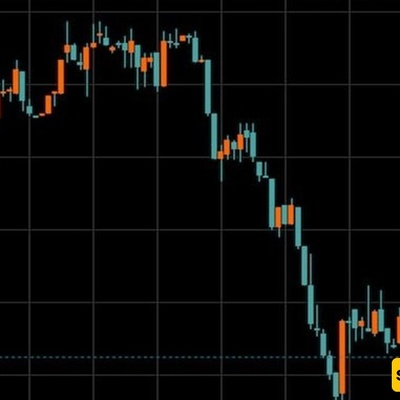
SAEDNEWS: Gold prices fell sharply on Friday, nearing a 14-month low as expectations of further US interest rate hikes boosted the dollar and Treasury yields, putting gold on track for its biggest weekly loss in eight months.
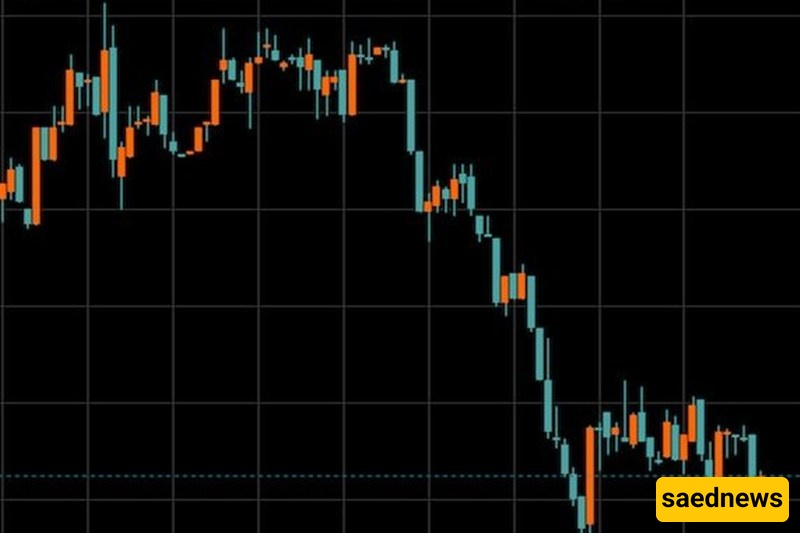
According to Saednews, Gold prices tumbled on Friday, heading for their steepest weekly decline in eight months, as growing expectations of another US Federal Reserve interest rate hike boosted the dollar and pushed Treasury yields higher.
Spot gold fell 2.7% to $3,525.25 per ounce after touching $3,513.54, its lowest level since September 2025.
The precious metal has lost approximately 9.2% this week, marking its sharpest weekly decline since March. Meanwhile, US gold futures for December delivery dropped 2.9% to $3,577.60.
The latest sell-off comes amid rising expectations that the Federal Reserve will increase borrowing costs again in December, putting further pressure on gold as investors shift toward dollar-denominated assets offering higher returns.
Philadelphia Fed President Anna Paulson joined other US policymakers in warning about inflationary risks that could warrant another interest rate increase.
According to CME's FedWatch tool, markets are pricing in a 99.3% probability of a 25-basis-point rate hike in December.
Pressure on gold has intensified as investors sell assets to raise cash and meet margin calls following a broader decline in global equity markets, particularly technology stocks associated with artificial intelligence.
"The aggressive sell-off across global equities, notably the crowded AI trade, has forced investors to reduce leverage, meet margin calls and raise cash," said Chris Weston, Head of Research at Pepperstone.
"Gold has become a source of liquidity rather than a destination for safety."
Meanwhile, physical gold demand in India and China has strengthened as lower prices attracted bargain hunters. Chinese investors, in particular, have viewed the correction as a buying opportunity.
Investors Prepare for Further Gold Price Declines
Market analysts warn that gold could face further losses as trend-following funds increase their short positions and investors continue to reduce their exposure to the precious metal.
The sell-off has also undermined gold's traditional safe-haven appeal, as the US dollar attracts defensive demand and rising Treasury yields make non-yielding gold less attractive.
Despite escalating geopolitical tensions and the US-led war against Iran, gold has failed to sustain its earlier gains.
Options markets are also signalling a more bearish outlook, with premiums on call options declining relative to put options, which investors use to hedge against falling prices.
Vijay Valecha, Chief Investment Officer at Century Financial, said several bearish factors were reinforcing one another, including the stronger dollar and the liquidation of AI-related equity positions.
Gold's $3,500 Support Level in Focus
With gold trading near $3,525 per ounce, investors are closely watching the psychologically significant $3,500 level.
A sustained break below this threshold could trigger further declines toward $3,400 and $3,300. Frank Walbaum, a market analyst at Naga.com, warned that prices could eventually slide toward $3,200.
On the upside, gold would first need to reclaim $3,600 before potentially advancing toward $3,700.
Previous support in the $3,800–$3,850 range could now turn into a resistance zone.
Analysts believe a sustained recovery would depend on a weaker US dollar, stabilising real Treasury yields and an end to forced liquidations.
Upcoming US economic data next week could determine whether the latest sell-off gathers further momentum or gold manages to establish a temporary price floor.