SAEDNEWS: Reports from American and Israeli sources say Donald Trump has become increasingly frustrated with the prolonged war and negotiations with Iran, while disagreements with Benjamin Netanyahu have also widened.
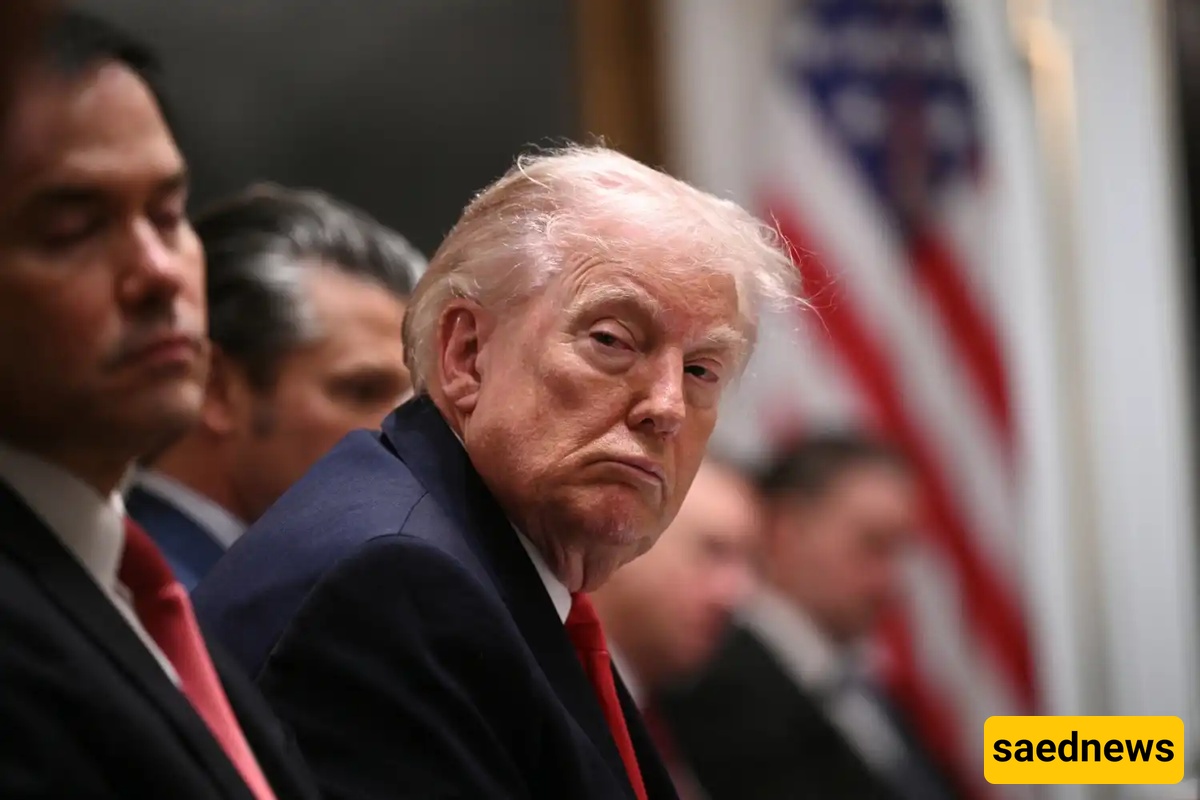
According to SaedNews: Barak Ravid, a Washington-based correspondent for Israel’s Channel 12 who maintains a close relationship with Donald Trump, said citing informed American sources that some of Trump’s closest advisers initially believed he would support Benjamin Netanyahu in Israel’s election scheduled for October 27. At the time, however, polls indicated that Netanyahu was heading toward a major defeat after nearly two decades in power.
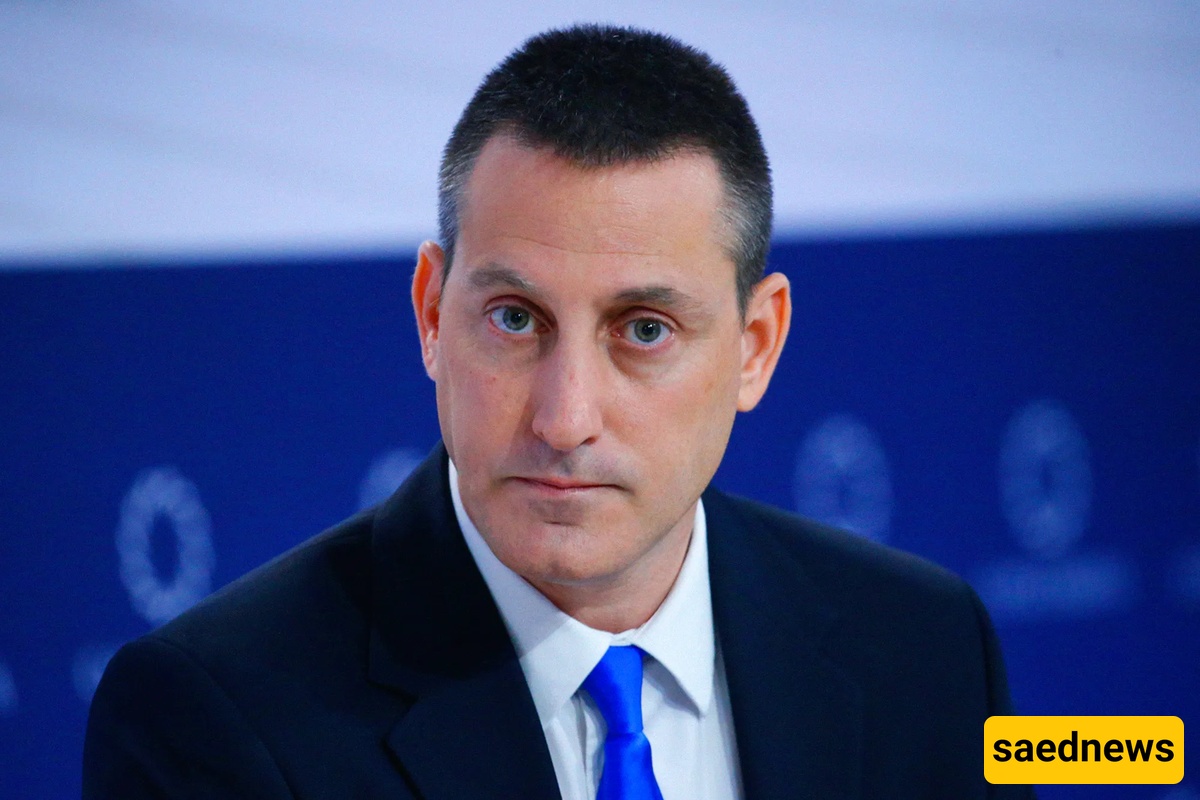
Ravid said Trump had strongly pushed for Netanyahu to receive a pardon and for his six-year criminal trial to end. But as the war became more complicated, the foreign-policy and domestic political interests of Trump and Netanyahu increasingly diverged. Over the past three months, their disagreements have expanded beyond Iran to Lebanon and Gaza.
Two senior US officials told Channel 12 that Trump personally admires Netanyahu but has become disappointed with his decisions and policies, saying that Trump has described the Israeli prime minister as his own worst enemy.
Meanwhile, The New York Times, in a report by David Sanger titled “The Complications of Trump’s Talks With Iran,” said Trump had complained that the negotiations had become boring. Asked about the possibility of the talks failing, Trump said he did not care if they ended and went so far as to say that if they stopped, he “wouldn’t care at all.” Yet on nearly the same day, he posted that negotiations with Iran were progressing rapidly, highlighting a contradiction in his public statements.
The report said Trump’s remarks reflected more than a passing comment and suggested that he was gradually realizing that the war and negotiations were not producing the quick outcome he had promised. Al-Rai Al-Youm, citing American sources, reported that the conflict had lasted far longer than Trump expected. Although he had spoken of ending it within weeks, the costly war of attrition entered its sixth month by the end of July.
Trump wanted a rapid agreement with Iran, but Tehran maintained its principles, rejected his demands and halted negotiations at several stages.
The prolonged conflict has also produced effects inside the United States. Fuel prices have risen sharply, while Republican figures approaching the election are concerned about losing support among voters. American and Israeli analysts say Trump now faces the central question of how to end the war without appearing to retreat before Iran, turning the issue into a major political problem.
Observers argue that Trump’s Iran policy has often been driven by emotion and short-term reactions rather than a coherent strategy, shifting repeatedly between military threats, pressure and negotiations.
Reports published in May, citing Trump administration officials and advisers, said the president had become “tired and disappointed” with the war, particularly because Iran refused to meet his demands despite his repeated declarations of victory. Democratic politician James Carville said Trump was deeply exhausted and could not continue under these circumstances for much longer.
The New York Times, in a report by Maggie Haberman and Jonathan Swan, said describing Trump as tired meant that he was politically disappointed by a war that had failed to deliver the results he wanted within his expected timeframe. This was particularly significant because Trump had previously presented himself as someone capable of reaching quick deals and securing victories.
The report concluded that the war with Iran exposed one of Trump’s most prominent weaknesses: when confronted with its political and economic consequences, he was forced to retreat on numerous occasions.