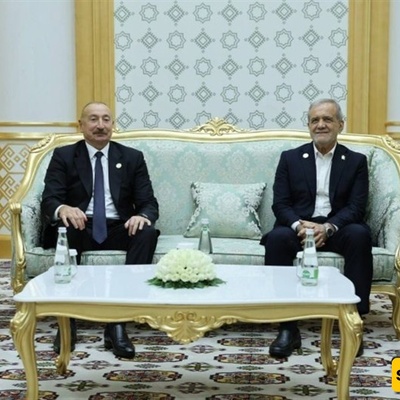
SAEDNEWS: Mohammad Javad Larijani criticized Mohammad Bagher Ghalibaf’s trip to Pakistan and questioned the Pakistani prime minister’s efforts to mediate between Iran and the United States. He argued that diplomacy, rather than direct negotiations, is the better path for addressing bilateral issues.
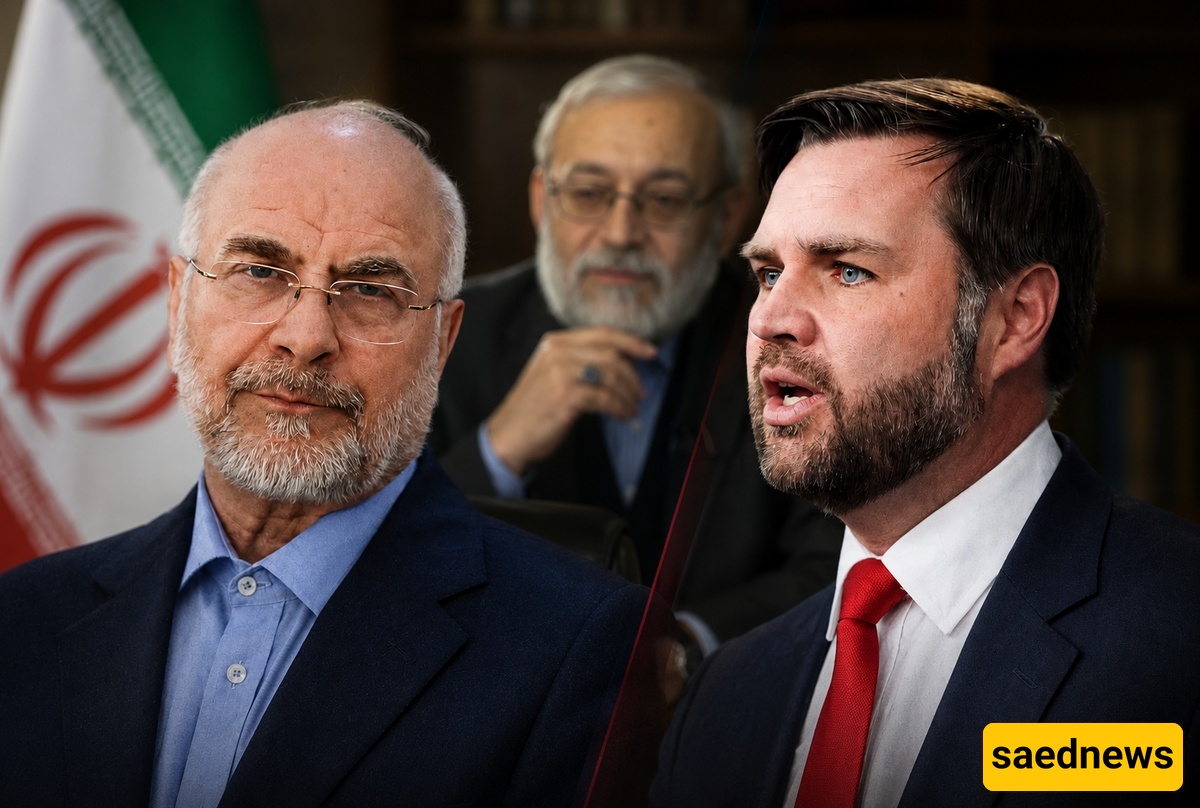
According to the political desk of Saed News Agency, Mohammad Javad Larijani appeared on a live broadcast on Iran's News Network and shared his views on recent diplomatic developments, including Mohammad Bagher Ghalibaf's visit to Pakistan.
Referring to Ghalibaf's dedication to defending the country, Larijani stated that while he is prepared to make sacrifices for Iran, policymakers must avoid strategic miscalculations in foreign affairs. He argued that the presence of the U.S. Vice President in Pakistan had little practical impact and noted that despite the costs incurred, the discussions were expected to lead to the release of Iranian funds and the establishment of a ceasefire in Lebanon. However, he emphasized that the core issue goes beyond financial matters and that Iran should not lower the level of its demands.
In another part of his remarks, Larijani criticized Pakistan's approach toward Iran and the United States. While acknowledging the Pakistani Prime Minister's goodwill, he described his mediation method as ineffective. According to Larijani, a genuine mediator should not merely bring both sides to the negotiating table but should also make it clear to Washington that its current course is misguided.
Larijani further argued that the United States is currently facing significant challenges in the region and is eager to bring ongoing conflicts to an end. Under such circumstances, he said, displaying an eagerness for negotiations and sending messages focused on a win-win agreement could encourage the opposing side to believe that additional pressure would result in greater concessions from Iran.
Recent comments by Mohammad Javad Larijani highlight a significant difference of opinion within Iran's political establishment regarding the management of regional crises and relations with Western countries. His criticism of the Speaker of Parliament's visit to Pakistan, particularly at a time of heightened regional tensions, suggests that some policymakers believe traditional diplomacy and reliance on longstanding intermediaries are no longer sufficient to address current challenges.
From this perspective, diplomatic gestures that appear conciliatory or overly enthusiastic about dialogue may produce the opposite of their intended effect. Supporters of this view argue that such approaches are unlikely to yield tangible outcomes, such as the release of financial assets or an end to hostilities in Lebanon.
For the public, which experiences the economic and security consequences of these decisions in everyday life, understanding this viewpoint is important. The analysis suggests that the difficulties surrounding indirect negotiations are not solely the result of Western demands; the conduct of mediators and the signals sent by domestic actors also play a critical role.
According to this line of thinking, if the United States is facing strategic difficulties in the region, Iran should negotiate from a position of strength. Any rush to achieve a quick agreement, they argue, could weaken the country's bargaining position rather than reduce external pressures, ultimately prolonging the path toward lasting economic and political stability.