Saed News: Will the fire and conflict that has been ongoing for more than two months between Iran, the United States, and Israel finally lead to an agreement and peace?
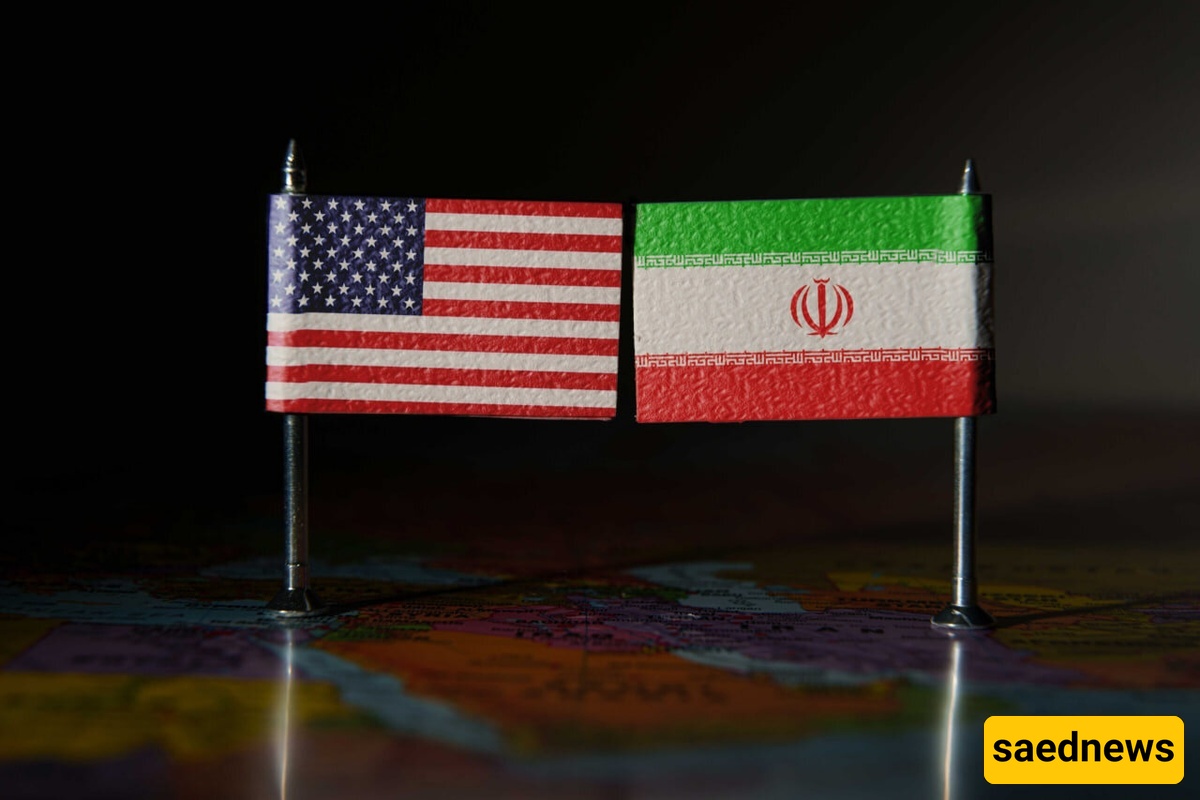
According to SAEDNEWS, quoting Jahan Sanat newspaper, the United States and Iran—after two months of exhausting and inconclusive conflict—now appear to have reached a point where a “temporary agreement” could prevent further costly strikes. New signs from various diplomatic channels, including Axios reports and informed sources, indicate that the two sides have at least reached the level of discussion on a 14-point understanding draft; however, key differences remain unresolved, and no one expects such a complex file to be closed within a few days.
Based on what has been leaked so far, the main focus of the proposed agreement is the reopening of the Strait of Hormuz and limiting the scale of the conflict—essentially the point that has created the greatest economic and political pressure on both sides. The United States expected Iran’s response within 48 hours, a deadline accompanied by a direct threat from Trump: if Tehran does not agree, attacks will resume with greater intensity.
At the same time, Pakistan is acting as a mediator, and several different versions of the draft agreement are circulating—showing that the final deal is not yet fixed. However, all versions revolve around sensitive issues such as halting uranium enrichment, restricting underground activities, and inspection mechanisms.
On the nuclear issue, the main disagreement is that Iran has proposed a five-year suspension of enrichment, while the United States is demanding a 20-year halt, with a clause allowing automatic extension if commitments are violated. From Washington’s perspective, the agreement must include Iran’s formal commitment not to pursue nuclear weapons, as well as a ban on underground facilities. In addition, nuclear sites must accept surprise inspections by the United Nations.
In return, during the 30-day negotiation period, discussions include the gradual release of frozen assets and phased reduction of sanctions—limited incentives that Washington has cautiously placed on the table.
These developments come as the United States and some of its allies have submitted a draft resolution to the United Nations that would open the door to new sanctions if Iranian attacks on ships continue. U.S. Secretary of State Marco Rubio has also acknowledged that reaching an agreement “in one day” is not possible, but emphasized the need for a diplomatic framework to clarify Iran’s initial commitments.
At the same time, Trump has halted the “Freedom Project,” which was designed to protect shipping in the Strait of Hormuz, describing it as a sign of progress in negotiations—although he still considers direct talks with Iran premature. Altogether, these signals suggest that a deal may be in the air, but not without difficult and costly negotiations.