Saed News: Recent studies show that approximately 55% of women experience hair loss at some point in their lives, while about 39% of women may notice signs of hair thinning before the age of 35.
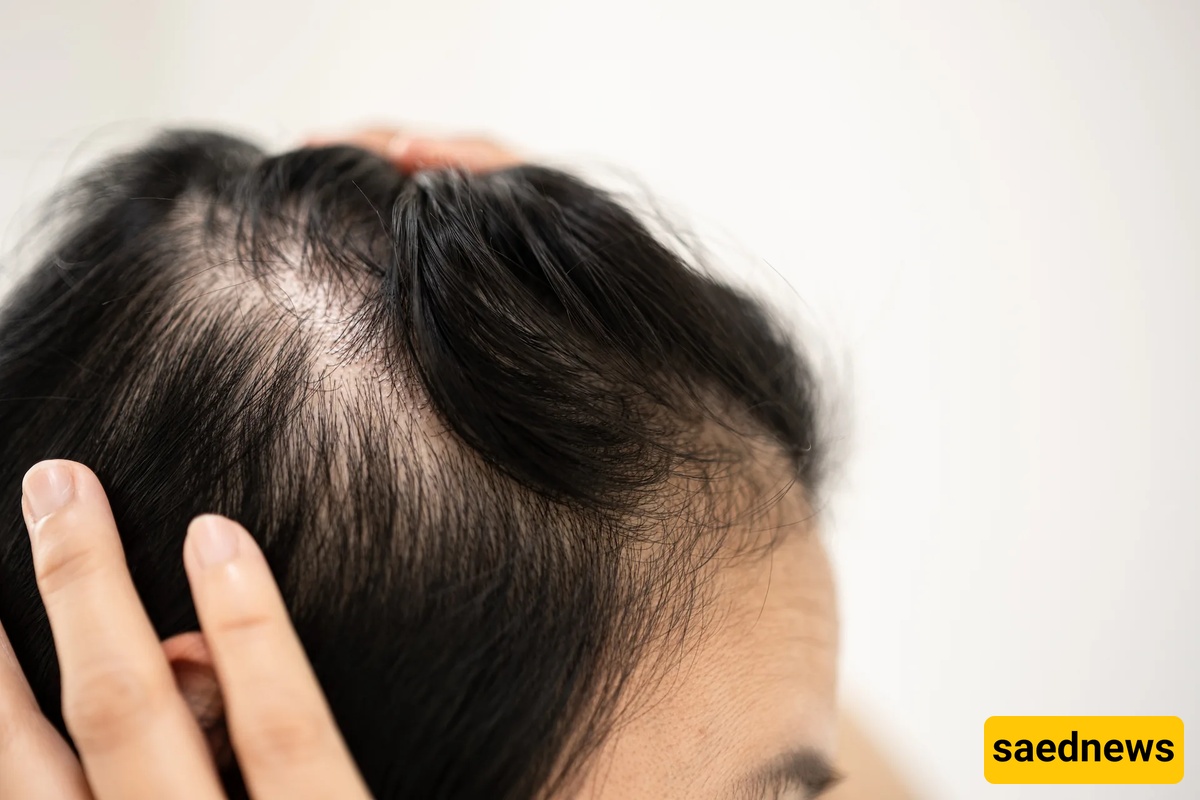
According to SAEDNEWS, millions of women around the world face the problem of hair loss, which often begins with alarming everyday signs.
While hair loss is usually associated with aging or genetics, hair specialists are warning about its increasing prevalence among younger women and emphasize that some daily habits can worsen the problem without them even realizing it.
Recent studies show that approximately 55% of women experience hair loss at some point in their lives, while about 39% of women may notice signs of hair thinning before the age of 35.
Hair specialist Hannah Gabordi in England says the issue is not only related to genetics, but also to factors related to hair and scalp care, such as washing, drying, and styling methods, as well as diet and hormonal changes.
According to Gabordi, many women reduce how often they wash their hair due to fear of hair loss in the shower, but this behavior can have the opposite effect.
She explains that regular scalp cleansing helps remove oil, sweat, and dead skin cells, creating a healthy environment for hair growth. Neglecting washing leads to the buildup of sebum, bacteria, and fungi, which can cause inflammation and negatively affect hair growth.
The hair specialist also rejects claims circulating on social media such as “hair training” or completely avoiding shampoo, emphasizing that the scalp needs regular cleansing two to three times a week.
Regarding sulfate shampoos, she notes that they can cause dryness in some people with sensitive scalps, but contrary to some beliefs, they do not lead to permanent hair loss.
Gabordi confirms that hair is in its weakest state when wet, so the way it is dried plays an important role in reducing breakage and hair loss.
She recommends using a microfiber towel to gently dry hair instead of rubbing it harshly, explaining that excessive friction weakens the hair shaft and increases breakage.
She also believes that properly using a hairdryer is better than leaving hair wet for long periods, because constant moisture makes hair brittle and more prone to damage.
However, she warns against applying direct high heat to hair or scalp, as this can lead to dryness, irritation, and in severe cases even burns.
Therefore, she recommends using heat protection sprays, lowering hairdryer temperature, and avoiding directing heat straight onto the scalp.
The hair specialist notes that tight hairstyles such as ponytails, buns, and tight braids are among the most common causes of hair loss in women.
Repeated pulling on hair follicles can lead to a condition called traction alopecia, where bald patches or thinning appear due to constant pressure on the hair roots.
She also warns about long-term use of glued hair extensions, explaining that they can create continuous pressure on the roots, leading to breakage and hair loss.
She recommends changing hairstyles regularly, using elastic hair ties, and allowing hair to rest, especially when using braids or extensions.
Among the causes Gabordi increasingly observes is hair loss related to rapid weight loss, especially in women using weight-loss medications such as Ozempic.
She explains that the problem is often not the medication itself, but nutritional deficiencies caused by insufficient food intake, particularly iron.
Iron deficiency affects the body’s ability to transport oxygen to the scalp and hair follicles, leading to weakened hair growth and gradual thinning.
Therefore, she recommends blood tests to check iron levels, vitamin D, and thyroid function before using supplements or commercial hair treatments.
Gabordi emphasizes that a balanced diet remains one of the most important factors in maintaining healthy hair and highlights the importance of consuming iron-rich, protein-rich, and healthy-fat foods such as red meat, spinach, salmon, and pumpkin seeds.
She also recommends regular trimming and the use of cosmetic treatments designed to protect hair and reduce damage, stressing that proper daily care can significantly reduce hair loss and maintain hair density.