Saed News: Severe and painful abdominal bloating in women with endometriosis is a common yet less recognized problem. This condition, known as “endo belly,” can disrupt daily life, but it can be managed with a few simple and scientific strategies.
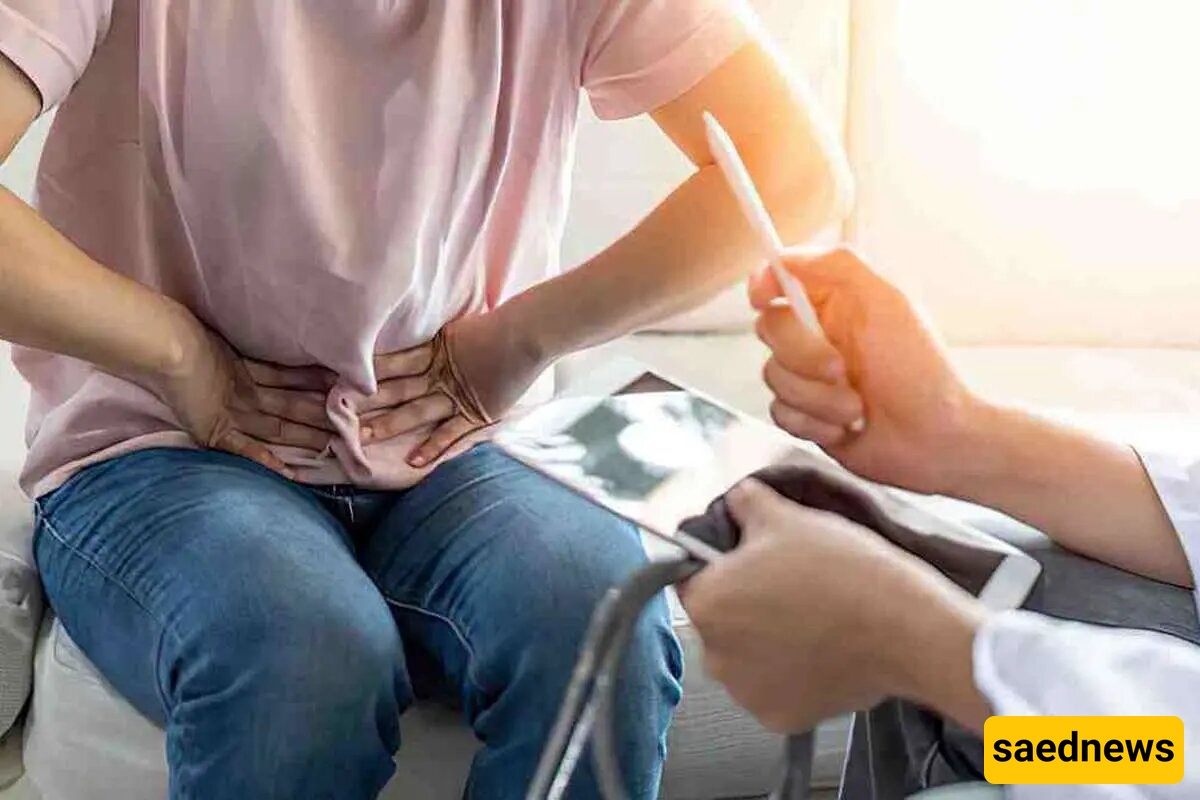
According to SAEDNEWS, endometriosis affects at least 6.5 million women in the United States. In addition to pelvic pain, most of them experience discomfort and distress caused by “endo belly” at certain times. The first step in managing endo belly is understanding and recognizing its symptoms.
According to Salamat News, this condition includes a set of symptoms that usually appear just before and sometimes during menstruation. Common problems include:
Sudden and severe bloating: the abdomen may look swollen or even pregnancy-like
A feeling of pressure in the abdomen or pelvis
Tightness or stiffness in the lower abdomen
A sensation of trapped gas
Painful bowel movements
Clothes becoming uncomfortably tight by midday
Experts sometimes describe these symptoms as similar to irritable bowel syndrome (IBS).
Many women with endo belly also experience a reduced pain threshold caused by stretching of the intestinal wall. This means the intestines become overly sensitive, and normal stretching from gas, food, or bowel movements can cause pain more quickly and intensely than usual. In other words, normal digestion can become painful because the intestinal nerves are in a heightened state of sensitivity.
Dr. Daniel S. Kushner, a neurologist and gynecologic surgeon (MD), develops personalized management plans for endometriosis patients. Some of the most common approaches to relieve painful bloating include:
1. Starting anti-inflammatory hormonal therapy
Endometriosis is primarily an inflammatory disease; therefore, treatment often begins with controlling inflammation. Hormonal therapies such as birth control pills or progestins may be prescribed to reduce inflammation levels, which often leads to reduced abdominal bloating.
2. Using anti-inflammatory and pain-relief medications
While hormonal treatments address inflammation at its source, they may take time to show full effects. Over-the-counter anti-inflammatory drugs such as ibuprofen can quickly reduce bloating and discomfort during flare-ups. Always follow dosage instructions, especially if frequent use is required.
3. Adjusting diet to reduce gas and irritation
Certain foods may worsen bloating, including highly processed foods, carbonated drinks, and high-sugar items. Many women with endo belly feel better by focusing on whole foods, lean proteins, fruits, vegetables, and dietary adjustments. Keeping a food diary can help identify personal triggers.
4. Improving digestion with gentle fiber and hydration
Drinking enough water and consuming moderate amounts of fiber can help prevent constipation and trapped gas. This reduces abdominal pressure and helps relieve endo belly bloating. However, increasing fiber too quickly or excessively may worsen symptoms.
5. Using heat therapy during flare-ups
Applying a heating pad or taking a warm bath can relax tight abdominal and pelvic muscles. Heat also improves blood flow, which may help reduce pain and pressure.