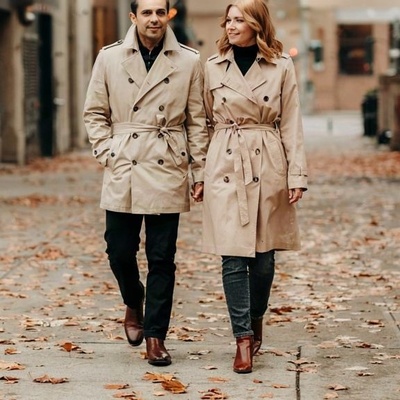
SAEDNEWS: The trench coat is a long, waterproof coat with a classic design, originally created for British Army officers. Today, it has become a versatile fashion staple. In this guide, you’ll explore the history, key features, and essential buying tips for choosing the perfect trench coat for the season.
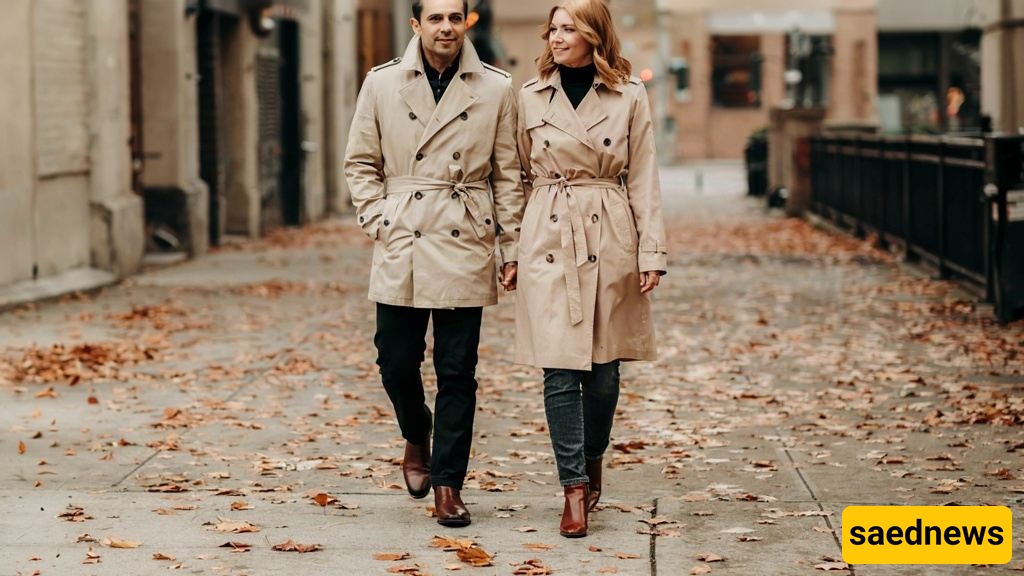
According to Saednews, The trench coat is a timeless and popular outerwear style for both men and women. It has been part of the fashion world for more than 50 years and continues to remain a wardrobe staple. Trench coats are known for their distinctive features and enduring design. They are typically long, although short and mid-length styles are also available.
A trench coat is a long, loose-fitting, water-resistant coat. It usually features a belt, two shoulder straps, and wide lapels. Most traditional trench coats have a double-breasted front with two rows of buttons.
The word trench refers to a military trench. Trench coats were originally developed for British Army officers before World War I. Over time, their practical design made them popular among soldiers during the war.
Trench coats are made from durable, water-resistant fabrics, making them highly practical for everyday wear. They are also versatile and can be easily paired with other wardrobe essentials, from jeans and T-shirts to jackets and sweaters.
The classic trench coat traditionally comes in khaki, although modern designs are available in a wide range of colors and fabrics.
A trench coat perfectly combines practicality and style, making it an ideal transitional outerwear piece for autumn and spring. Trench coats are also among the most popular outerwear trends for autumn 2024, making them a great addition to any wardrobe.
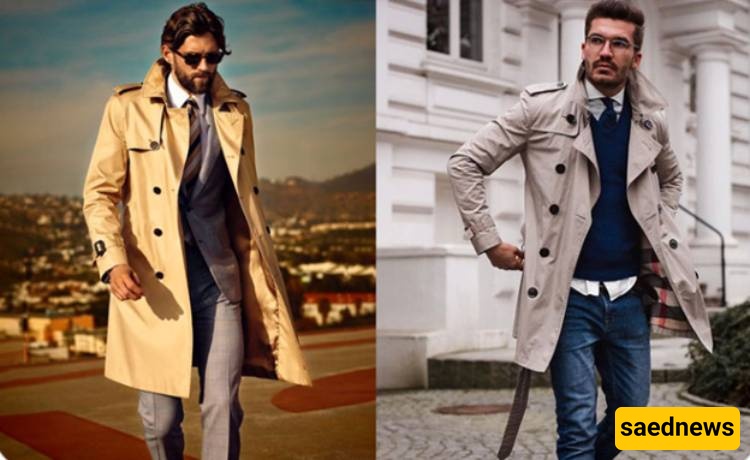
What distinguishes a men's or women's trench coat from an ordinary raincoat?
Traditional trench coats typically fall around mid-thigh, just above the knees, or extend to full length. Today, however, short, mid-length, and long designs are available to suit people of different heights and body types.
A classic trench coat can be recognized by several distinctive features, including:
Double-breasted front: Usually featuring two rows of approximately six to ten buttons.
Wide lapels: Adding structure and a sophisticated appearance.
Storm flap: A protective fabric panel designed to help keep rain away from the body.
Belt with a D-ring buckle: Allowing the waist to be adjusted for a more defined silhouette.
Adjustable cuff straps: Buckled details around the wrists that can be tightened or loosened.
Raglan sleeves: Sleeves that extend from the neckline to the underarm, allowing greater freedom of movement.
Back vent: A slit at the back or lower part of the coat that makes walking and moving more comfortable.
A classic trench coat usually features a double-breasted design. This gives the coat an elongated, elegant silhouette while making it practical to wear. The overlapping front panels also provide an additional layer of protection against the cold.
Trench coats typically include a back vent to facilitate movement. Raglan sleeves are designed as a continuous piece of fabric extending from the neckline toward the underarm, rather than being attached at a traditional shoulder seam.
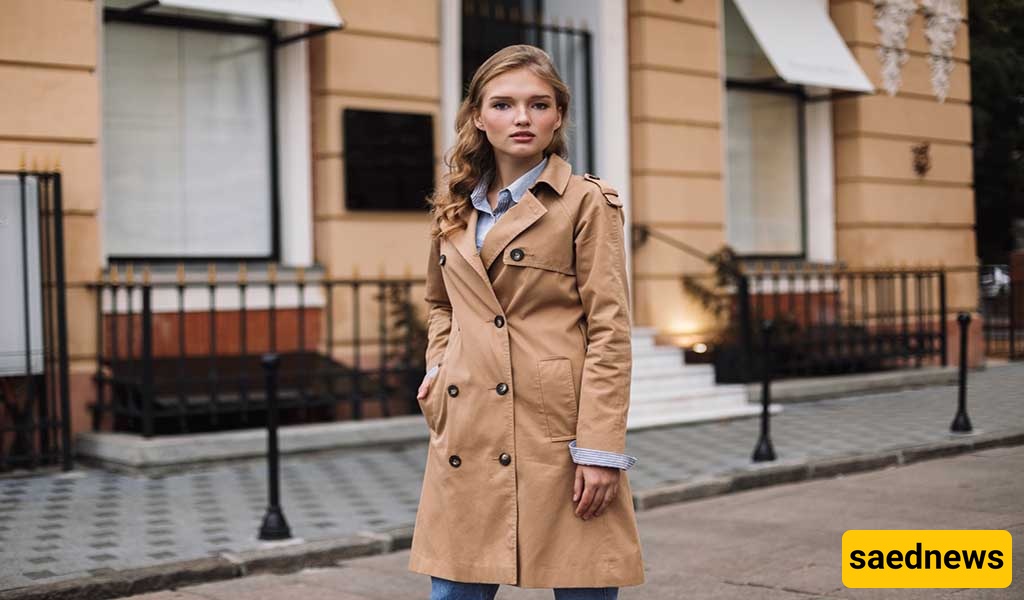
The trench coat's design makes it suitable for both military use and everyday life. Its practical length, adjustable belt, and functional details have made it an appealing wardrobe essential for both men and women.
Trench coats are also closely associated with classic Hollywood films, where they became an iconic symbol of timeless style and sophistication.
Whether paired with casual clothing or more formal outfits, a trench coat offers a combination of versatility, functionality, and elegance that continues to make it a fashion favorite.