SAEDNEWS: Ceiling plasterwork is a key decorative feature in interior design. The right choice should match the space’s style, budget, and installation method. Knowing the available styles and cost factors helps ensure a lasting, well-suited result.
According to Saednews, Choosing a ceiling plasterwork design is a decision you will live with for years, much like selecting kitchen cabinets or flooring. The craftsmanship involved in hand-applied plasterwork makes it more expensive than many other ceiling decorations. For this reason, it is worth understanding the key selection factors and the different plasterwork styles before making a decision. This knowledge can help you find the option that best suits your space, personal taste, and budget.
Choosing the right ceiling plasterwork design can be challenging, and mistakes are quite common. The most suitable design depends on several factors, including the size of the room, ceiling height, overall interior style, budget, project timeline, and, most importantly, the purpose of the space.
One of the most important factors when selecting a ceiling plasterwork design is the height and size of the space. The higher the ceiling and the larger the room, the more suitable it becomes for elaborate and highly detailed designs. Classic plasterwork can create a stronger sense of grandeur and elegance in spacious interiors.
For smaller rooms or spaces with lower ceilings, neoclassical designs are generally more appropriate. Their simpler and less intricate appearance can enhance the room without making it feel visually crowded.
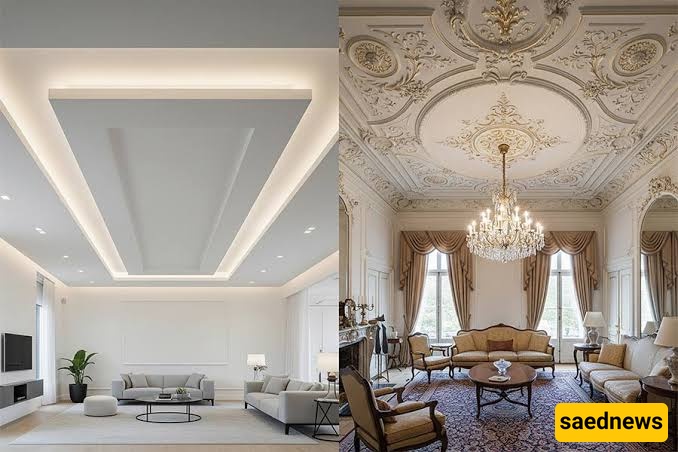
Anyone considering changes to the architecture or ceiling plasterwork of their home should also take the overall interior design into account. Choosing a plasterwork style that complements the existing décor can significantly enhance the beauty and visual harmony of the space.
The function of a room can also influence the level of detail used in its ceiling plasterwork. Ideally, the overall plasterwork style should remain consistent throughout the home, while the density and complexity of the design can vary from one room to another.
For example, ceiling plasterwork in a living or formal reception area is typically more sophisticated and detailed, whereas bedrooms and other private spaces often benefit from simpler designs that create a more comfortable and intimate atmosphere.
The available budget and the amount of time allocated to the project play an important role in choosing a ceiling plasterwork design. Because classic designs are often more intricate, they generally require more time and come with higher installation costs.
Neoclassical designs can be a more practical choice when the budget or project schedule is limited. However, since the final cost also depends on the complexity and amount of detail involved, it is advisable to request a professional estimate before making a final decision.
Now that the main factors involved in selecting ceiling plasterwork are clear, it is useful to explore the most popular styles. Understanding their characteristics can make it easier to choose a design that matches your preferences and the character of your home.
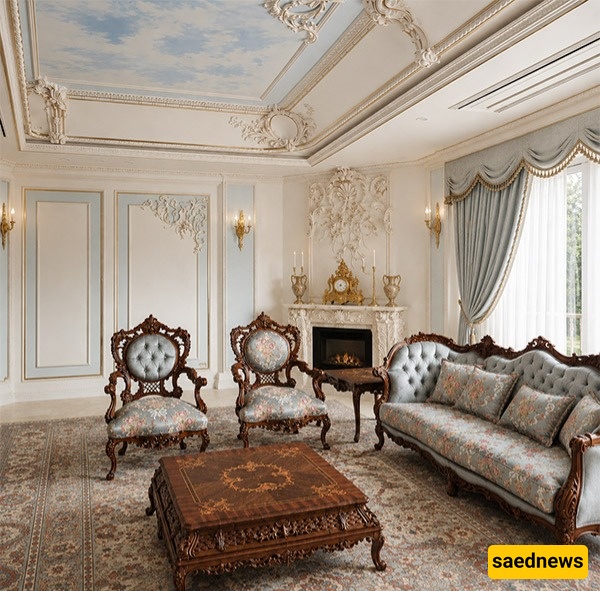
Classic ceiling plasterwork is characterized by elegant, refined, and highly detailed designs that immediately attract attention. The style draws inspiration from European Baroque architecture and often incorporates decorative elements such as small angels, ornamental motifs, and decorative urns.
The high density of decorative details gives formal reception areas a sense of grandeur and sophistication, making this style particularly popular for impressive and elegant interiors.

Traditional ceiling plasterwork has deep roots in Iranian art and architecture and can give an interior a distinctive cultural character. Common motifs include Eslimi patterns, Boteh Jegheh designs, and spring flowers.
These motifs are typically executed with considerable precision and detail, making traditional plasterwork especially appealing to those who value cultural heritage, craftsmanship, and authenticity.
As its name suggests, neoclassical plasterwork combines refined elements of classic design with more modern forms and cleaner lines. It is less elaborate than traditional classical plasterwork and creates a balance between elegance and simplicity.
This makes neoclassical plasterwork a suitable choice for homeowners who appreciate classic aesthetics but also want their interiors to feel contemporary and uncluttered.
Unlike classic and traditional styles, modern ceiling plasterwork focuses on clean lines and structured geometric shapes rather than intricate decorative motifs.
Straight lines, squares, and layered rectangles are commonly used and can be combined with concealed lighting, such as indirect LED lighting, to create a sense of depth and dimension.
This style works particularly well with contemporary interiors. Because it generally involves fewer decorative details, it can also require less time and cost less to install. However, it is typically less common in highly formal spaces such as reception rooms.
Contemporary ceiling plasterwork is increasingly focused on simplicity, balanced proportions, geometric forms, and the integration of indirect lighting. These approaches can give ceilings a sophisticated appearance without overwhelming the rest of the interior design.
Certain mistakes are sometimes made unintentionally during the selection process and can ultimately lead to dissatisfaction with the finished result. The most common include:
Choosing a design without professional advice: Selecting a design solely from images found on social media, without consulting an experienced professional, can create a gap between expectations and the actual result.
Using overly elaborate designs on low ceilings: Highly detailed patterns can make a low ceiling feel visually heavy and cause the room to appear smaller and more confined.
Mixing incompatible styles throughout the home: Using completely different plasterwork styles in different rooms can create a lack of visual continuity and make the overall interior feel disorganized.
Understanding the factors that influence ceiling plasterwork selection, as well as the characteristics of different styles, gives you a clearer perspective on the options available. By considering your space, personal preferences, and budget, you can make a more informed decision.
Although some styles may appear more appealing than others, the best choice ultimately depends on the specific characteristics of your home. Professional guidance can help you select a design that balances aesthetics, functionality, cost, and architectural proportions.