SAEDNEWS: Christmas traditions can be far stranger than the familiar holiday markets, from Krampus parades and Iceland’s Yule Cat to a burning straw goat in Sweden and an all-radish festival in Oaxaca.
According to SaedNews: Christmas markets may look remarkably similar across Europe, with wooden stalls and familiar mulled wine, but the traditions surrounding them can be far more distinctive. Many are tied to particular dates, and some are surprisingly dark.
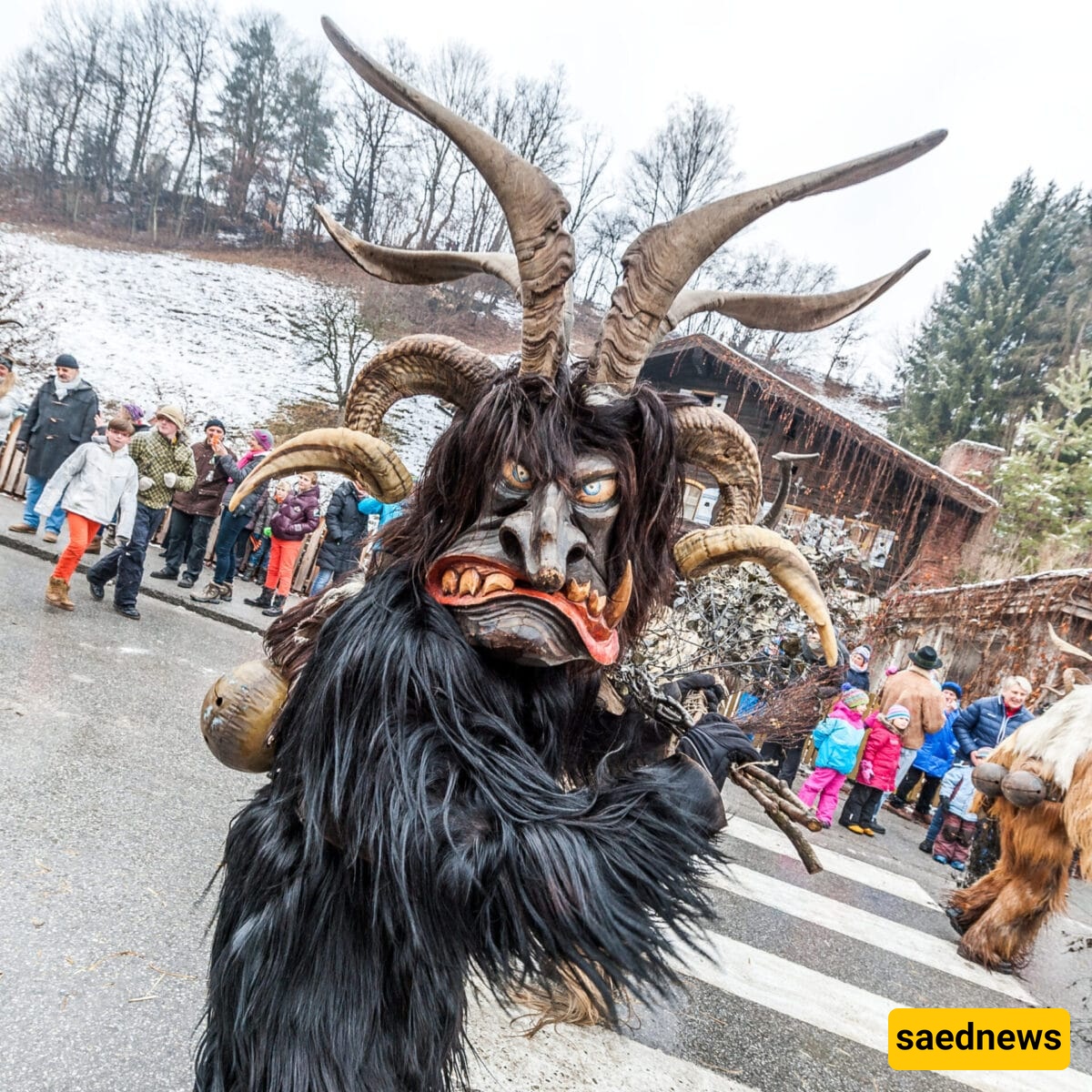
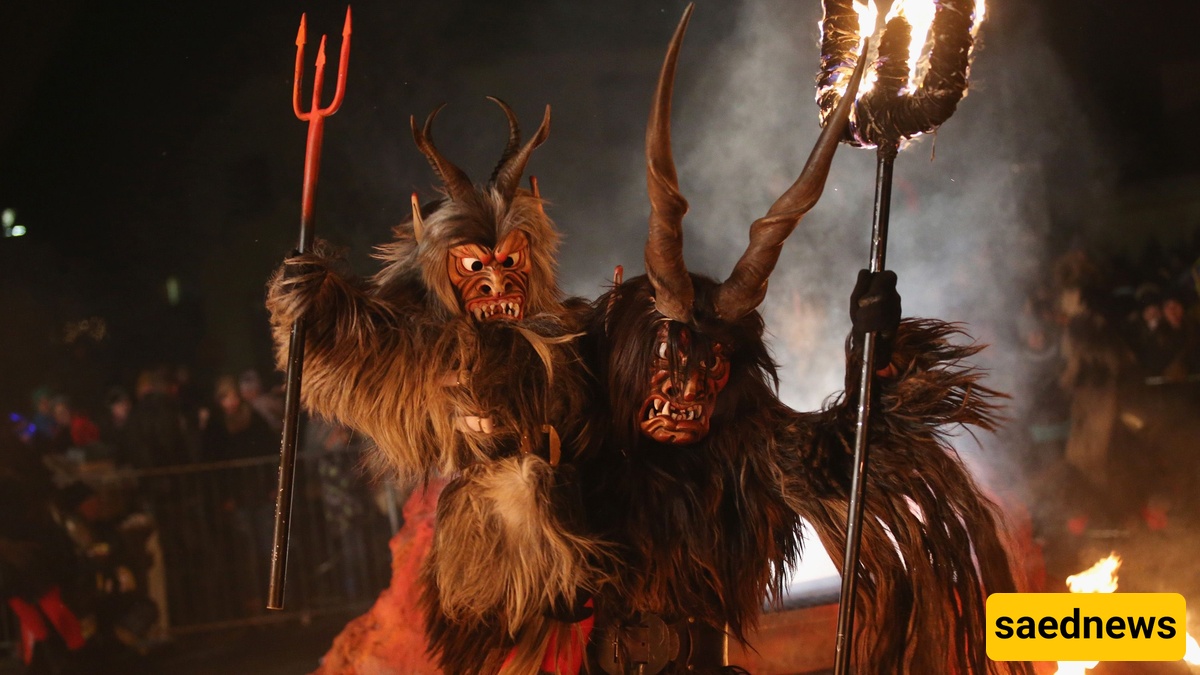
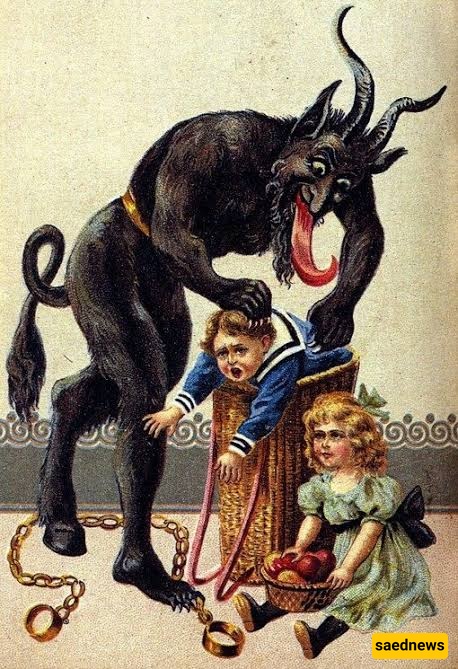
Krampus is the frightening counterpart to Saint Nicholas, dealing with children who land on the wrong side of the holiday ledger. The figure has Alpine origins, while its modern form is linked to 16th-century Counter-Reformation Jesuit plays in Bavaria and Tyrol that placed a devil figure beside St. Nicholas.
Krampus processions take place on December 5 and 6 in Austria, Bavaria and South Tyrol. Participants in elaborate costumes move through town centres, striking spectators with switches.
Milwaukee offers a version outside the Alps. Its annual Krampusnacht takes place around the former Pabst Brewery district, where a traditional drum and bugle corps leads roughly 100 horned figures through the streets.
Another figure often overlooked is Frau Perchta, a Christmas witch associated with Central Europe’s darkest winter nights. Stories describe her either as a woman dressed in white or as a web-footed old woman accompanied by spirits of unbaptised children carrying pitchers filled with their mothers’ tears. She is sometimes described as a female Krampus, although another interpretation identifies her as an older, forgotten goddess.
Poland has its own winter creature, Turoń, a dancing, biting bull-like figure descended from the aurochs that still visits villages during the season.
Iceland’s Christmas folklore includes the Yule Cat, or Jólakötturinn, which is said to roam the countryside on Christmas Eve and eat children who are not wearing at least one new piece of clothing. The creature belongs to the witch-giantess Grýla.
Grýla’s 13 sons are the Yule Lads, who traditionally arrive one at a time during the 13 nights before Christmas. Their names include Sheep Worrier, Spoon Licker and Window Peeper. The headmaster of Iceland’s Elf School argues that the friendly versions familiar today are relatively recent and that the original figures were much more frightening.
The Lads are associated with Dimmuborgir, a landscape of black lava formations and caves near Lake Mývatn in northern Iceland. Created by an eruption roughly 2,300 years ago, the site means “Dark Castles” and has long been connected with hell. A natural rock arch there is known as The Church. The black metal band Dimmu Borgir also took its name from the area.
To encounter the Yule Lads, visit between December 12 and Christmas Eve.
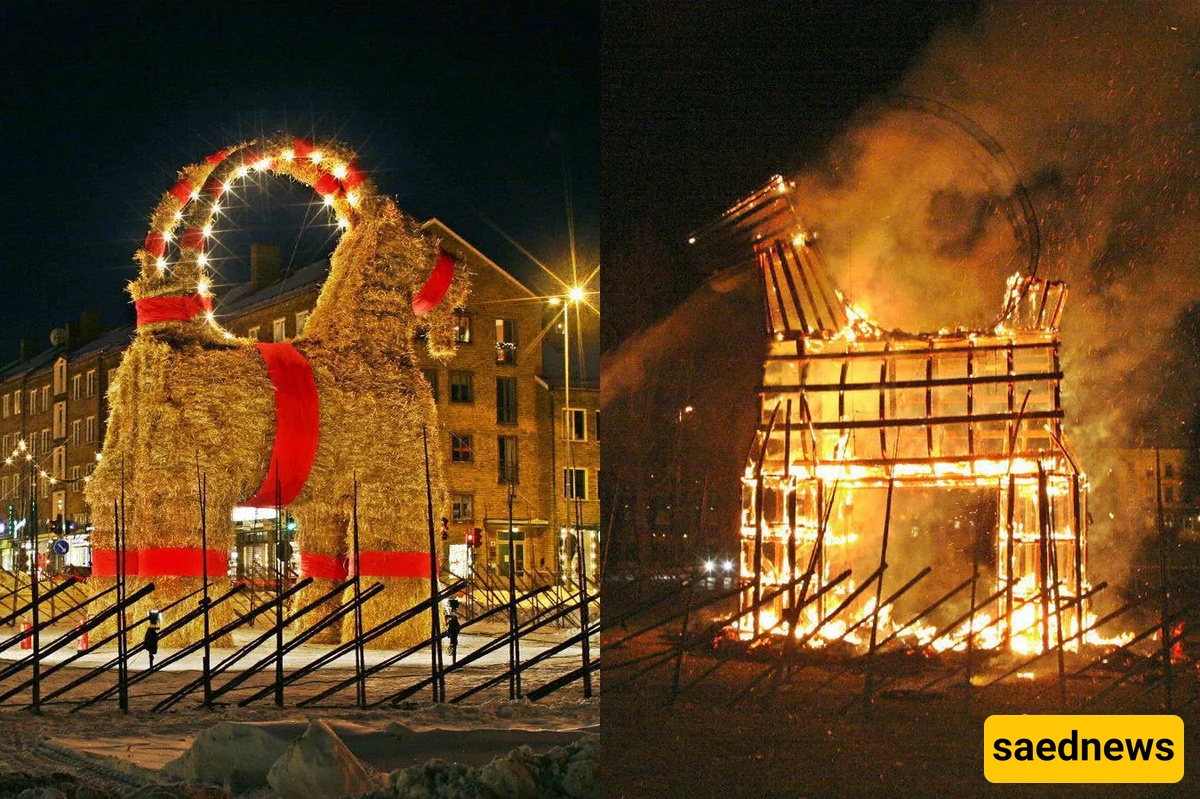
Since 1966, Gävle has erected a 40-foot straw Yule Goat in its main square at the beginning of December. The idea came from an advertising consultant, while his brother, the town’s fire chief, served as chief engineer for the original construction.
The goat was burned at midnight on its first New Year’s Eve, establishing a bizarre tradition that continued for decades. It has repeatedly been destroyed, mostly by arsonists, although attempts have also included a car attack and an effort to steal it by helicopter.
The goat normally stands from the first Sunday of Advent until New Year’s, provided security allows it. Since 2019, special street signs identifying its square have remained in place year-round. A live webcam and social-media accounts allow people to follow its fate.
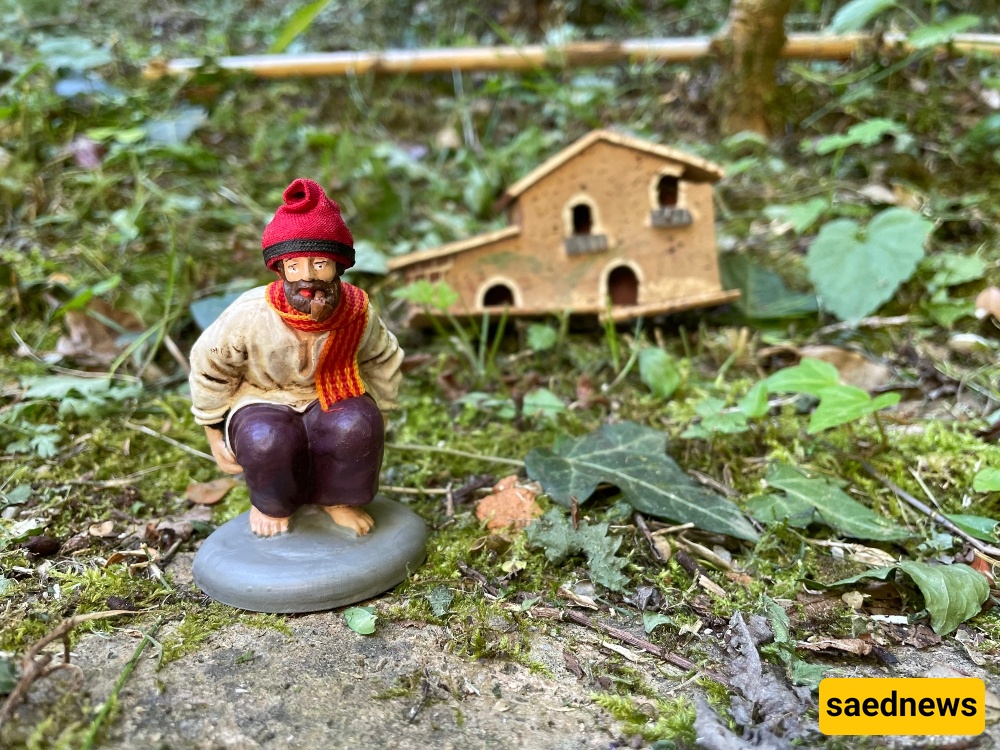
Catalan nativity scenes contain an unexpected character called El Caganer: a small peasant wearing a red cap and positioned away from the manger while defecating.
The figure has appeared in Catalan nativity scenes since at least the 18th century. Interpretations range from fertilising the earth for the coming year to representing the coexistence of the sacred and bodily, while some simply view him as comic relief. Contemporary versions can depict politicians and footballers. Finding him in nativity displays in Barcelona and elsewhere in Spain is itself part of the tradition.
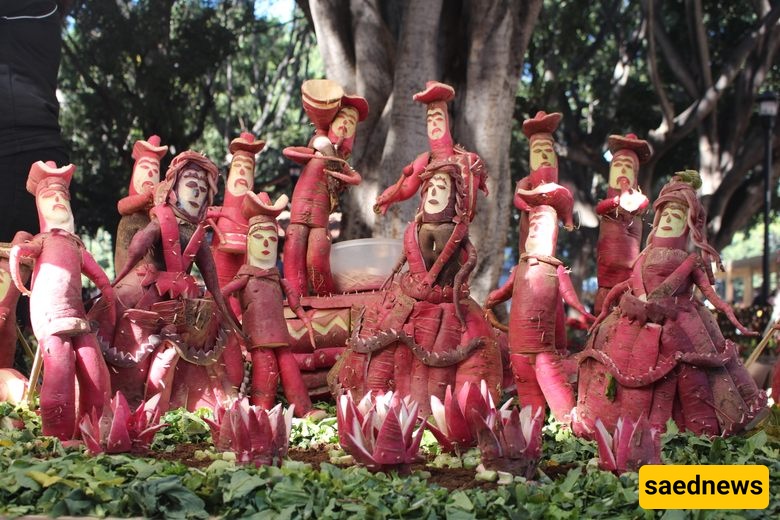
Oaxaca celebrates La Noche de Rábanos, or Night of the Radishes, on December 23. Artists fill the main square with elaborate sculptures carved entirely from radishes, including saints, buildings, musicians, the Pietà and the Last Supper. One particularly memorable display featured a miniature cemetery populated by radish figures celebrating the Day of the Dead.
The radishes can reach 18 inches in length and nearly seven pounds. Oaxaca grows them specifically for the competition so participants have comparable material. The custom began when farmers carved radishes to attract customers at the Christmas market, while the formal competition dates to 1897.
Visitors should arrive in the morning to see the carving and return at night for the completed works. The timing matters because the radishes wilt, leaving only a few hours to see the finished displays.
The United States has developed another unusual approach: keeping Christmas alive throughout the year.
Near Colorado Springs, the North Pole is a Christmas-themed amusement park that opened in 1956 and remains under the same family’s ownership. It operates throughout the summer. Its predecessor, Santa’s Workshop in the Adirondacks, includes a talking tree called Tannenbaum and a functioning post office where visitors can mail letters.
In Leavenworth, Washington, a town with a Bavarian identity, the Nutcracker Museum displays more than 7,000 nutcrackers from more than 50 countries. Its collection includes traditional carved soldiers as well as figures of Garfield, Snoopy, an Egyptian mummy and a cast-iron prototype of Jimmy Carter. The museum’s symbol is Karl, a six-foot Bavarian figure drinking beer.
Seattle’s Nutcracker House preserves remnants of a local Nutcracker production that no longer operates and opens only from late November through December.
For a more melancholy example, there is the uncertain future of Santa’s Village, a California Christmas park from the 1950s that was partly designed by former Disney art directors. Its story illustrates what happens when a permanent Christmas attraction reaches its end.
There are also nine additional places listed by Atlas Obscura where Christmas can be experienced at any time of year, including an Alaskan trading post transformed into a Santa house after a child asked whether Santa was building a new home, a marker claiming the location of the first public Christmas tree, and an Arctic Circle post office said to have received around 17 million letters addressed to Santa.
And if the traditional Christmas market is still what you want, go. They are charming. But choose the destination for what else it offers, and put the unusual tradition on the calendar first: a market can run for six weeks, while a Krampus procession may last only one night.