SAEDNEWS: Israel’s much-publicized Iron Beam laser interceptor is facing renewed scrutiny after an Israeli report said the system was not activated during rocket and drone attacks from Lebanon. Officials and defense figures cited in the report now suggest that full operational readiness could still be several years away.
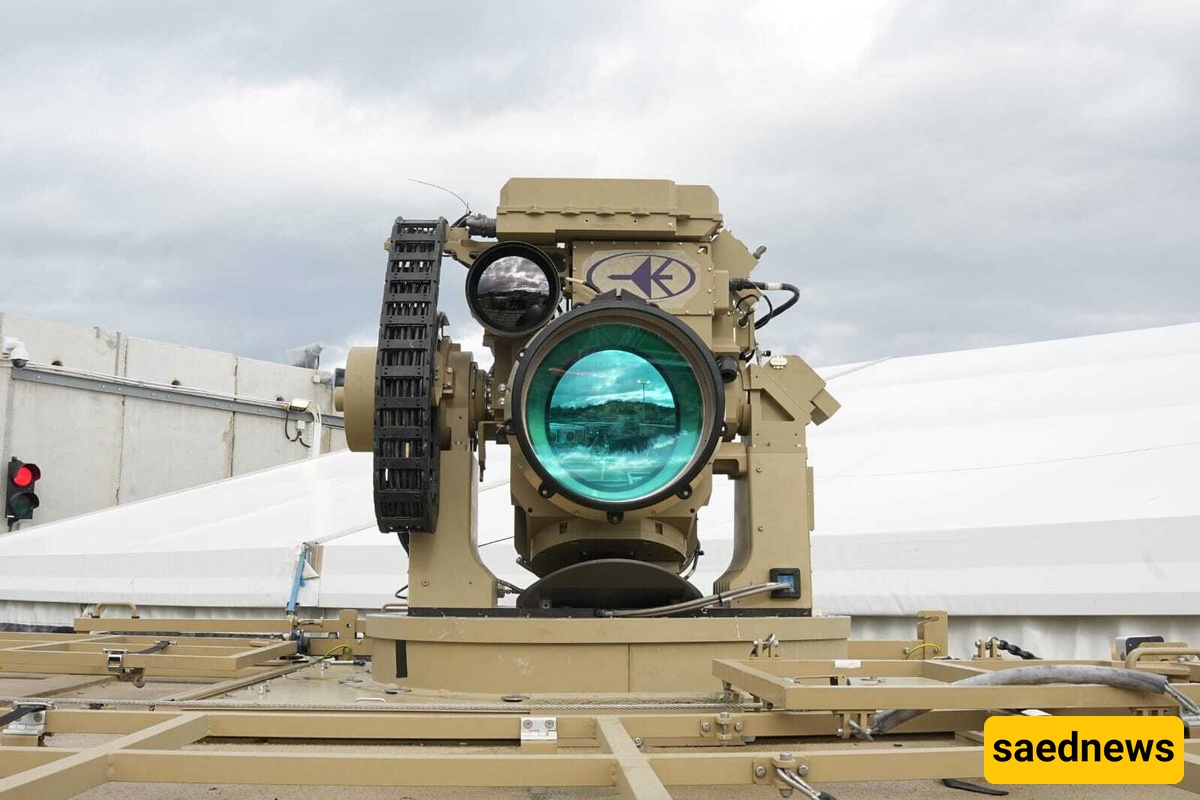
According to SaedNews: Israel’s much-publicized Iron Beam laser defense system was presented as a technological breakthrough capable of transforming the economics of missile and drone interception. But a report by the Hebrew-language newspaper Calcalist has raised a much more uncomfortable question: if the system was already being presented as the beginning of a new laser era, why was it not activated during the recent fighting in Lebanon?
The report stops short of describing Iron Beam as a complete failure. Instead, it paints a picture of a system that has not yet reached the level of operational readiness suggested by the publicity surrounding it.
More than eight months after Rafael delivered the Iron Beam interceptor, Calcalist reported that Israel still appears to be some distance from deploying the technology at full capacity. The system is designed around a powerful laser intended to destroy incoming rockets and other aerial threats at a potentially much lower interception cost than conventional missile-based defenses.
That promise has been one of the most attractive aspects of Iron Beam. Yet the Israeli newspaper argues that declarations about Israel entering the “age of laser weapons” may have been premature.
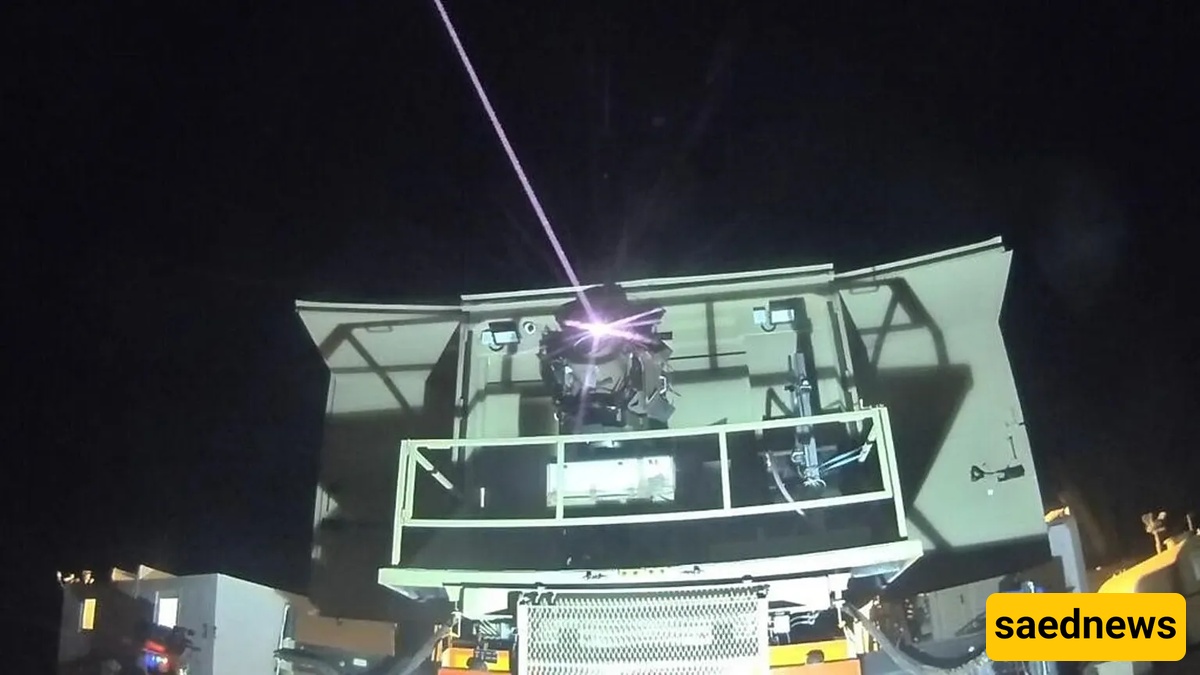
The most striking detail concerns the system’s performance during the recent conflict in Lebanon. According to Calcalist, Hezbollah launched repeated barrages of rockets and drones toward northern Israeli communities and Israeli military forces, but Iron Beam was not activated.
Rafael’s explanation was that the air-defense system had not yet completed the process required for operational deployment. The company maintained that it had fulfilled its commitment by delivering the system, while the remaining steps toward full operationalization were still underway.
That explanation has not ended the questions.
An unnamed senior figure in Israel’s defense industry, described by Calcalist as familiar with the development process, estimated that the new system may require another three or four years before reaching full operational capability.
The same official claimed that several systems are currently being produced and that additional units would be delivered to the Israeli military by the end of the year. However, according to the report, the official did not provide supporting figures when journalists asked for documented statistics.
The newspaper also noted that similar statements had reportedly been made by the same official about a year earlier, adding another layer to the debate over how quickly Iron Beam is actually progressing.
A senior Rafael official offered a different comparison in defense of the lengthy process. The official pointed to Israel’s F-35 fighter program, arguing that bringing such an advanced system into operational service was not instantaneous and required an extended preparation period.
The debate, however, is not limited to the question of when Iron Beam will become operational. The economic claims surrounding the laser system are also being challenged.
One of the most famous selling points associated with laser interception has been the suggestion that destroying an incoming threat could cost only a few dollars, sometimes described in highly simplified terms as being comparable to the price of a can of soft drink.
Brig. Gen. (res.) Ran Kochav, a former commander of Israel’s air-defense system, questioned that portrayal in comments to Calcalist.
Kochav argued that such a figure ignores the enormous expenses involved in research and development, engineering, testing, infrastructure and manufacturing. He said the military establishment has invested and is expected to continue investing tens of millions of dollars in individual systems, laboratories, prototypes and underlying technologies.
Once those long-term investments are considered alongside the number of successful interceptions, he argued, reaching a figure as low as $5 per interception becomes extremely difficult.
His broader argument was that public expectations should be adjusted and that the emphasis should be placed on actual interception performance rather than striking promotional figures.
That issue matters because Iron Beam has been promoted as a potential answer to one of the most expensive problems facing modern air defense. Conventional interceptors can cost vastly more than some of the rockets or drones they are designed to destroy. A laser system, at least in theory, could dramatically reduce the marginal cost of each engagement.
But the economics only become compelling if the technology is consistently available, reliable and operational.
Iron Beam’s public image has also been shaped by highly publicized ceremonies and ambitious statements. According to the report, Rafael delivered only one “Or Eitan” system to the Israeli military before a major ceremony held at one of the company’s northern facilities at the end of 2025. Senior Israeli military and defense officials attended the event, where the system’s technological capabilities were prominently highlighted.
The gap between such expectations and the current state of deployment is now at the heart of the controversy.
The report also places Iron Beam in the wider context of Israel’s efforts to strengthen its air defenses following attacks involving missiles, rockets and drones. The source content argues that previous interception systems have faced significant challenges and that the high cost of intercepting relatively inexpensive aerial threats has increased pressure for alternative technologies.
Iron Beam was supposed to be part of that answer.
For now, however, the picture presented by the Israeli report is more complicated. The system exists, production is reportedly continuing, and Israeli officials say additional units are expected. But its absence from the Lebanon conflict, combined with estimates that full operational readiness may still be several years away, has clearly revived questions over the distance between technological promise and battlefield reality.
The central issue may therefore be less about whether laser weapons can eventually work and more about when they can be deployed reliably at the scale required. Until that question is answered through operational performance, Iron Beam’s biggest test may still lie ahead.
For observers of modern warfare, the debate is likely to continue: is the laser revolution already underway, or is it still waiting for its real battlefield debut?