SAEDNEWS: Kamchatka in Russia’s Far East is an untouched land of more than 300 volcanoes, renowned geysers, fish-filled lakes, and extraordinary wildlife. In this guide, discover the region’s top attractions, the best time to visit, and essential travel tips for exploring this remarkable land of fire and ice.
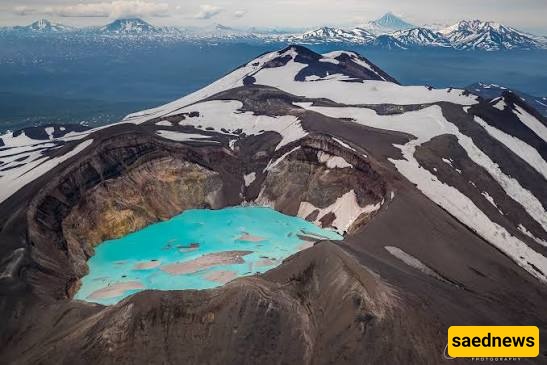
According to Saednews, Imagine stepping into a land where the earth still feels alive; a place where mountains release smoke, hot springs bubble from beneath the ground, brown bears fish along rushing rivers, and the sky remains surprisingly bright around midnight in summer. This is not an imaginary landscape. This is Kamchatka.
The Kamchatka Peninsula in Russia’s Far East is considered one of the most pristine and extraordinary natural regions on Earth. Covering nearly 370,000 square kilometers, the peninsula is home to more than 300 volcanoes, around 29 of which remain active. Because of its exceptional volcanic landscapes, a large part of the region has been recognized by UNESCO as the “Volcanoes of Kamchatka” World Heritage Site.
Kamchatka is a peninsula in eastern Russia, bordered by the Sea of Okhotsk to the west, the Pacific Ocean to the east, and mainland Siberia to the north. It is one of the least densely populated regions of Russia. Across an area comparable in size to countries such as Germany or Japan, only around 300,000 people live, with more than half residing in the city of Petropavlovsk-Kamchatsky.
Kamchatka’s unique character comes from its remarkable combination of volcanoes, glaciers, birch forests, powerful rivers, vast tundra landscapes, and untouched ocean shores. This diversity of habitats supports rare and remarkable wildlife, including Kamchatka brown bears, Steller’s sea eagles, snow sheep, and sea otters.
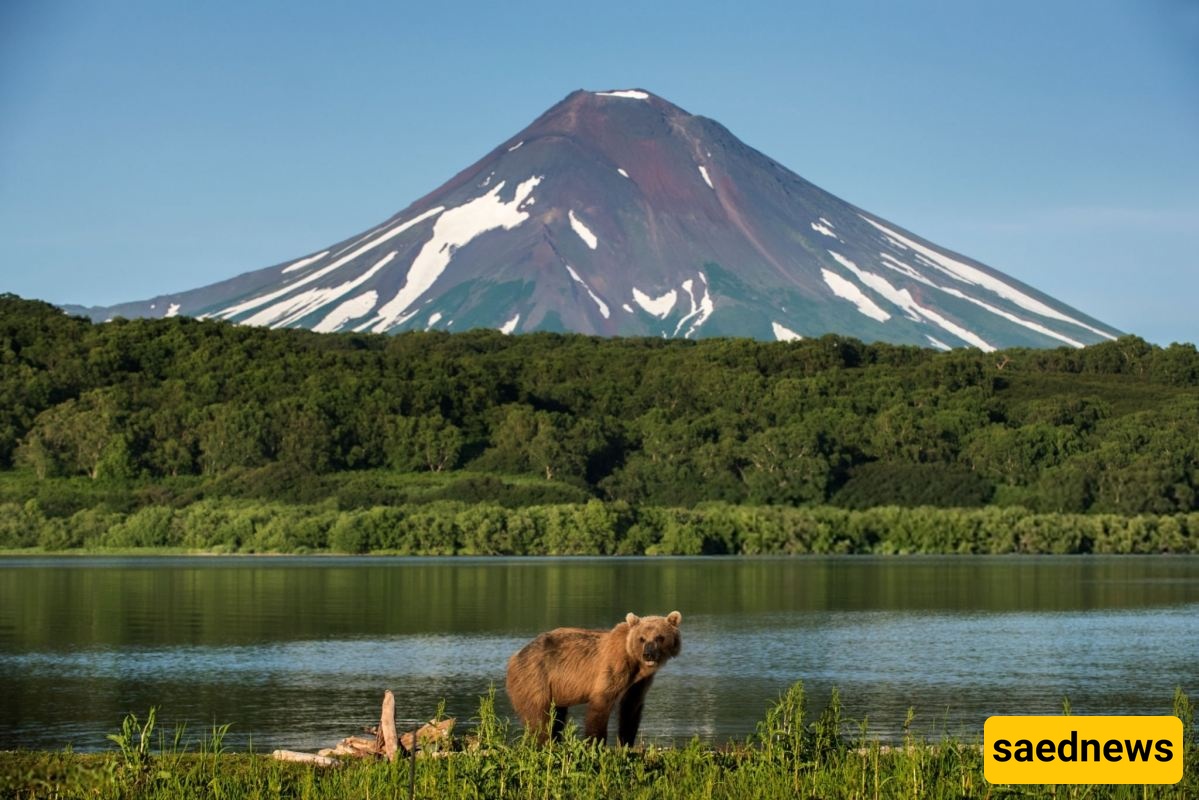
Many popular destinations around the world have developed roads, trails, and carefully organized tourist infrastructure. Kamchatka, however, still retains large areas of wild and relatively untouched nature.
Traveling through the peninsula means encountering landscapes that are difficult to find elsewhere: white volcanic plumes rising on the horizon, valleys filled with steam, waterfalls fed by melting glaciers, and remote shores battered by Pacific waves. These features have made Kamchatka a popular destination for adventurers, nature photographers, hikers, and wildlife enthusiasts.
The Valley of Geysers is Kamchatka’s most famous natural attraction and one of the largest geyser fields in the world. Located within the Kronotsky Nature Reserve, it contains more than 90 geysers along with numerous hot springs and mud pools.
Columns of steam and hot water periodically erupt from the ground, creating an extraordinary landscape.
The valley can generally be reached only by helicopter and is often included in day tours that also visit the Uzon volcanic area and the Nalychevo hot springs. In 2007, a massive landslide destroyed part of the valley, but natural processes gradually restored sections of the landscape. Today, it remains one of Kamchatka’s most spectacular destinations.
Standing at approximately 4,750 meters, Klyuchevskaya Sopka is the highest active volcano in Eurasia and one of the world’s most active volcanoes.
Its nearly symmetrical cone can erupt periodically, with smoke and ash sometimes visible from considerable distances. Reaching the summit requires professional mountaineering equipment, a local guide, and several days of preparation and climbing.
Avachinsky and Koryaksky are among the volcanoes closest to Kamchatka’s main city, located less than 30 kilometers from Petropavlovsk-Kamchatsky.
Avachinsky is regarded as one of the symbols of the city and is among the region’s active volcanoes. Hiking toward its crater is one of the area’s popular mountaineering excursions.
Mutnovsky Volcano is known for its striking yellow sulfur deposits, geothermal activity, and mud springs. It offers some of the most dramatic volcanic scenery in Kamchatka.
Nearby are the Opasny Waterfall and a steam-filled valley sometimes referred to as a “Little Valley of Death,” where volcanic gases can create dangerous conditions for people and animals.
Avacha Bay is one of the largest and most scenic natural bays in the world. At its entrance stand three distinctive rock formations known as the “Three Brothers,” which have become a symbol of Petropavlovsk-Kamchatsky.
Boat trips across the bay provide opportunities to observe seabirds, seals, and, occasionally, whales.
Located in southern Kamchatka, Kuril Lake is one of the world’s major spawning grounds for sockeye salmon.
Every summer, millions of salmon enter the lake to spawn. Their migration also attracts large numbers of brown bears, which gather along the waterways to feed.
Watching bears fishing beside waterfalls and the lake is one of the peninsula’s most memorable wildlife experiences.
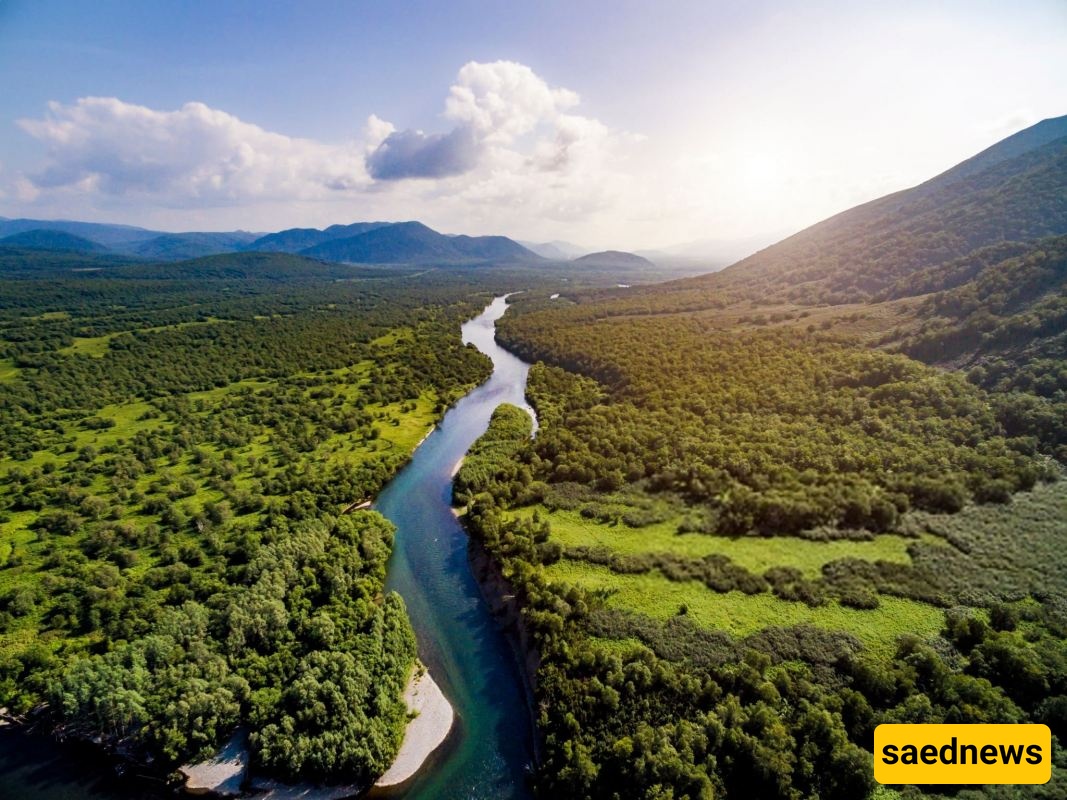
The Kronotsky Nature Reserve is one of Russia’s oldest and most important protected areas. It encompasses Kuril Lake, the Valley of Geysers, and parts of southern Kamchatka’s volcanic landscapes.
Access is restricted and generally requires special permission and participation in an authorized tour.
Nalychevo Nature Park combines mineral hot springs, a lush valley, and spectacular views of surrounding volcanoes. It is a popular destination for both local residents and visitors.
Bathing in the natural hot springs surrounded by snow during winter offers a particularly distinctive Kamchatka experience.
Kamchatka is home to Indigenous peoples including the Itelmens, Koryaks, and Chukchi, who have preserved distinctive cultural traditions, languages, and ceremonies.
Visiting Indigenous communities can provide an opportunity to learn about traditional dances, clothing, and ways of life historically connected to hunting and fishing. This cultural dimension adds another layer to a journey through Kamchatka.
Summer, particularly from July through September, is generally the most accessible season for traveling around Kamchatka. During this period, temperatures are relatively mild, many roads and routes are open, and helicopter excursions to places such as the Valley of Geysers and Kuril Lake are possible.
Summer is also an excellent period for observing brown bears along rivers and waterways.
Winter, roughly from December through March, offers a very different experience. Snow sports, skiing on volcanic slopes, and soaking in hot springs surrounded by snow are among the seasonal highlights.
Spring and autumn are generally wetter and windier, and some routes may be inaccessible during these periods.
Book with a reputable tour operator: Many remote areas of Kamchatka can only be visited with authorized guides or special permits.
Follow bear-safety practices: Carry appropriate bear-safety equipment and avoid traveling alone in remote wilderness areas.
Prepare physically: Many routes involve long hikes across mountainous and rugged terrain, so a reasonable level of physical fitness is important.
Bring suitable equipment: Waterproof clothing, sturdy hiking boots, insect protection, and other outdoor essentials are highly recommended.
Plan well in advance: Kamchatka’s main tourism season is relatively short, so helicopter excursions, tours, and accommodation may need to be arranged several months ahead.
Kamchatka is more than a destination defined by volcanoes. It is a vast landscape where geothermal activity, glaciers, forests, rivers, wildlife, Indigenous cultures, and the Pacific coastline exist side by side.
For travelers seeking dramatic scenery and remote wilderness, the peninsula offers an experience shaped as much by the forces of nature as by tourism.