SAEDNEWS: Cologne Cathedral in Germany, the world’s third-largest cathedral and a UNESCO World Heritage Site, is renowned for its Gothic architecture, 157-meter-high towers, the Shrine of the Three Kings, and its priceless works of art. It stands as one of Europe’s most significant historical and tourist attractions.
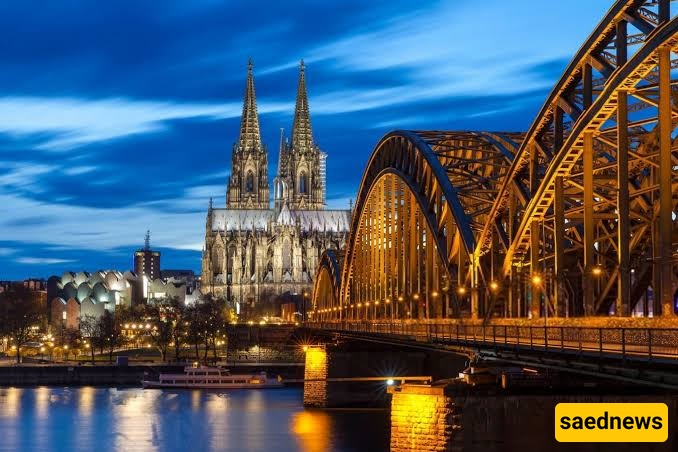
According to Saednews, Cologne Cathedral, located in Germany, is recognized as one of the largest churches in the world and is one of the country’s most famous architectural landmarks. Construction began in 1248, and the cathedral has long stood as a symbol of the enduring influence of Christianity in Europe. It was built under the direction of the Archbishop of Cologne, primarily to house the relics traditionally associated with the Three Magi.
Cologne is one of Germany’s historic cities, with a history spanning approximately two thousand years and a wealth of important historical monuments. In earlier periods, the city served as the seat of the Archbishop of Cologne. Today, Cologne Cathedral is one of the city’s most important tourist attractions.
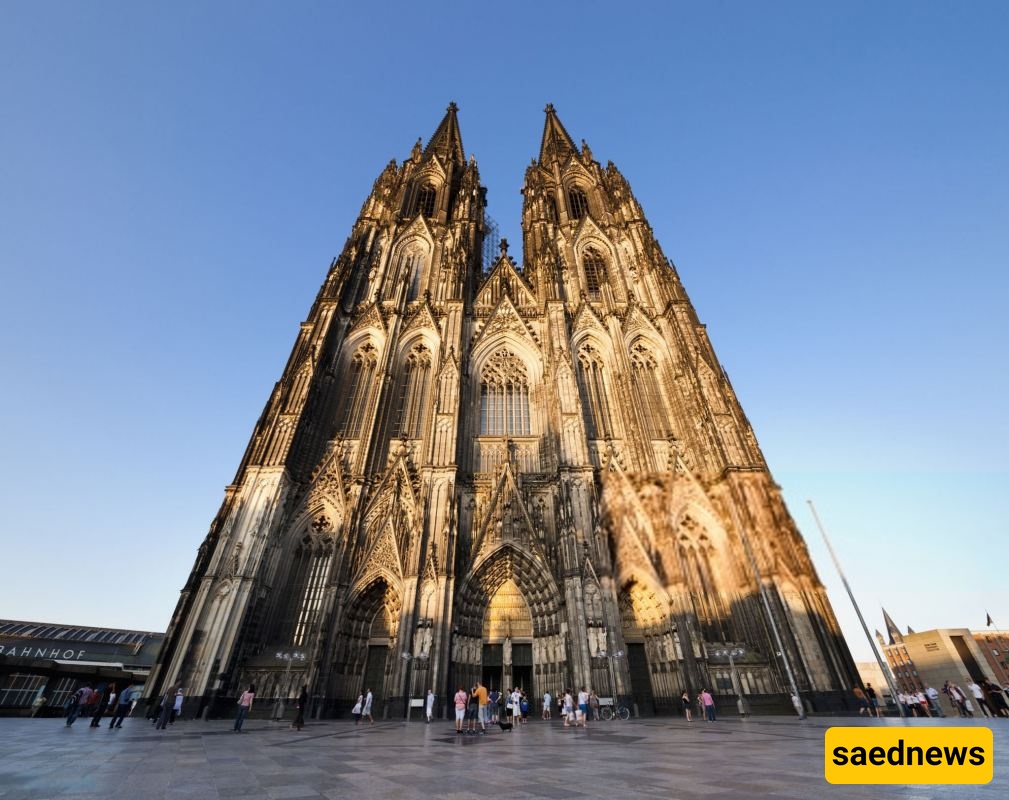
The cathedral is also known for its enormous twin towers, which rise to approximately 157 meters and form one of the most impressive Gothic façades in the world. In 1996, Cologne Cathedral was designated a UNESCO World Heritage Site under inscription number 292.
The history of Cologne Cathedral dates back to 1248. On August 15 of that year, Archbishop Konrad von Hochstaden laid the foundation stone of the present cathedral.
Construction continued for roughly six centuries. The completed building was finally inaugurated as part of a major national celebration on August 14, 1880, in the presence of Emperor Wilhelm I.
One of the principal purposes of the cathedral was to provide a worthy home for the relics of the Three Magi, who are traditionally known as the Wise Men associated with the birth of Jesus.
In 1164, Archbishop Rainald of Dassel brought the relics of the Three Magi to Cologne after they had been transferred from Milan, Italy. Their presence helped establish Cologne Cathedral as an important religious destination.
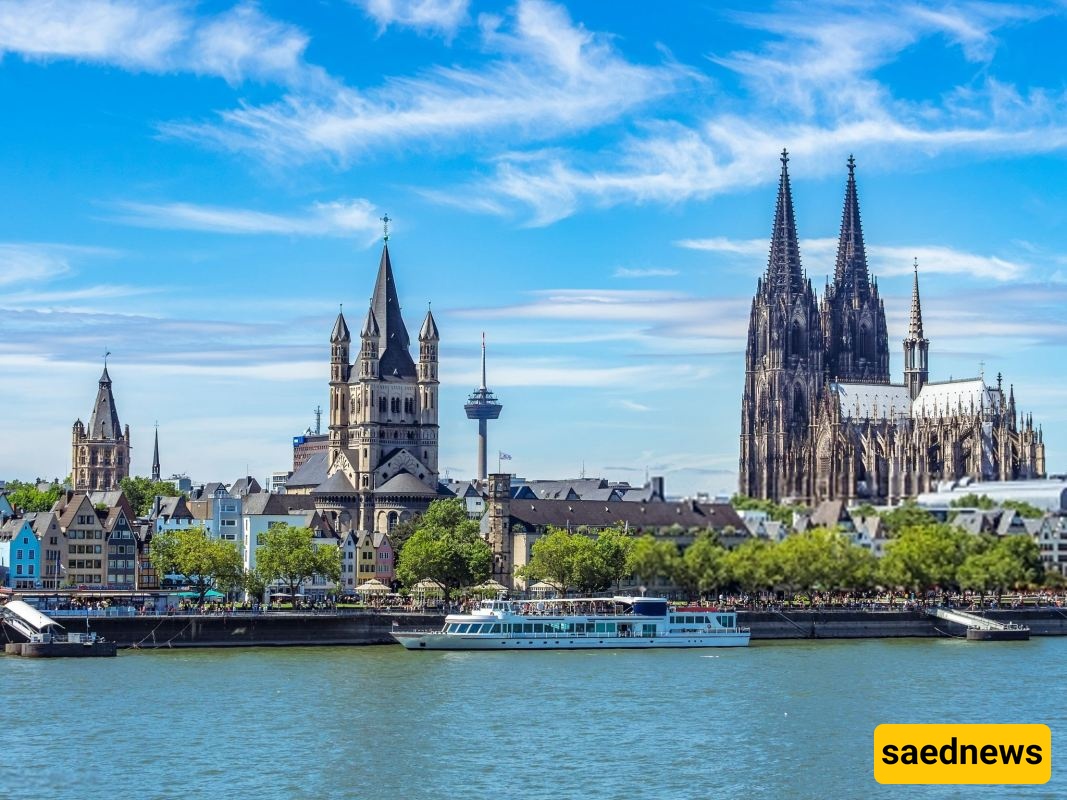
Cologne Cathedral is widely regarded as a symbol of the long-standing presence and influence of Christianity in Europe. It serves as the seat of the Archbishop of Cologne and the administrative center of the Archdiocese of Cologne.
In 2004, the cathedral was placed on UNESCO’s list of World Heritage in Danger because of concerns about the visual impact of nearby high-rise buildings and the preservation of the site’s architectural setting.
With its towers reaching approximately 157 meters, the cathedral has been one of Germany’s most prominent churches since the medieval period.
Cologne Cathedral is one of the most important tourist attractions in Cologne. Built in the Gothic style, it features two monumental towers rising approximately 157 meters above the city.
Gothic churches traditionally use a Latin-cross floor plan. Cologne Cathedral follows this basic design, with aisles extending along both sides of the main nave. One section of the cathedral houses one of the world’s most significant ecclesiastical treasuries.
The western façade is framed by two magnificent towers and decorated with pointed arches, sculptures, carvings, paintings, and elaborate architectural details.
One of the cathedral’s historic entrances, known as the Peter Portal, dates back to around 1370 and is associated with the Parler family of architects and artists.
The design of Cologne Cathedral was influenced by French Gothic architecture, particularly the proportions, floor plan, and vertical design of Amiens Cathedral.
The main building covers an area of approximately 7,000 square meters. Its interior contains an extraordinary variety of architectural and artistic details.
Among the most striking features are the cathedral’s enormous stained-glass windows. Together, the windows cover an area of roughly one hectare. Sunlight passing through the glass creates distinctive patterns and colors throughout the interior.
Cologne Cathedral has two tall towers that provide visitors with an opportunity to enjoy panoramic views across the city.
Visitors who wish to climb one of the towers must ascend 509 steps. Along the staircase are nine bells. One of the most famous is St. Peter’s Bell, which weighs approximately 24 tons.
A notable painting associated with Cologne Cathedral was created in 1442 by the German painter and artist Stefan Lochner. The work is an important example of medieval German religious art.
The cathedral is home to the Gero Cross, one of its most historically significant objects. Created around the end of the tenth century, it is considered one of the oldest monumental representations of the crucifixion in northern Europe and an important early Christian artwork north of the Alps.
The High Altar is another important treasure of Cologne Cathedral. It was created in 1322 and is made primarily of black marble. Its upper section consists of a massive stone slab measuring approximately 4.6 meters in length.
The walls surrounding the altar feature white marble niches and elaborate decorative scenes, including representations associated with the Coronation of the Virgin.
One of the most significant areas of Cologne Cathedral is the Chapel of the Three Magi. It contains some of the cathedral’s oldest stained glass.
The Three Magi—traditionally named Caspar, Melchior, and Balthasar—are associated with the famous Shrine of the Three Kings. They are also commonly referred to as the Wise Men.
According to Christian tradition, the relics of the Three Magi were brought to Cologne in the twelfth century. Their shrine has made the cathedral an important pilgrimage destination, attracting millions of visitors over the years.
Another notable work in Cologne Cathedral is a jeweled statue of the Virgin Mary holding the infant Jesus. The figure, dressed in a white robe, is one of the devotional works displayed within the cathedral.
The building also contains a wooden statue of the Virgin Mary dating from the late thirteenth century, around 1290. It depicts Mary with the infant Jesus and is an important example of medieval religious sculpture.
During the Second World War, Cologne Cathedral was damaged by numerous bombing raids. Although the building suffered significant damage, much of its structure survived.
After the war, restoration and reconstruction work began. Later restoration projects, including work carried out in the 1960s, introduced changes to parts of the cathedral’s structure.
One notable alteration was the installation of a large window on the eastern side of the building. Restoration and preservation work has continued over the years to protect the cathedral from weathering and maintain its historic architecture.
Today, Cologne Cathedral remains one of Germany’s most recognizable Gothic landmarks, combining medieval architecture, religious history, artistic treasures, and centuries of cultural heritage.