SAEDNEWS: A temple and forehead lift is performed to rejuvenate the appearance of the eyes and reduce sagging eyebrows. However, achieving long-lasting results depends on careful aftercare from the first day through the return to normal daily activities.

According to Saednews, Temple and forehead lift surgery is a popular cosmetic procedure designed to raise the eyebrows, reduce horizontal forehead lines, and create a more youthful appearance. The success of the procedure depends not only on the surgeon’s technique but also on proper post-operative care. Following your surgeon’s instructions, managing swelling and bruising, protecting the incision sites, and avoiding risk factors can all contribute to smoother healing and longer-lasting results.
A temple and forehead lift is generally performed to correct drooping eyebrows, reduce loose skin around the forehead, and improve frown and forehead lines. During the procedure, tissues in the forehead and temple areas are repositioned upward and secured.
Because the tissues need time to heal and stabilize, proper aftercare is particularly important. Inadequate care may contribute to prolonged swelling, significant bruising, infection, wound separation, unfavorable scarring, or reduced longevity of the result. Following appropriate recovery guidelines can help support healing and reduce the risk of complications.
Before getting into specific stages of recovery, keep these basic principles in mind:
Follow your surgeon’s instructions exactly. Do not independently add or stop any treatment.
Take prescribed medications according to the recommended schedule. Antibiotics, pain relievers, and anti-inflammatory medications should be used as directed.
Avoid pressure, impact, and pulling around the surgical area.
Get adequate rest. Good-quality sleep supports tissue healing.
Report unusual or concerning symptoms to your doctor promptly.
These simple measures form the foundation of effective aftercare following temple and forehead lift surgery.
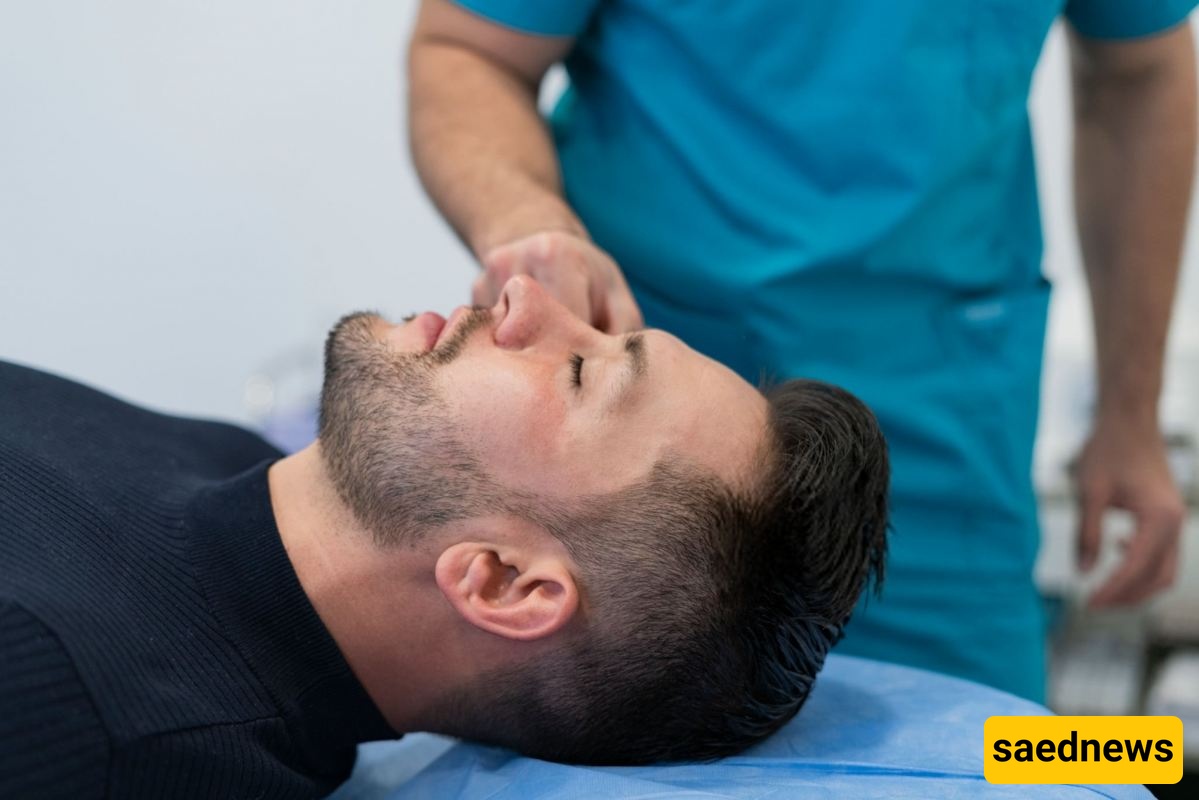
The first 24 hours are generally the most sensitive period following surgery. The effects of anesthesia or sedation may still be present, so having someone available to assist you may be necessary.
Your doctor may recommend that you:
Keep your head elevated, preferably above the level of your heart.
Use cold compresses as instructed.
Avoid touching or adjusting the dressing.
Drink adequate fluids while avoiding heavy and very salty foods.
Avoid driving and strenuous physical activity.
Mild bleeding or some drainage around the stitches may occur, but heavy or persistent bleeding requires prompt medical evaluation.
During the first few days, the dressing helps protect the surgical area. Your doctor will usually provide instructions about when it should be changed. Do not remove the dressing without medical approval. If it becomes wet or contaminated, contact your healthcare provider.
Washing the hair and scalp may be restricted for several days. Some surgeons allow gentle washing from around the third or fourth day using a recommended shampoo. When washing is permitted, avoid vigorous rubbing, hot water, and directing strong water pressure at the incision.
Stitches may be absorbable or non-absorbable. If non-absorbable stitches are used, they are commonly removed approximately 7–14 days after surgery. Stitch removal should be performed by a doctor or nurse. Attempting to remove stitches yourself may cause the wound to reopen or lead to more noticeable scarring.
Swelling and bruising are among the most common effects after temple and forehead lift surgery. They often become most noticeable around the second or third day and then gradually improve.
To help reduce swelling:
Use cold compresses during the first few days and warm compresses later only if recommended by your doctor.
Keep your head elevated.
Limit salty foods.
Drink sufficient fluids.
Pain is usually mild to moderate and can often be controlled with prescribed pain medication. If pain becomes severe, persistent, or is accompanied by a fever, contact your doctor promptly.
The incision sites should be kept clean and dry according to your surgeon’s instructions. To reduce the risk of infection:
Wash your hands before touching the surgical area.
Avoid applying creams, powders, or cosmetics directly to the wound unless approved by your doctor.
Keep towels, pillowcases, and personal items clean.
Avoid swimming pools, saunas, hot tubs, and swimming until the wounds have adequately healed.
Take symptoms such as increasing warmth, widespread redness, pus-like discharge, unpleasant odor, or fever seriously.
If an infection is suspected, antibiotic treatment may be necessary, but antibiotics should only be prescribed by a healthcare professional.
During the first few days, avoid sleeping on your stomach or sides. Sleeping on your back with your head elevated is generally preferred. You can use several pillows or a supportive medical pillow to help maintain this position.
For at least the first week, avoid excessive bending, lifting heavy objects, and sudden head movements. When getting out of bed, turn onto your side first and then use your hands to help yourself up.
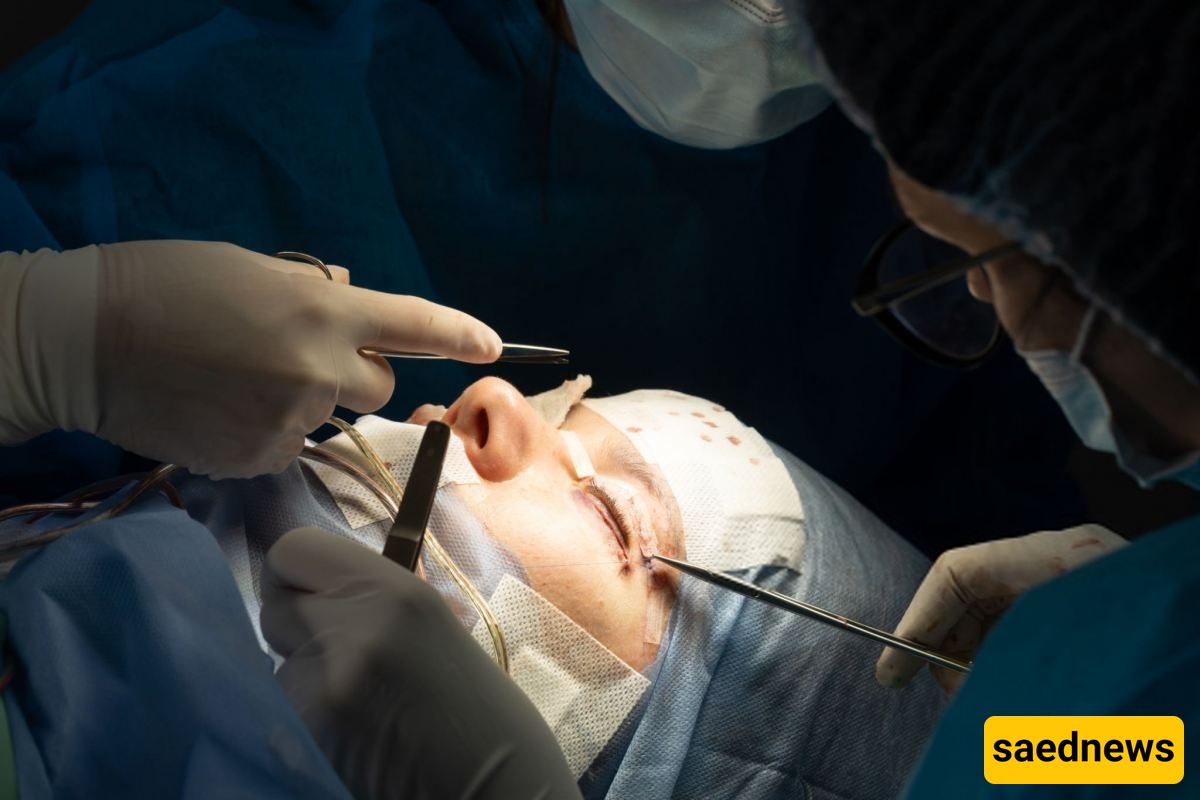
Good nutrition can support tissue repair. During recovery, consider:
Eating adequate protein from sources such as chicken, fish, eggs, legumes, and low-fat dairy products.
Including fresh fruits and vegetables in your diet.
Limiting foods that are very salty, fatty, or high in sugar.
Avoiding alcohol and energy drinks.
Drinking enough fluids while avoiding beverages that are extremely hot or cold if they cause discomfort.
Some doctors may recommend supplements such as vitamin C, vitamin E, or zinc. Any supplement should be taken only after discussing it with your doctor.
During the first week, relative rest is generally recommended. Light walking around the house is usually acceptable, but strenuous exercise, weightlifting, running, swimming, and demanding yoga should generally be avoided for at least 4–6 weeks or for the period specified by your surgeon.
Driving is not recommended while you are taking sedating pain medication or while significant pain and swelling interfere with your ability to drive safely.
Returning to work depends on the nature of your job. Light office work may be possible after approximately 7–10 days for some patients, while physically demanding occupations may require a longer recovery period.
After temple and forehead lift surgery, the skin may temporarily become sensitive or dry. Once approved by your doctor, using a high-SPF sunscreen is important. Avoid direct sun exposure for at least several weeks.
Hair coloring, perming, or chemical straightening should generally be postponed until the incision sites have fully healed. Avoid tightly pulling the hair backward or wearing hairstyles that place tension on the surgical area.
For a smoother recovery, your surgeon may advise avoiding the following:
Smoking and hookah: Avoid for at least 4 weeks. Nicotine can reduce blood flow to the skin and slow healing.
Alcohol: Avoid for at least 2 weeks or as directed by your doctor.
Direct sunlight, tanning beds, and saunas: Avoid until healing is complete.
Makeup and chemical creams on the incision: Do not use until your doctor gives permission.
Swimming and pools: Avoid until the wounds have completely closed and your surgeon approves.
Scratching or manipulating the stitches: Avoid completely.
Contact your doctor immediately if you experience any of the following:
Fever above 38°C (100.4°F)
Severe or uncontrolled pain
Persistent bleeding or pus-like discharge
Extensive redness or warmth around the incision
Unusual or persistent numbness
Significant eyebrow asymmetry or sudden eyebrow drooping
Shortness of breath or signs of an allergic reaction
Following your surgeon’s individualized instructions is the most important part of recovery, as healing times and restrictions can vary depending on the surgical technique and each patient’s circumstances.