SAEDNEWS: A cracked scalp is characterized by dryness, flaking, itching, and tiny cracks. In this article, we will introduce you to the causes, symptoms, and treatment methods for cracked scalp.
According to Saednews, Cracked scalp is a relatively common condition that many people mistake for ordinary dandruff. However, it can sometimes indicate a more significant skin disorder. When the scalp develops cracks, excessive flaking, severe dryness, or small fissures, it can affect not only the appearance of the hair but also cause itching, burning, irritation, and even hair loss.
Identifying the exact cause of a cracked scalp is the first and most important step toward choosing the appropriate treatment. A fungal infection, for example, requires a very different approach from simple dry skin. This guide explains why scalp cracking occurs, the symptoms to watch for, how it is diagnosed, and the treatment and prevention options available.
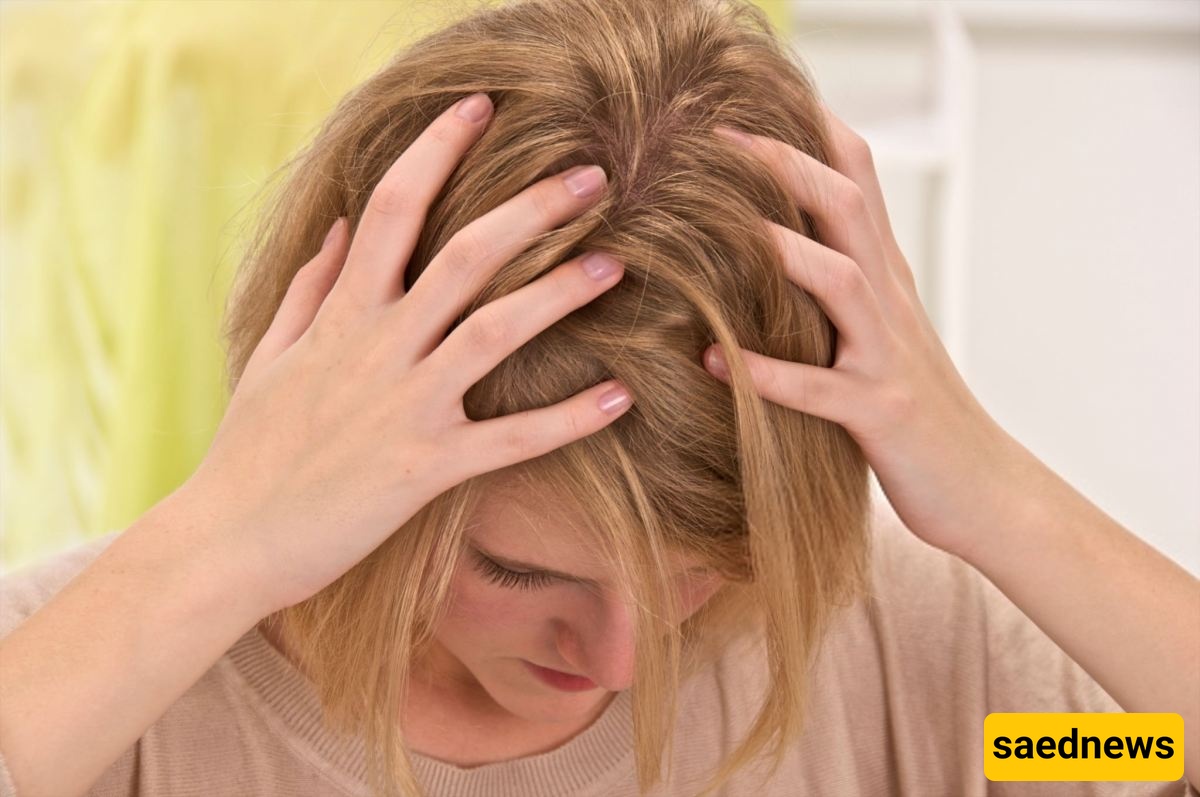
A cracked scalp refers to a condition in which the skin of the scalp develops small fissures, excessive dryness, flaking, or inflammatory lesions. It may appear as white or yellow flakes, red and irritated areas, or tiny cracks accompanied by itching and burning.
In many cases, the problem develops when the scalp's natural protective barrier becomes weakened and loses moisture. If the condition persists, damaged skin may become more vulnerable to secondary bacterial or fungal infections, potentially making treatment more complicated.
Typical symptoms may include:
White or yellow flakes on the scalp or clothing
Persistent or intense itching
A dry or tight feeling on the scalp
Small cracks, fissures, or sores
Redness and inflammation
Gradual hair thinning or increased hair shedding
Burning or stinging, particularly when using shampoo or chemical products
In more severe cases, fluid discharge and greasy scales
Several conditions can contribute to scalp cracking. The underlying cause is important because treatment varies considerably between conditions.
Seborrheic dermatitis is one of the common causes of severe scalp flaking and irritation. It is associated with excess oil production and an overgrowth of Malassezia yeast on the skin.
It can cause yellowish, greasy scales, inflammation, and irritation. Similar symptoms may also appear around the hairline, eyebrows, and ears.
Psoriasis is a chronic immune-mediated skin condition that accelerates the production of skin cells. It can produce red patches covered with thick, silvery scales.
When the affected skin becomes very dry or inflamed, it may crack and sometimes bleed. Scalp psoriasis often affects areas around the hairline and the back of the scalp.
People with eczema or a history of allergies may be more susceptible to severe scalp dryness and cracking. Damage to the skin barrier can cause moisture to escape more easily, resulting in dryness, irritation, and itching.
Fungal infections such as scalp ringworm (tinea capitis) can cause scaling, redness, itching, broken skin, and hair loss.
Scalp ringworm may produce circular lesions and generally requires appropriate medical treatment.
Cold or dry weather, hot showers, dehydration, and harsh shampoos can strip the scalp of its natural oils.
Dry scalp typically produces small, fine, white, non-greasy flakes, whereas dandruff associated with seborrheic dermatitis may be more oily and accompanied by inflammation.
Hair dyes, styling products, sprays, gels, and certain shampoos can irritate the scalp or trigger an allergic reaction.
This may result in redness, itching, inflammation, dryness, and cracking.
Deficiencies involving nutrients such as iron, zinc, vitamin D, or certain B vitamins may affect overall skin health. If a deficiency is suspected, appropriate testing should be performed before taking supplements.
Chronic stress may aggravate inflammatory skin conditions such as psoriasis and eczema, potentially making scalp symptoms more noticeable.
Certain medical conditions, including diabetes, thyroid disorders, hormonal problems, and immune-system disorders, may contribute to skin dryness or make some scalp conditions more difficult to control.
Accurate diagnosis usually requires an examination by a dermatologist. A doctor may evaluate the appearance of the scalp, review the person's medical history, and, when necessary, perform additional tests.
For suspected fungal infections, microscopic examination of skin or hair samples and fungal cultures may be used.
Correct diagnosis is important because inappropriate treatment can sometimes worsen irritation or delay recovery.
Treatment depends on the underlying cause.
Some general measures may help protect the scalp:
Wash gently: Use a mild shampoo appropriate for your scalp and avoid excessive washing.
Avoid very hot water: Lukewarm water can help reduce additional dryness and irritation.
Moisturize appropriately: A suitable scalp moisturizer may help support the skin barrier. Oils are not appropriate for every scalp condition and may aggravate some problems.
Manage stress: Regular exercise, adequate sleep, and relaxation techniques may help reduce flare-ups of stress-sensitive skin conditions.
Maintain a balanced diet: Consume a varied diet containing adequate protein, vitamins, minerals, healthy fats, and antioxidants.
Avoid scratching: Scratching can damage the skin further and increase the risk of infection.
Depending on the diagnosis, a dermatologist may recommend:
Antifungal shampoos: Ingredients such as ketoconazole or selenium sulfide may be used for certain yeast-related scalp conditions.
Salicylic-acid or other medicated shampoos: These can help loosen thick scales in some scalp conditions, including psoriasis.
Topical corticosteroids: These may be prescribed for inflammatory conditions to reduce itching and inflammation.
Oral antifungal medication: Scalp fungal infections such as tinea capitis often require prescription oral antifungal treatment.
Antibiotics: These are used when a bacterial infection is diagnosed and treatment is medically indicated.
Vitamin or mineral supplements: These are generally appropriate when testing confirms a nutritional deficiency.
For persistent or severe conditions, dermatologists may consider treatments such as phototherapy or, for certain immune-mediated diseases, systemic or biologic medications.
Regular follow-up is important, particularly for chronic scalp conditions.
How to Prevent Scalp Cracking
The following measures may help reduce irritation and prevent recurring symptoms:
Choose hair-care products suitable for your scalp type.
Avoid unnecessary exposure to harsh chemicals and frequent hair coloring.
Maintain adequate scalp moisture without using products that irritate your skin.
Avoid excessive heat from hot water and styling tools.
Manage stress and maintain healthy sleep and lifestyle habits.
See a dermatologist if you have a history of recurring scalp disorders.
When Should You See a Doctor?
Medical evaluation is recommended if scalp cracking:
Persists for more than a couple of weeks
Causes significant pain, bleeding, or discharge
Is accompanied by substantial hair loss
Does not improve with basic scalp care
Produces widespread lesions
Is associated with changes in the nails or other areas of the skin
These symptoms may occur with conditions such as psoriasis or fungal infections and may require targeted treatment.
It depends on the cause. Fungal infections such as scalp ringworm can spread between people, while conditions such as dry skin, eczema, and psoriasis are not contagious.
In many cases, hair shedding associated with inflammation or infection can improve once the underlying condition is treated. However, some untreated or severe inflammatory conditions can damage hair follicles and potentially result in permanent hair loss.
There is no single best shampoo because treatment depends on the underlying cause. Medicated antifungal shampoos may be appropriate for certain forms of seborrheic dermatitis, while other conditions may require products containing ingredients such as salicylic acid or prescription treatments.
Final Takeaway
A cracked scalp can result from something as simple as dryness or irritation, but it can also be associated with conditions such as seborrheic dermatitis, psoriasis, eczema, or fungal infection.
The most important step is determining the underlying cause rather than treating the cracking alone. Gentle scalp care, avoiding irritating products, maintaining a balanced diet, and managing stress may help reduce symptoms. If the condition persists, becomes painful, or is accompanied by significant hair loss, bleeding, or discharge, a dermatologist should evaluate the scalp and recommend appropriate treatment.