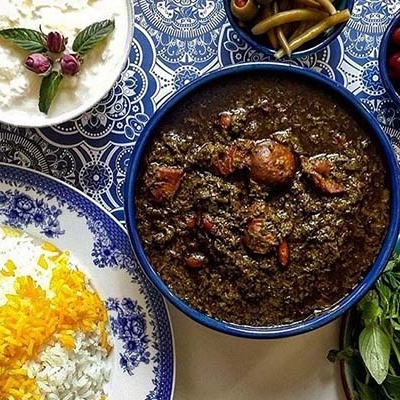
SAEDNEWS: Has your Ghormeh Sabzi turned out too sour? Don’t worry! With a few simple and quick tricks, you can easily balance the sourness and turn your stew into a delicious and satisfying dish that everyone will enjoy.
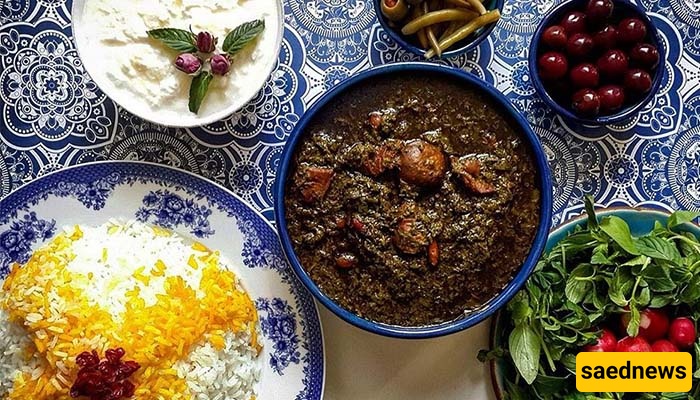
According to Saednews, With these simple tricks, you won't need to cook your ghormeh sabzi all over again to fix an overly sour taste. Before getting into the solutions, it's helpful to understand why ghormeh sabzi can sometimes turn out too sour.
The most common reasons include using too much dried lime (limoo amani), adding particularly sour or locally specific herbs, cooking the stew for too long and concentrating its sour flavor, or using tomato paste. Here are some of the easiest ways to balance the flavor of sour ghormeh sabzi.
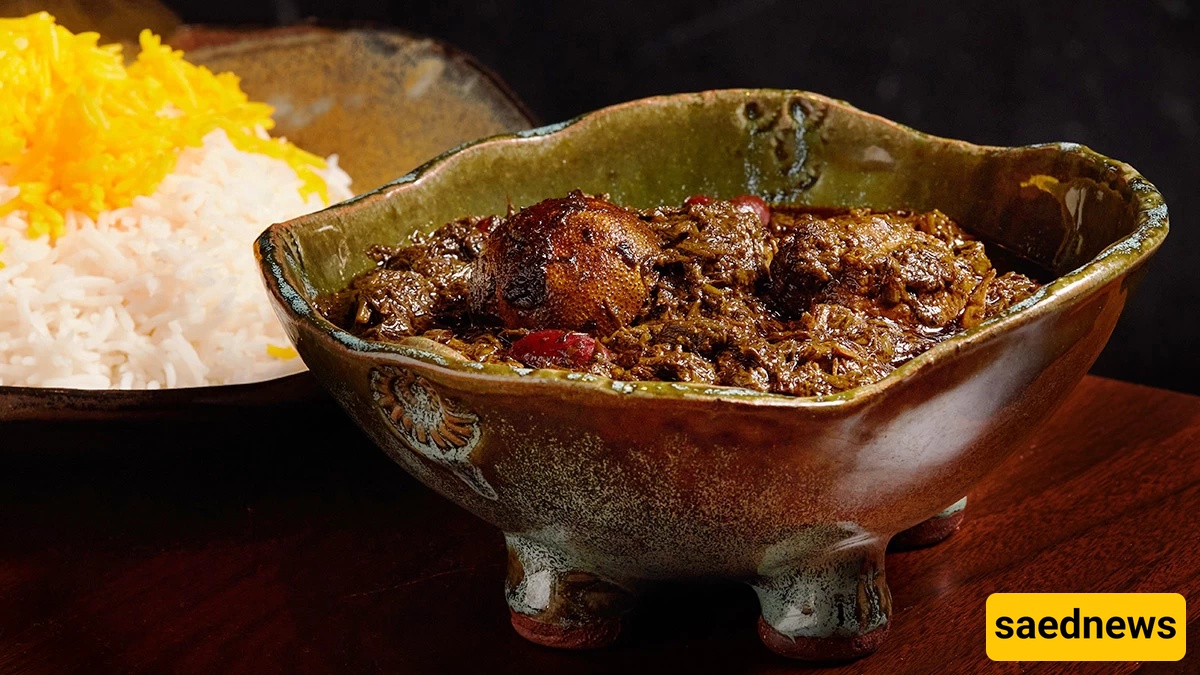
One of the simplest ways to reduce the sourness of ghormeh sabzi is to add a little sugar or honey. The sweetness helps balance the acidity without completely changing the character of the stew.
Add a small amount at a time and taste the stew after each addition until you reach the desired flavor. Be careful not to add too much, as excessive sugar can make the stew noticeably sweet.
You can also use a small piece of rock sugar. Start with about one sugar cube, taste the stew, and add more only if necessary.
Adding potatoes is another quick and effective way to mellow the flavor of a sour ghormeh sabzi. Potatoes contain plenty of starch and can help absorb some of the strong flavors in the stew.
Peel and dice one or two potatoes, then add them to the stew. Let them cook for about 20–30 minutes, and remove them afterward if you don't want them included in the final dish.

Fat can help soften and balance strong flavors. Adding a small amount of olive oil, butter, or rendered animal fat can make the sourness less noticeable while also giving the stew a richer flavor and texture.
Add only a little at a time so the stew doesn't become unnecessarily greasy.
Vegetables such as carrots, pumpkin, and potatoes can provide a mild natural sweetness that helps balance excessive sourness.
Dice the vegetables into small pieces and add them to the stew. Carrots are particularly useful because their natural sweetness can complement the herbs and beans in ghormeh sabzi.
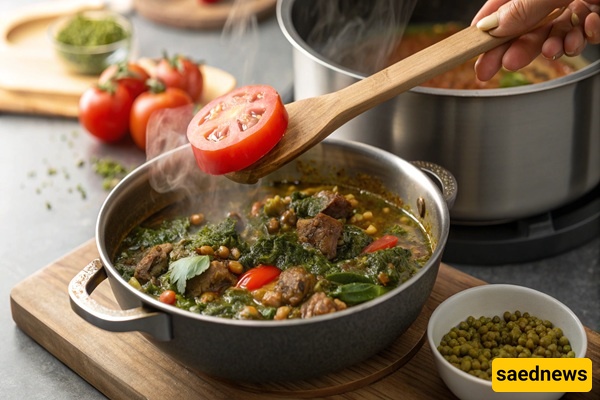
Yogurt or cream can soften acidic flavors and give the dish a smoother texture. If you choose this method, add a small amount and stir gently.
However, too much dairy can change the texture and character of traditional ghormeh sabzi. This approach is generally more suitable when adjusting the flavor immediately before serving rather than during a long cooking period.
Sometimes a stew can taste excessively sour simply because its other flavors are not properly balanced. Adding a small amount of salt may help bring the overall flavor into better balance.
Add salt gradually and taste as you go. Too much salt can easily turn a sour problem into an overly salty dish.
Baking soda can neutralize acidity and therefore reduce the sourness of the stew. However, this method requires considerable caution because even a small excess can noticeably affect the flavor and texture.
If you decide to use it, dissolve a very small amount in a little water and add it gradually. Start with roughly ¼ teaspoon for a large pot, taste, and only add more if absolutely necessary.

If dried limes are giving your ghormeh sabzi an overly sharp or bitter-sour flavor, you can reduce or remove them and use a small amount of fresh lemon juice toward the end of cooking instead.
Fresh lemon juice gives you greater control over the final level of acidity, so add it gradually and taste as you go.
If you suspect that too many dried limes are responsible for the sour flavor, remove some of them from the stew.
You can also take the dried limes out after they have infused the stew sufficiently. Before adding them, piercing the limes and soaking them briefly in warm water can help reduce some of their intense, sharp flavor.
Sweet pomegranate molasses can add depth while helping balance an overly sour stew. Add about one teaspoon at first, mix well, and taste before adding more.
A mild, low-acid tomato paste can also be used in a small amount, depending on the flavor profile you want.
If none of the methods above works well enough, you can also try:
Adding a little meat or chicken stock: This can enrich the overall flavor and make the sourness less dominant.
Serving it with yogurt or strained yogurt: This can soften the perception of acidity, especially if you enjoy a slightly tangy stew but want a milder overall taste.
The key is to make adjustments gradually. Ghormeh sabzi has a complex combination of herbs, beans, meat, dried lime, and spices, so small additions can make a significant difference. Taste after each adjustment rather than adding a large amount of any ingredient at once.