Saed News: In recent years, protein has become a star in the world of nutrition, but doctors say that contrary to widespread advertising, most people do not need such high amounts of protein, and overconsumption not only provides no additional benefit but may also endanger health.
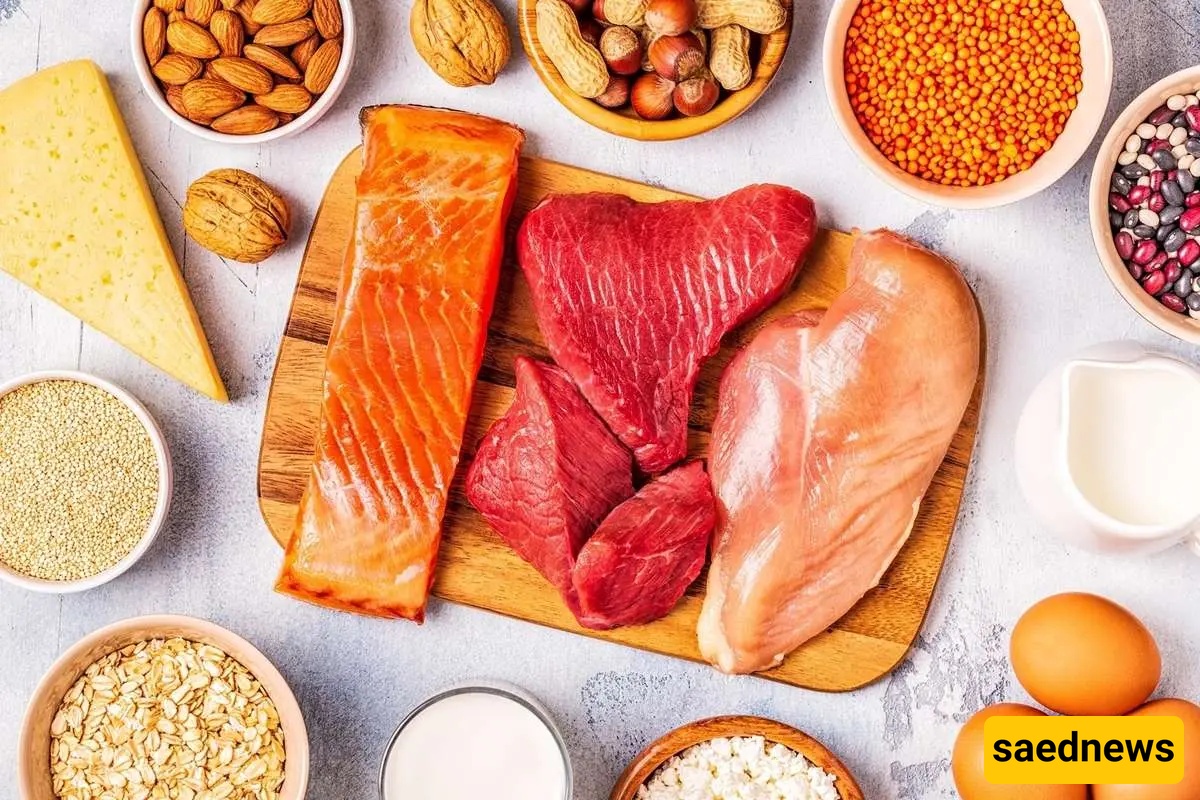
According to SAEDNEWS, citing SELF, a look at social media and food stores makes it easy to see that “protein” has become one of the biggest trends in nutrition. Nowadays, almost every product has a “protein” version—from drinks and snacks to desserts and foods that previously had no connection to fitness diets. This widespread marketing wave has created the impression that the more protein we consume, the healthier, stronger, and fitter we will be. However, digestive and nutrition experts warn that the reality is more complex than these online claims.
Doctors say that most people already consume enough protein in their daily diets, and in many cases, intake even exceeds the body’s actual needs. Lisa Ganjo, a gastroenterologist at New York University Medical Center, says protein has become a widespread online phenomenon, and many people mistakenly believe they must constantly increase their intake, while the human body has a limited capacity to use protein, and excessive consumption can have side effects.
This warning does not mean protein is unimportant. Protein is one of the three major macronutrients and plays a vital role in muscle building, tissue repair, blood sugar regulation, and energy production. However, as doctors emphasize, “more” is not always “better.”
Protein needs vary depending on age, gender, body weight, physical activity level, and overall health. For example, professional athletes or people engaged in heavy strength training naturally require more protein than sedentary individuals.
According to general recommendations, protein should make up about 10% to 35% of daily calorie intake. The standard recommended amount for an average person is about 0.36 grams of protein per pound of body weight. In simple terms, a person weighing about 63 kg needs around 50 grams of protein per day, while a person weighing about 90 kg may need around 70 grams.
However, individuals over 60 or those who exercise regularly may need more protein, as their bodies require higher amounts for muscle maintenance and repair. In such cases, daily intake of 70 to 100 grams may be reasonable.
Even then, there is a limit. Experts warn that consistently consuming more than 2 grams of protein per kilogram of body weight can be harmful and may put excessive strain on internal organs.
Experts say most healthy bodies can tolerate high protein intake to some extent, but if it continues, warning signs may appear:
One of the first signs of very high-protein diets is bad breath, especially common in low-carb and ketogenic diets. When the body does not receive enough carbohydrates, it enters “ketosis,” burning fat for energy instead of glucose. This process produces compounds that can cause strong, unpleasant breath, known as “keto breath.”
The digestive system does not always handle very high protein intake well. Large amounts of protein can be difficult to digest and may cause constipation, diarrhea, or a feeling of heaviness. This is often worsened when carbohydrate and fiber intake is reduced.
Fiber, found in plant foods, plays an important role in gut health and bowel regulation. Many people on high-protein diets unintentionally reduce fruits, whole grains, and vegetables, which worsens digestive issues.
Few people know that excessive protein intake can lead to dehydration. When protein is broken down, a substance called urea is produced, which must be eliminated by the kidneys. The more protein consumed, the harder the kidneys work, resulting in more water loss.
Doctors say people on very high-protein diets often need more water and may experience thirst, fatigue, or headaches if they do not stay hydrated.
Contrary to popular belief, excess protein does not automatically turn into muscle. If calorie intake exceeds energy expenditure, extra calories—even from protein—are stored as fat.
Each gram of protein contains about four calories, so excessive intake can gradually lead to weight gain.
To neutralize acids produced during protein metabolism, the body uses calcium. If calcium intake is insufficient, the body may pull it from bones, increasing the risk of osteoporosis and fractures over time.
The liver and kidneys are responsible for processing and eliminating protein byproducts. Excess protein forces these organs to work harder, increasing the risk of kidney stones, gout, and kidney dysfunction.
Protein sources matter. High intake of red and processed meats can contribute to plaque buildup in arteries, increasing the risk of heart attack and stroke. Healthier sources such as fish, legumes, nuts, and white meat are recommended.
Overemphasis on protein may reduce fiber intake, decreasing beneficial gut bacteria diversity. This imbalance is linked to inflammation, digestive disorders, and even some chronic diseases.
Experts believe much of the protein trend online is driven by marketing and oversimplified nutrition messaging. These narratives often suggest that more protein automatically leads to better results, while the human body has clear limits.
What most people actually need is not more protein, but a balanced diet including fiber, vegetables, whole grains, and diverse nutrients. Healthy eating is not about eliminating or over-consuming any single nutrient. Protein is essential, but excessive intake can be just as harmful as deficiency.