SAEDNEWS: Yellow and white corn are broadly similar in their basic nutritional value. However, yellow corn may offer greater benefits for eye health and immune function because it contains higher levels of antioxidants.
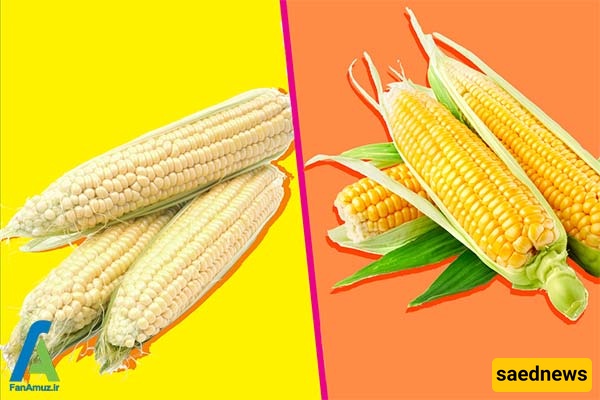
According to Saednews, Corn is one of the most widely consumed and popular grains in the world, playing an important role in the diets of millions of people. Originally native to the Americas, corn is now grown and consumed in many different forms. Two of the most common varieties are yellow corn and white corn.
When buying fresh corn on the cob or canned corn, many people wonder what the actual difference is between these two varieties and whether one is healthier than the other. In this comprehensive guide, we will explore the main differences between yellow and white corn, their nutritional value, culinary uses, health benefits, and what to consider when choosing between them.
The color difference between yellow and white corn comes primarily from naturally occurring pigments called carotenoids.
Yellow corn contains significant amounts of beta-carotene, a pigment that the human body can convert into vitamin A. Beta-carotene is also responsible for the orange color found in foods such as carrots and pumpkins.
White corn, on the other hand, contains little or none of these pigments, which gives its kernels their lighter appearance.
Contrary to a common belief, yellow and white corn are quite similar in their basic nutritional composition.
Both varieties provide carbohydrates, dietary fiber, protein, B vitamins, and minerals such as magnesium and potassium. However, yellow corn generally contains more carotenoids, including beta-carotene, lutein, and zeaxanthin.
As a result, yellow corn may offer a slight nutritional advantage for people who want to increase their intake of antioxidant compounds associated with eye health and vitamin A production.
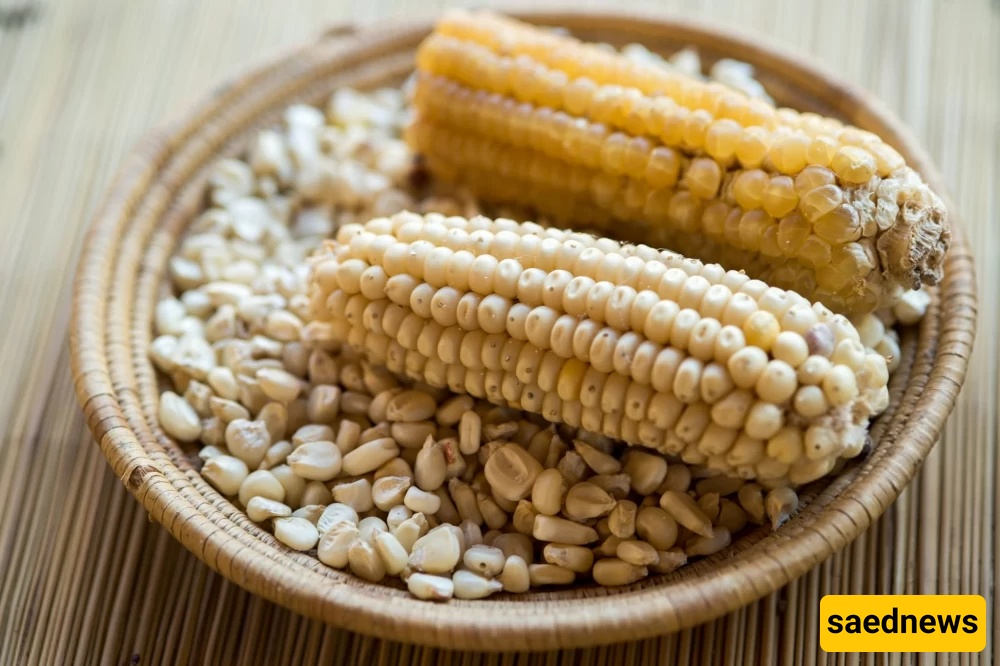
The difference, however, does not mean that white corn is unhealthy. Both varieties can be part of a balanced diet.
There is no universal rule that yellow corn tastes sweeter than white corn, or vice versa.
The sweetness of corn is influenced much more by its variety, such as whether it is sweet corn or field corn, as well as its freshness and how it is prepared.
Therefore, claims that white corn is naturally sweeter than yellow corn do not have a strong scientific basis. Both yellow and white sweet corn can be naturally sweet and flavorful.
Nutritional Value of Yellow and White Corn
To better understand the differences between corn varieties, it is useful to know the main types of corn and how they are used.
Dent corn is one of the most widely cultivated types of corn. Its name comes from the indentation that develops on the top of mature kernels, giving them an appearance similar to a horse's tooth.
Both yellow and white corn found in markets can belong to this category. Dent corn is rich in starch and is commonly used to produce cornmeal, animal feed, and various industrial products.
Flour corn has soft kernels with a starchy endosperm, making it relatively easy to grind.
It is often found in white varieties and is used to make finely textured corn flour and traditional foods such as tortillas.
Sweet corn is one of the most popular types for fresh consumption. It contains a higher proportion of natural sugars compared with starch, giving it its characteristic sweet flavor.
Sweet corn is available in both yellow and white varieties and is commonly eaten boiled or grilled on the cob, canned, or frozen.
Popcorn is a special type of corn with a hard outer shell and a starchy interior. When heated, moisture inside the kernel turns into steam, causing the kernel to expand and pop.
Popcorn varieties can have either yellow or white kernels.
One cup of cooked corn, weighing approximately 140 grams, typically provides:
Calories: about 130–140
Carbohydrates: around 30 grams
Dietary fiber: about 3–4 grams
Protein: around 4–5 grams
Fat: approximately 1–2 grams
Actual nutritional values can vary depending on the variety, preparation method, and serving size.
Corn can contribute several important nutrients to the diet, including:
Vitamin C: supports normal immune function
Thiamine (Vitamin B1): plays an important role in energy metabolism
Folate (Vitamin B9): supports normal cell growth and function
Magnesium: contributes to normal muscle and nerve function
Potassium: helps maintain normal fluid balance and supports cardiovascular function
One of the most notable nutritional differences between yellow and white corn is their carotenoid content.
Yellow corn generally contains higher amounts of compounds such as:
Lutein and zeaxanthin: carotenoids associated with eye health
Beta-carotene: a precursor that the body can use to produce vitamin A
Phenolic compounds: plant compounds with antioxidant properties
White corn generally contains lower levels of these particular pigments.
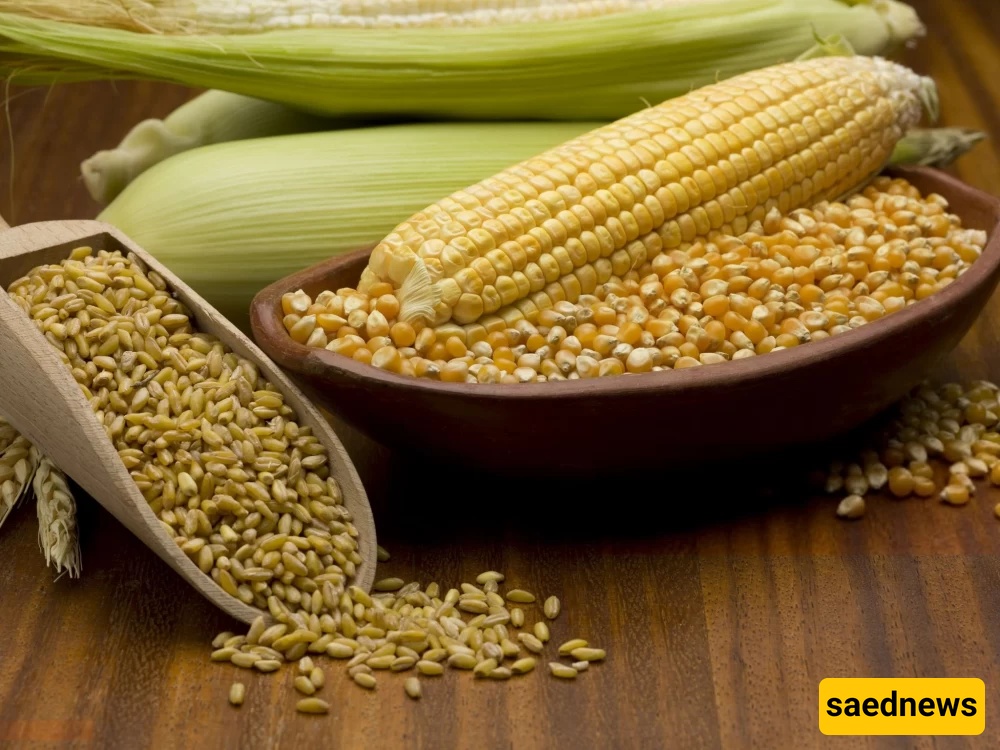
Yellow corn is often chosen when its bright color can enhance the appearance of a dish.
Yellow corn can be used in:
Salads: It adds a bright color to corn salads, Mexican-style salads, and mixed vegetable salads.
Soups and stews: It works well in corn soups and a variety of vegetable or meat-based dishes.
Mexican-inspired dishes: It is commonly used in tacos, burritos, nachos, and other recipes.
Popcorn: Yellow popcorn produces the familiar golden appearance when popped.
White corn is commonly used in:
Creamy soups: Its pale color works particularly well in smooth corn soups.
Traditional dishes: It can be combined with chicken, vegetables, and other ingredients.
White corn flour: It can be used to prepare tortillas, pancakes, breads, and other baked or cooked foods.
Asian-inspired dishes: White corn is used in a variety of Chinese and Korean-style recipes.
For dishes where visual presentation is important, yellow corn may be the more appealing choice because of its vibrant color.
For recipes where flavor and texture are more important than appearance, either yellow or white corn can work well. In most everyday recipes, the difference may be minimal.
Which Type Is Healthier?
Yellow corn contains lutein and zeaxanthin, carotenoids that are associated with maintaining healthy vision. Adequate dietary intake of these compounds may support long-term eye health.
The beta-carotene found in some yellow corn varieties can be converted by the body into vitamin A, which is important for normal vision and immune function.
The carotenoids and other plant compounds found in yellow corn contribute to its antioxidant profile and help protect plant cells from oxidative damage.
White corn is also nutritious and can be an excellent part of a balanced diet.
Its flavor can be relatively mild, making it suitable for recipes where a strong corn flavor is not desired.
The pale color can be preferable in dishes where a uniform or lighter appearance is important.
Although white corn contains fewer of certain carotenoids, it still provides carbohydrates, fiber, protein, vitamins, and minerals.
Yellow Corn vs. White Corn: The Bottom Line
The main difference between yellow and white corn is their color and the concentration of certain naturally occurring pigments.
Yellow corn generally contains more carotenoids, including beta-carotene, lutein, and zeaxanthin. This gives it a slight nutritional advantage in terms of these particular antioxidant compounds, especially when considering nutrients associated with eye health and vitamin A production.
However, white corn is also a nutritious food and can easily be included in a healthy, balanced diet.
When choosing between yellow and white corn, consider the type of dish you are preparing, your personal preference, freshness, and what is available.
If you want a vibrant color for salads and colorful dishes, yellow corn can be an excellent choice. If you prefer a milder appearance and flavor, white corn may suit your recipe better.
Ultimately, the color of the corn is not the most important factor. Both yellow and white corn can provide valuable dietary fiber, B vitamins, minerals, and other nutrients. Including corn as part of a varied and balanced diet can contribute to overall digestive, cardiovascular, and eye health.
So whether you choose yellow or white, fresh or frozen, enjoy corn as part of a nutritious and varied eating pattern.