Saed News: With increasing age, health undergoes many changes. Aging affects not only appearance and feelings but also the body’s nutritional needs. That is why taking certain supplements may seem necessary for older adults.
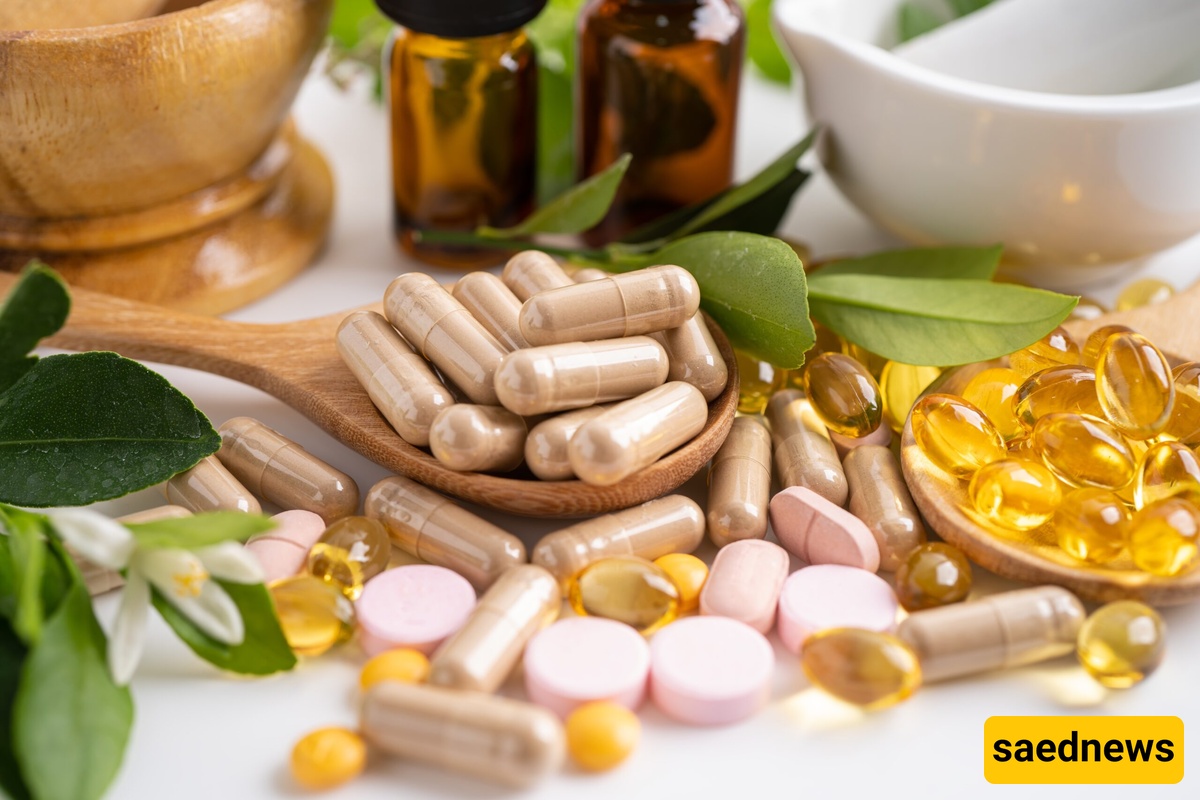
According to SAEDNEWS, taking supplements is not necessary for everyone, because people can meet their nutritional needs through a balanced and healthy diet. However, some individuals do need supplements—those whose nutrient absorption is reduced due to illness, those taking medications that increase the risk of deficiencies, or those who need physical support due to aging.
Dr. Mahan Mansouri, a specialist in sports medicine for the elderly, says the best supplements in middle age and older adulthood are recommended based on laboratory test results. For individuals without underlying conditions such as diabetes, hypertension, or kidney and liver diseases, calcium, vitamin B12, omega-3, and vitamin B3 are usually recommended.
He adds that the first recommended supplement for middle-aged to elderly individuals (of course, under medical supervision) is omega-3. This supplement helps heart health, reduces inflammation in the body, and improves cognitive functions such as problem-solving and mental processing speed. It is generally sold without a prescription in pharmacies and is relatively safe. However, if it is fish-based and someone has allergies, they should avoid it.
Mansouri also warns about the risks of taking supplements and vitamins without medical advice, stating that excessive intake can interfere with the absorption of other nutrients. For example, high doses of vitamin B can cause side effects and health problems.
He notes that excessive use of vitamin B12 and Neurobion is particularly common, as they are widely used for fatigue and energy. However, overuse may even alter blood test results or make thyroid function appear abnormal. For this reason, he recommends avoiding vitamin B supplements for one week before blood tests to ensure accurate results. He also warns that excessive vitamin B intake may potentially be linked to hypothyroidism.
He further points out that in Iran, people often buy and consume supplements directly from pharmacies without medical tests or professional advice. He emphasizes that supplements should only be taken after laboratory tests and consultation with a doctor or pharmacist.