SAEDNEWS: Jamaica is the third-largest island in the Caribbean. In this article, we will explore the culture, traditions, and customs of the Jamaican people.
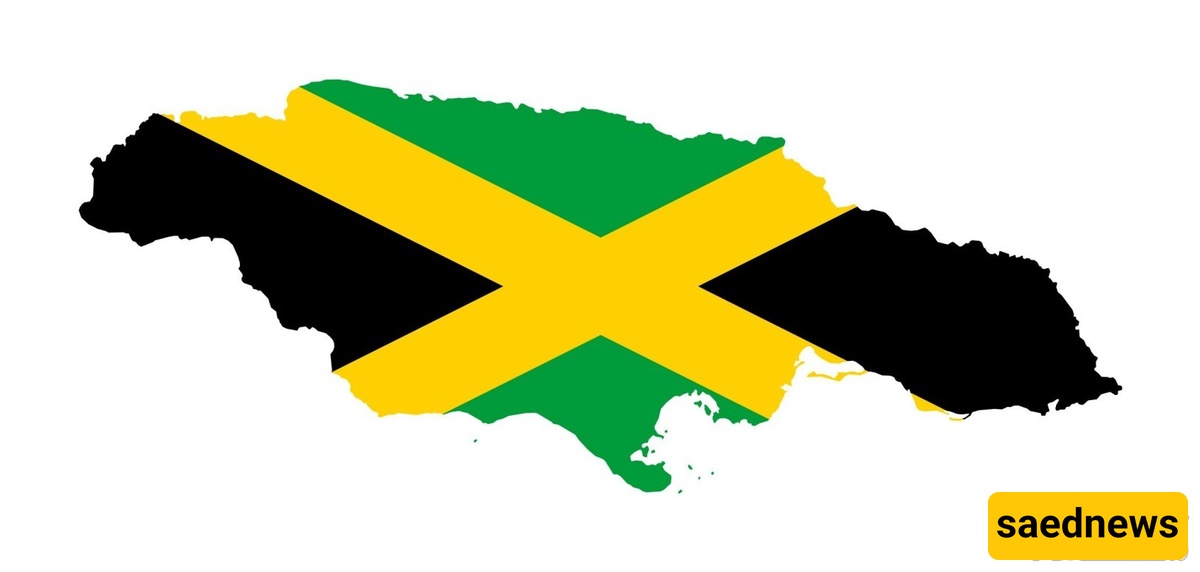
According to Saednews, Jamaica is a beautiful island nation in the Caribbean Sea, located south of Cuba and west of the island of Hispaniola. Covering approximately 10,990 square kilometers, it has a population of around 2.9 million people. Jamaica is the third most populous English-speaking country in the Americas after the United States and Canada. Its capital city is Kingston, the official currency is the Jamaican Dollar (JMD), and vehicles drive on the left side of the road. The majority of the population is of African descent, while the island's earliest inhabitants were the Arawak people, particularly the Taíno tribe.
According to census data, Christianity is the dominant religion in Jamaica, representing about 66% of the population. This includes approximately 62% Protestants, 2% Roman Catholics, and 2% Jehovah's Witnesses. Other religious communities include Rastafarians, Muslims, Buddhists, Hindus, and a small Jewish population. Around 21% of Jamaicans identify with no religious affiliation.
Rastafarianism is Jamaica's most well-known indigenous religious movement. Jamaican law guarantees freedom of religion and prohibits religious discrimination. While Rastafarians experienced discrimination in the past, government reforms since 2015 have improved their legal recognition and protection. Religious leaders from Christian, Muslim, and Jewish communities generally describe Jamaica as a country that respects religious diversity.
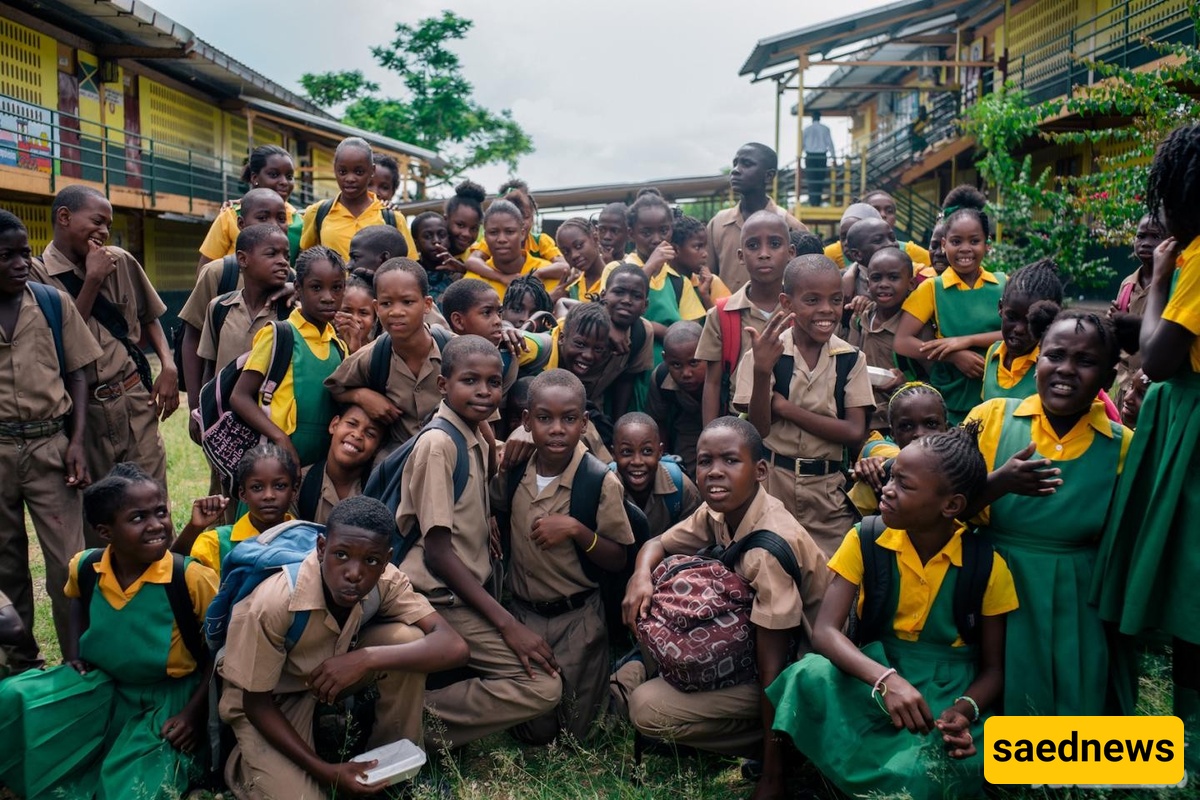
Jamaican culture is a vibrant blend of traditions, values, and lifestyles shaped by centuries of history and cultural exchange. The island's heritage began with the Taíno people before Spanish colonization introduced slavery. The British later took control of Jamaica, slavery was abolished on August 1, 1838, and the country gained independence from Britain on August 6, 1962.
The descendants of enslaved Africans became the dominant cultural influence, while later immigration from China and India added new customs, beliefs, foods, and traditions. These diverse influences shaped Jamaica's language, music, dance, religion, and social customs.
English is the country's official language and is used in government and formal settings. However, the national language spoken by most Jamaicans is Jamaican Patois, an English-based creole that reflects the island's rich cultural identity.
Many Jamaicans place great importance on intuition or "spirit." It is common for someone to believe that their spirit tells them whether another person can be trusted or whether a friendship will succeed. If events later prove them right, they may remark that they "knew it all along."
Some people also believe that negative energy or bad luck can surround certain individuals. While these beliefs are part of traditional folklore, many modern Jamaicans view them simply as cultural traditions rather than literal truths.
Belief in magic and supernatural practices remains part of Jamaican folklore. Some people distinguish between "white magic," believed to bring good fortune, and "black magic," thought to cause harm or misfortune.
Another traditional belief is that the spirits of the deceased remain on earth for nine days after death. During this period, families often gather for lively nighttime ceremonies featuring music, drumming, storytelling, and dancing. These gatherings are believed by some to help the departed spirit move peacefully into the afterlife.
Although many Jamaicans no longer believe in these traditions, stories about magic and supernatural events continue to appear in local folklore and popular culture.
Jamaican clothing is colorful, comfortable, and suited to the island's tropical climate. Women often wear traditional handmade dresses, skirts, blouses, and headscarves made from lightweight fabrics. Short-sleeved clothing is common because of the warm weather.
Men typically wear shirts and trousers made from natural, breathable materials. Business attire is generally relaxed compared to many other countries, with sport coats or lightweight jackets worn mainly for formal social events.
Women in Jamaica have made significant achievements in education and professional careers. Female participation in higher education is high, and women hold leadership positions across many industries. In several sectors, women's representation in management is comparable to that of developed nations.
A common stereotype portrays Jamaican men as easygoing, reflected in the popular attitude of "take it easy." However, they are also widely recognized for their hard work and determination. A traditional Jamaican saying describes the Jamaican man as "a passionate lover and a hardworking laborer."
Wedding ceremonies in Jamaica often place the bride at the center of planning. She usually has significant influence over decisions such as the guest list, venue, schedule, and menu, while the groom plays a smaller role in organizing the event.
Traditionally, wedding guests contribute gifts that help cover the costs of the celebration and, in some cases, even the honeymoon. Many weddings are held in churches, followed by lively receptions at family homes. Today, however, beach weddings and elegant hotel ceremonies have become increasingly popular.
Jamaicans are widely known for being warm, generous, and welcoming. Friendships often extend beyond immediate family, creating strong community bonds. It is common for close family friends to be addressed as "aunt" or "uncle," even without any biological relationship.
These close social networks create an informal support system where people help one another during times of need, strengthening the sense of community across the island.
The island was originally called Xaymaca, meaning "Land of Wood and Water," by the Taíno and Arawak peoples who settled there around 650 AD. Around the 15th century, the Carib people also arrived from South America. Christopher Columbus reached Jamaica during his second voyage in 1494, after which Spain claimed the island. Britain later took control, making Jamaica its first Crown Colony in the Caribbean governed directly by the British government. Jamaica eventually abolished slavery in 1838 and achieved full independence on August 6, 1962.
Today, Jamaica is celebrated worldwide for its rich cultural heritage, religious diversity, colorful traditions, vibrant music, welcoming people, and unique blend of historical influences that continue to shape the nation's identity.