SAEDNEWS: Unlike vinegar pickles, fermented pickles are made with brine and the activity of lactic acid bacteria. The result is a flavorful, crisp food naturally rich in probiotics that may support digestive health.
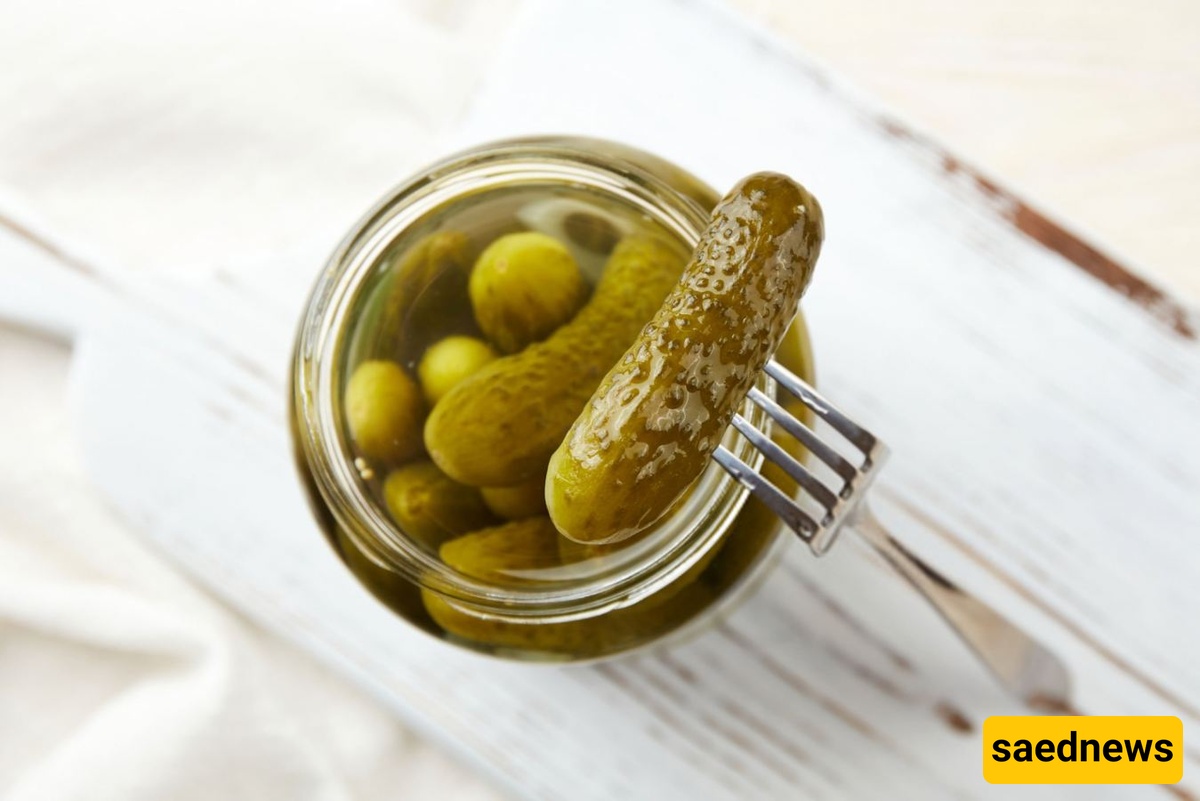
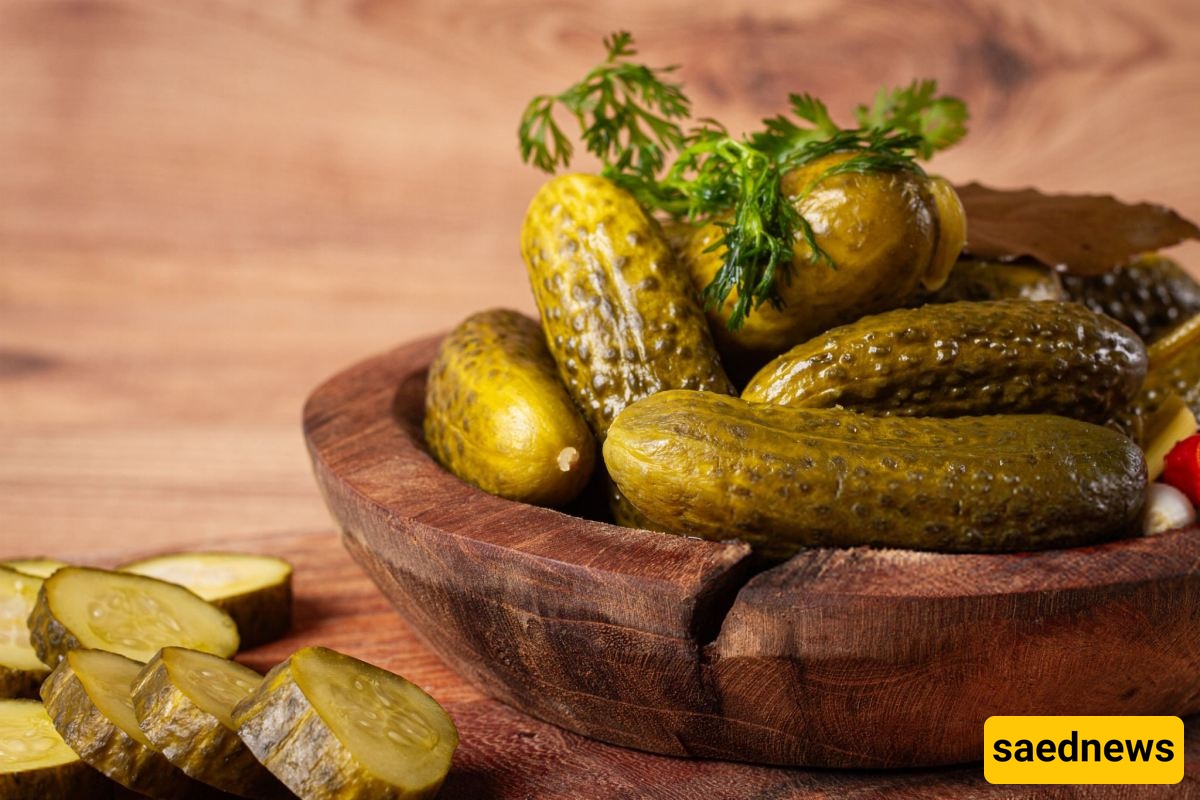
According to Saednews, Fermented pickles are cucumbers in which the souring process occurs through lactic acid fermentation. In this method, cucumbers are submerged in a saltwater solution, or brine, where naturally occurring lactic acid bacteria convert the sugars in the cucumbers into lactic acid.
The result is a pickle that:
Has a balanced salty and pleasantly sour flavor
Maintains a crisp, firm texture
Retains its natural bright green or olive-green color
May contain beneficial live microorganisms when kept unpasteurized
The key distinction is that lactic acid is responsible for the sourness in fermented pickles, rather than the acetic acid found in vinegar. This seemingly small difference can significantly affect flavor, aroma, texture, and nutritional characteristics.
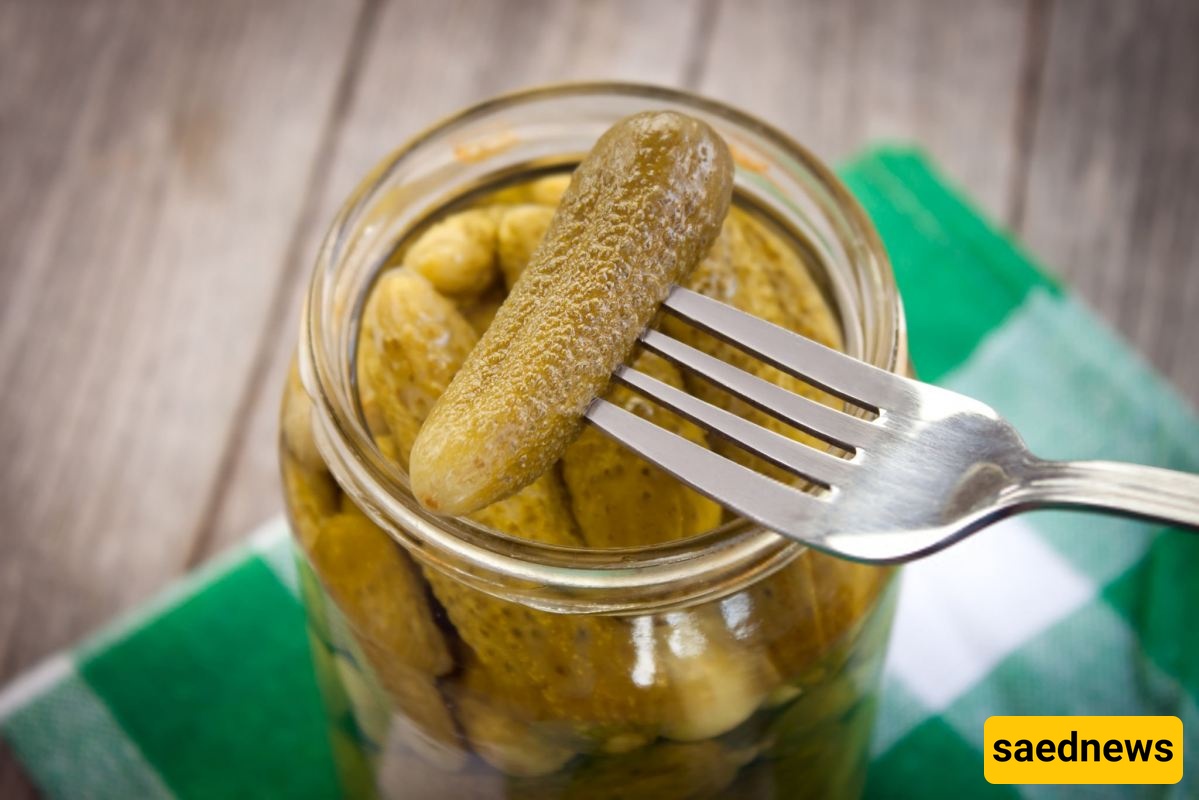
The main difference between these two types of pickles lies in how they are prepared and what causes their acidity.
Feature | Fermented Pickles | Vinegar Pickles |
|---|---|---|
Preparation | Natural fermentation in brine | Vinegar is added directly |
Source of acidity | Lactic acid bacteria | Acetic acid from vinegar |
Flavor | Generally milder and more complex | Sharper and more pronounced |
Texture | Often crisper when properly prepared | Can become softer |
Preparation time | Usually several days to several weeks | Often much faster, from hours to a few days |
Probiotics | May contain live microorganisms when unpasteurized | Generally not considered a significant probiotic source |
Acidity control | Depends on the fermentation process | Controlled primarily by the amount and concentration of vinegar |
In vinegar pickles, vinegar rapidly increases the acidity of the environment, preventing the natural fermentation process from developing in the same way. The final product is sour, but it does not have the same characteristics associated with naturally fermented pickles.
Importantly, fermented pickles do not require vinegar. Cucumbers, water, and salt create an environment in which lactic acid bacteria can grow and produce acid naturally.
Cucumber and vegetable fermentation has a history stretching back thousands of years. Archaeological evidence indicates that ancient civilizations in Mesopotamia, Egypt, and China used brine and other preservation methods to extend the shelf life of vegetables.
In Iran, fermented pickles and brined vegetables have also been part of culinary traditions for generations, ranging from pickled cucumbers and salted cabbage to various regional fermented vegetables.
Historical accounts and popular food traditions have even associated pickles with Cleopatra, while Roman soldiers and later European sailors are often said to have carried fermented pickles as preserved foods and sources of vitamin C. These traditions illustrate how fermentation developed not only as a preservation technique but also as a practical way to maintain food over long periods.
Beyond being a flavorful condiment, fermented pickles can be considered a type of functional food, particularly when they contain live microorganisms.
Live microorganisms found in properly fermented foods may contribute to a diverse gut microbiome. Fermented foods can therefore be incorporated into a balanced diet as one potential source of beneficial microorganisms.
The digestive system and immune function are closely connected. Including a variety of fermented foods in the diet may support overall gut health, which plays an important role in normal immune function.
Unlike high-heat preservation methods, fermentation does not rely on prolonged heating. Some nutrients can therefore be retained during the process, although the exact nutritional profile depends on the ingredients and fermentation conditions.
Organic acids produced during fermentation may influence how quickly certain foods are digested and may affect post-meal blood glucose responses. However, fermented pickles should not be considered a treatment for blood sugar disorders.
The complex salty, sour, and aromatic flavor of fermented pickles can add depth to meals without requiring additional table salt. However, fermented pickles themselves can contain substantial amounts of sodium.
Important: Because pickles can be high in sodium, people who need to limit their sodium intake should consume them in moderation.
To prepare approximately 2 kilograms of fermented pickles, you will need:
2 kg fresh green cucumbers, preferably small pickling cucumbers
2 liters chlorine-free water, such as boiled and cooled water
80–100 g non-iodized salt without anti-caking or anti-mold additives
5–6 peeled garlic cloves
Grape leaves, oak leaves, or cherry leaves to help maintain firmness
Dill, tarragon, fennel, or fresh mint for aroma
Red chili peppers or mustard seeds, optional
A sterilized wide-mouth glass jar
A glass fermentation weight or a small sealed bag filled with brine to keep the cucumbers submerged
Wash the cucumbers thoroughly and remove the blossom ends. The blossom end can contain enzymes that contribute to softening, so removing it can help preserve a crisp texture.
Bring the water to a boil and dissolve the salt in it. Allow the brine to cool completely before using it.
A brine concentration of approximately 5% salt is commonly used for this style of fermentation.
Place the herbs and spices at the bottom of the jar. Pack the cucumbers tightly, then add the garlic and grape leaves between them.
Pour the cooled brine over the cucumbers until they are completely submerged. Leave at least 2 cm of headspace at the top of the jar.
Use a fermentation weight or a sealed bag filled with brine to keep the cucumbers below the surface of the liquid. Keeping the vegetables submerged helps reduce exposure to oxygen.
Close the lid loosely so that gases produced during fermentation can escape. Keep the jar at approximately 18–22°C, away from direct sunlight.
Check the jar each day. If necessary, briefly loosen or open the lid to release accumulated gas and inspect the liquid and cucumbers.
After approximately 10–21 days, depending on temperature and personal taste, the pickles may reach the desired level of fermentation. They should have a pleasantly sour and salty flavor.
Once fermentation has reached the desired stage, close the jar tightly and transfer it to the refrigerator.
This can be associated with old or poor-quality cucumbers, unsuitable water, iodized salt, or leaving the blossom ends attached. Use fresh cucumbers, appropriate salt, and remove the blossom ends before fermentation.
If cucumbers are not kept submerged, surface mold can develop. A thin white film can sometimes be yeast rather than mold, but fuzzy or unusually colored mold is a sign that the product may have spoiled. When there is significant visible mold, an unusual odor, or other signs of spoilage, it is safer to discard the product.
Excessive temperatures or an unsuitable salt concentration can contribute to quality problems. Keeping the fermentation environment within the recommended temperature range can help.
This may indicate an undesirable fermentation or contamination. If the product develops an unusual smell, appearance, or other signs of spoilage, discard it rather than consuming it.
Fermented pickles are useful for much more than garnishing a plate. They can be used to:
Add deeper flavor to Olivier salad
Make remoulade and specialty sandwich sauces
Serve alongside cheese, bread, and fresh vegetables
Add fermented brine to salad dressings
Incorporate into certain probiotic-style beverages where appropriate
Serve with meat dishes to provide a sharp, acidic contrast to rich flavors
Fermented pickles are made through a natural process in which lactic acid bacteria transform cucumber sugars into lactic acid. Compared with vinegar-preserved pickles, they develop their acidity through fermentation rather than the direct addition of vinegar.
When prepared under appropriate conditions, fermented pickles can offer a distinctive combination of tangy flavor, crisp texture, and live microorganisms. The process takes more time than vinegar pickling, but it creates a characteristic fermented flavor that cannot be reproduced simply by adding vinegar.