SAEDNEWS: If you’ve recently started the ketogenic diet, you may be wondering whether peanut butter is keto-friendly and how it fits into your daily carb intake. In this guide, we’ll look at how suitable peanut butter is for a keto diet, how many carbohydrates it contains, and the best ways to include it in a low-carb eating plan.
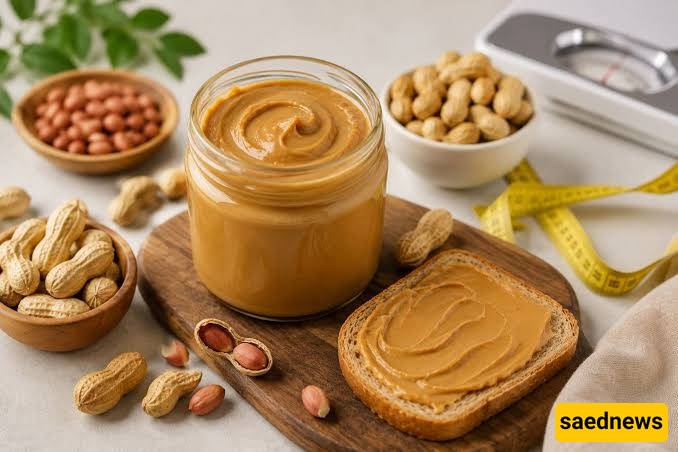
According to Saednews, If you have recently started a ketogenic diet, you have probably asked yourself at least once: Is peanut butter suitable for keto? What role does peanut butter play in a ketogenic diet? Keep in mind that peanut butter can be enjoyed in moderation as part of a healthy eating plan. On a keto diet, you can pair it with vegetables such as celery sticks or low-carb fruits such as berries for breakfast or a snack.
However, it is best not to overeat peanut butter because it is relatively high in calories, and excessive consumption may contribute to weight gain. Two tablespoons of pure peanut butter contain approximately the following nutrients:
Nutrient | Amount |
|---|---|
Total fat | 16 g |
Potassium | 208 mg |
Carbohydrates | 6 g |
Fiber | 2 g |
Protein | 8 g |
If you do not keep your peanut butter intake in balance, its net carbohydrate content can become a challenge for a strict keto diet. With approximately 15.23 grams of net carbohydrates per 100 grams, eating too much peanut butter can quickly use up a significant portion of your daily carbohydrate allowance if you follow the commonly recommended keto range of 20–50 grams of carbohydrates per day.
However, this does not necessarily mean that peanut butter needs to be completely removed from your diet. If you choose to eat it, simply pay attention to your overall daily carbohydrate intake. One practical strategy is to use a food-tracking app. This can help you monitor your daily carbohydrate intake more accurately. These tools typically allow you to record the foods you eat throughout the day and keep your macronutrient intake properly balanced.
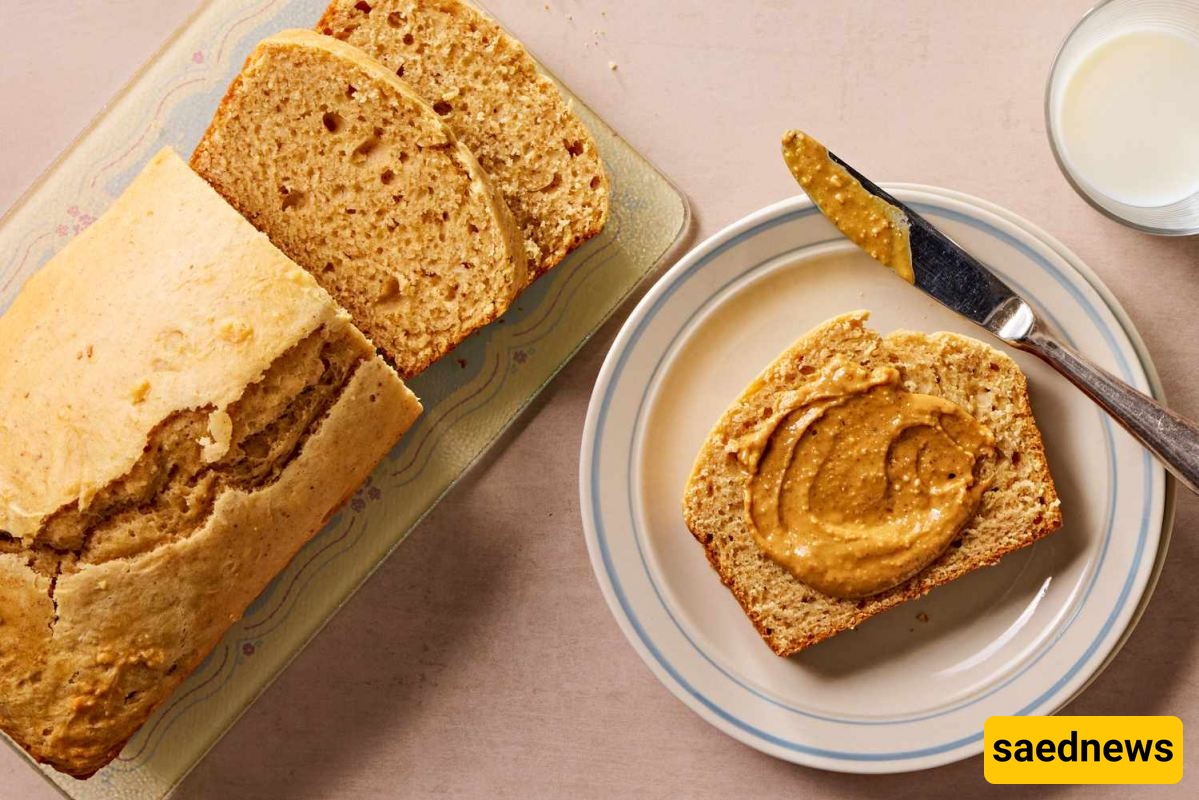
The relatively low carbohydrate and sugar content of peanut butter allows people following a ketogenic diet to include it in their meal plan and benefit from its nutritional properties. Some of the ways peanut butter can contribute to overall nutrition include:
A source of protein: Peanut butter provides protein, with approximately 25 grams per 100 grams. Protein is an essential nutrient involved in several bodily functions, including maintaining and repairing muscles and tissues. It can also contribute to a feeling of fullness, which may be helpful in different eating plans, including keto.
A source of healthy fats: Peanut butter contains both saturated and unsaturated fats. Dietary fats provide energy and also support processes such as vitamin absorption and hormone production.
Vitamins, minerals, and antioxidants: Peanut butter contains various nutrients, including vitamin E and magnesium, as well as antioxidant compounds that support important functions in the body, including normal nervous-system and muscle function.
The key to including peanut butter in a ketogenic diet is moderation. Here are some simple ways to incorporate it into your meals and snacks:
Spread peanut butter over low-carb pancakes or celery sticks for a tasty snack. Celery with peanut butter is a popular keto-friendly snack.
Combine peanut butter with low-carb fruits such as berries to create a simple, keto-friendly dessert.
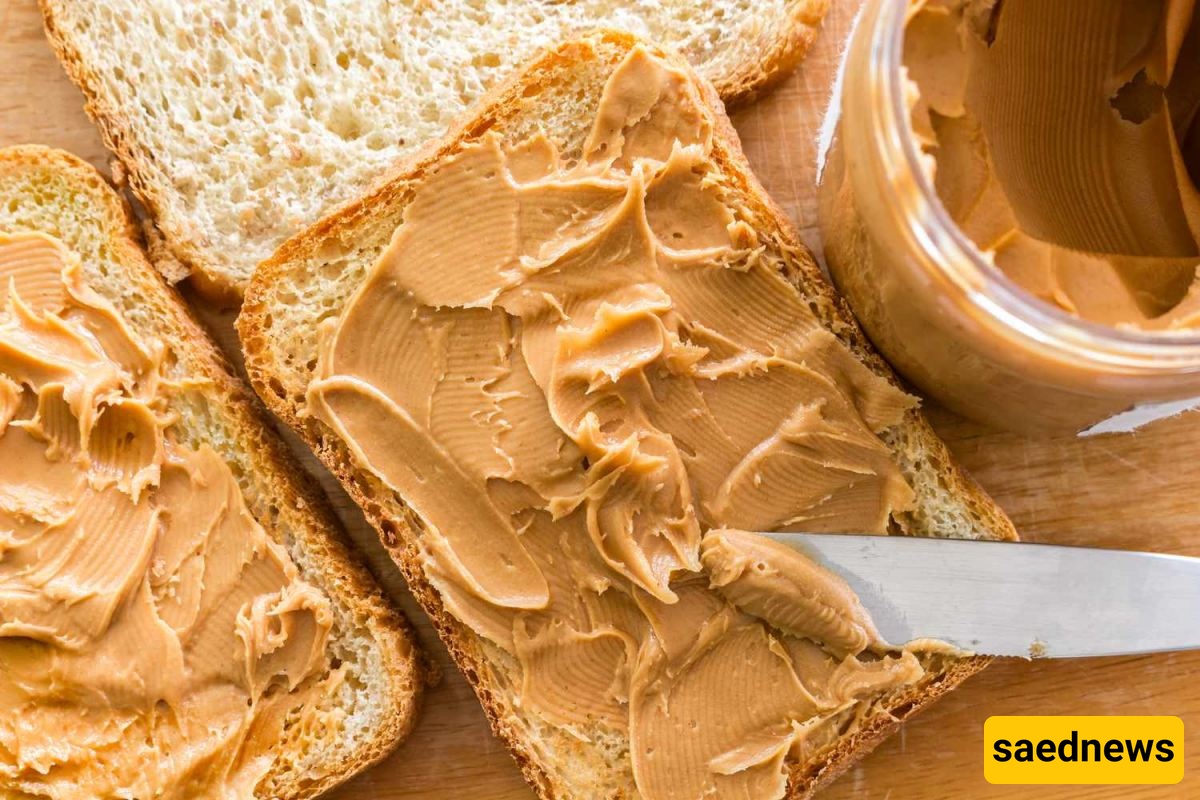
Nut butters are often suitable for a ketogenic diet because many varieties are relatively low in carbohydrates, and peanut butter is certainly not the only option. Cashew butter, almond butter, sunflower seed butter, and walnut butter can also be incorporated into a keto meal plan.
Among these options, walnut butter, almond butter, and macadamia nut butter generally contain fewer carbohydrates and may fit a low-carb or keto diet more easily than peanut butter.
Many people following a ketogenic diet consume around 20–50 grams of carbohydrates per day. Someone eating three meals a day might therefore aim for roughly 15 grams of carbohydrates per meal, depending on their individual dietary plan.
To determine whether a food fits your keto diet, check its nutrition facts and ingredient list. Keto-friendly products generally contain no added sugar and have a relatively low amount of naturally occurring sugar. Their total carbohydrate content should also fit within your individual daily carbohydrate target.
Pure peanut butter, particularly varieties with no added sugar, can be a keto-friendly food because it provides relatively low carbohydrate content along with fiber, protein, and fat.