SAEDNEWS: National Gallery Prague (Czech: Národní galerie v Praze) is the Czech Republic’s national art gallery, located in Prague. It houses one of the most extensive collections of classical and modern European art in Central Europe.
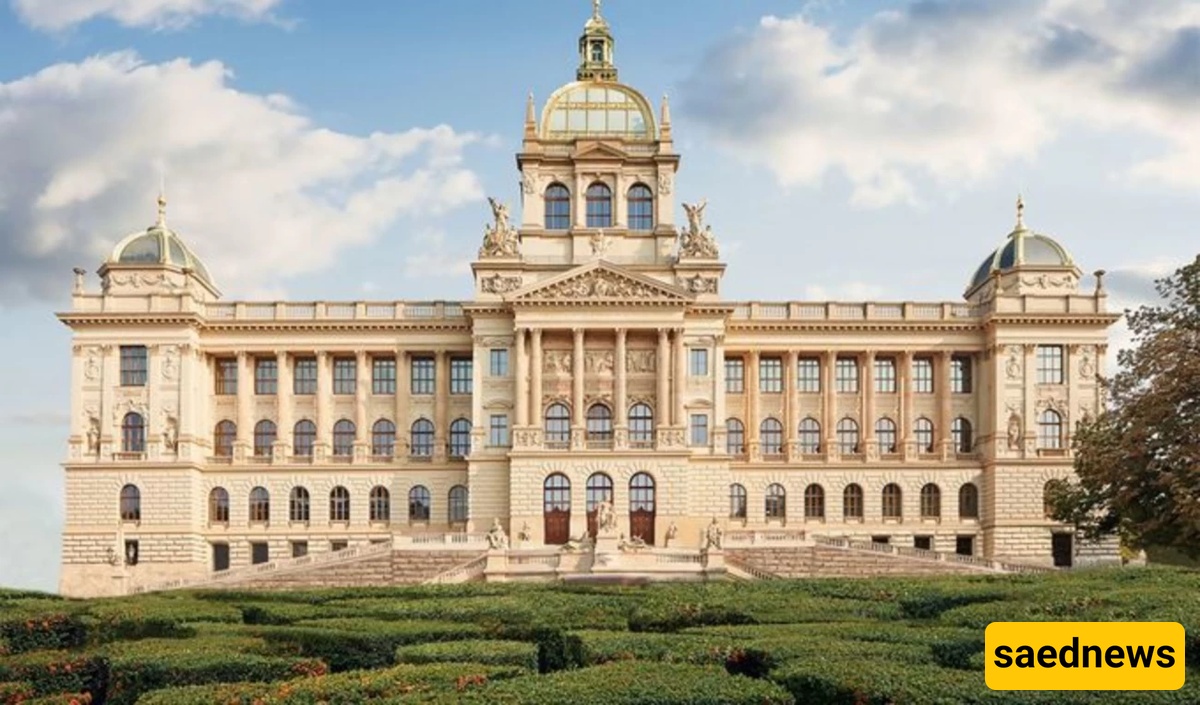
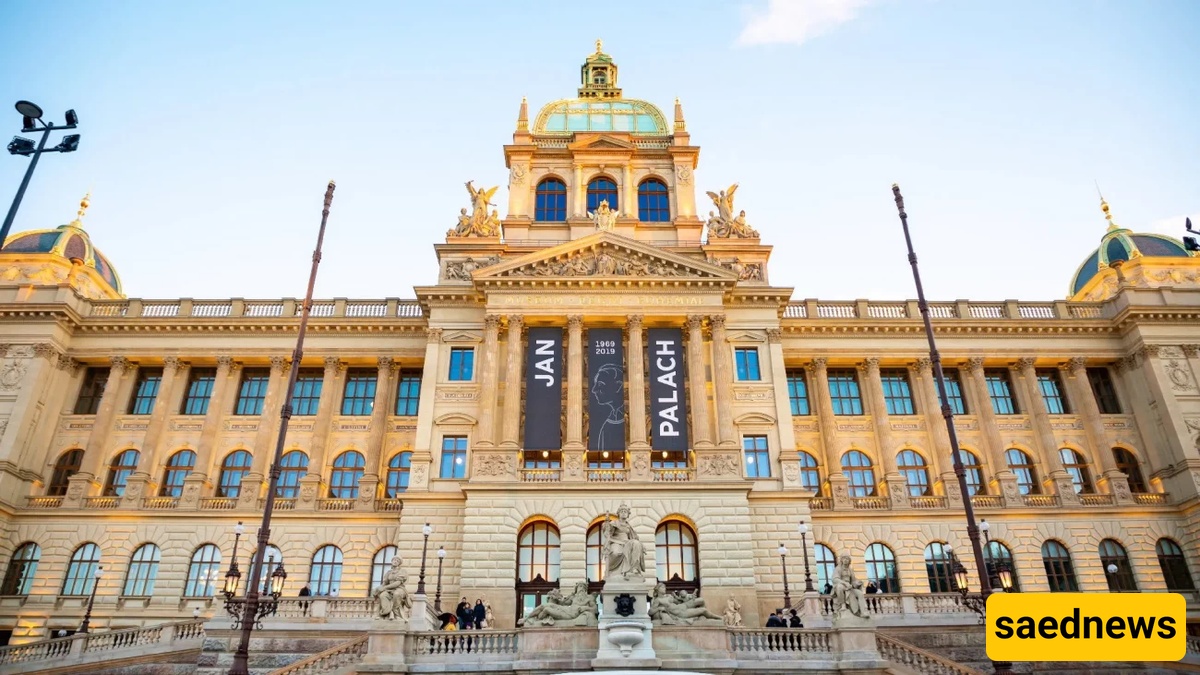
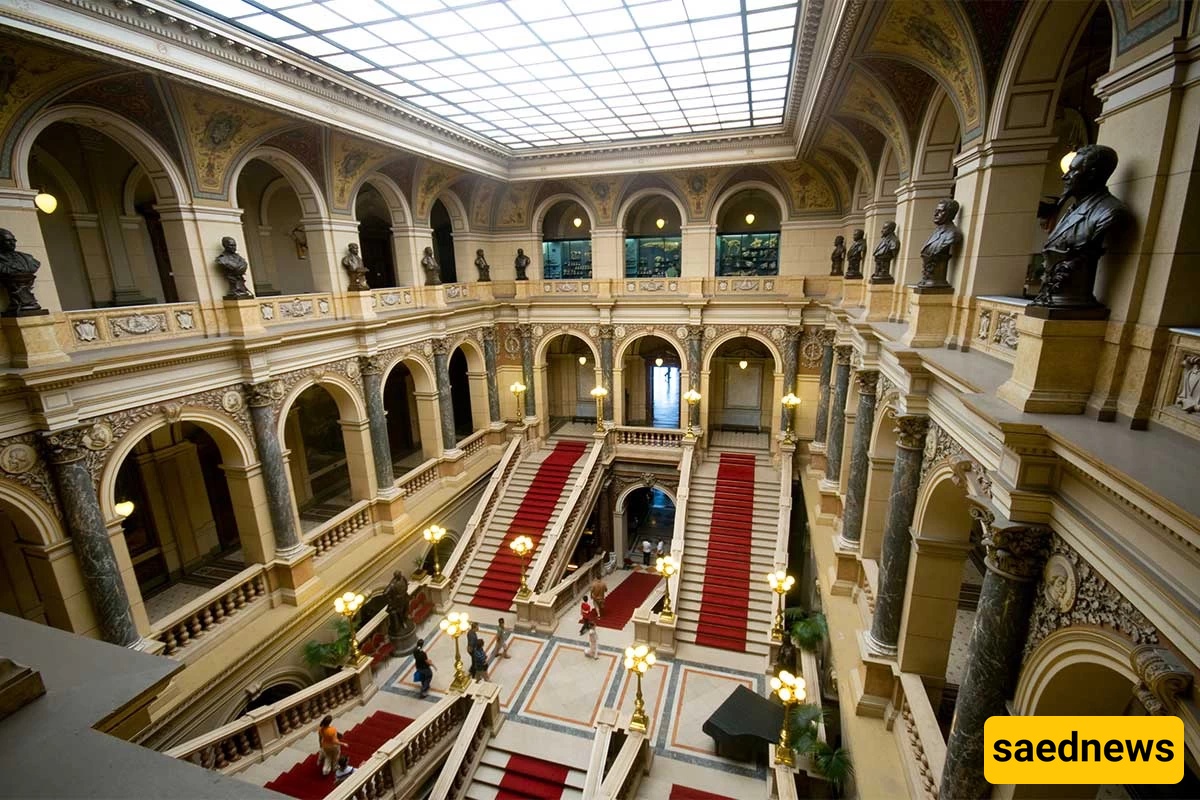
According to Saednews, The Prague National Museum is one of the city’s most famous and impressive attractions, prominently located above Wenceslas Square.
Museums do more than preserve historical, cultural, and artistic objects. They also research human heritage, the environment, and surviving evidence of past civilizations. In doing so, they help visitors understand the connections between different collections and gain a deeper appreciation of cultural heritage.
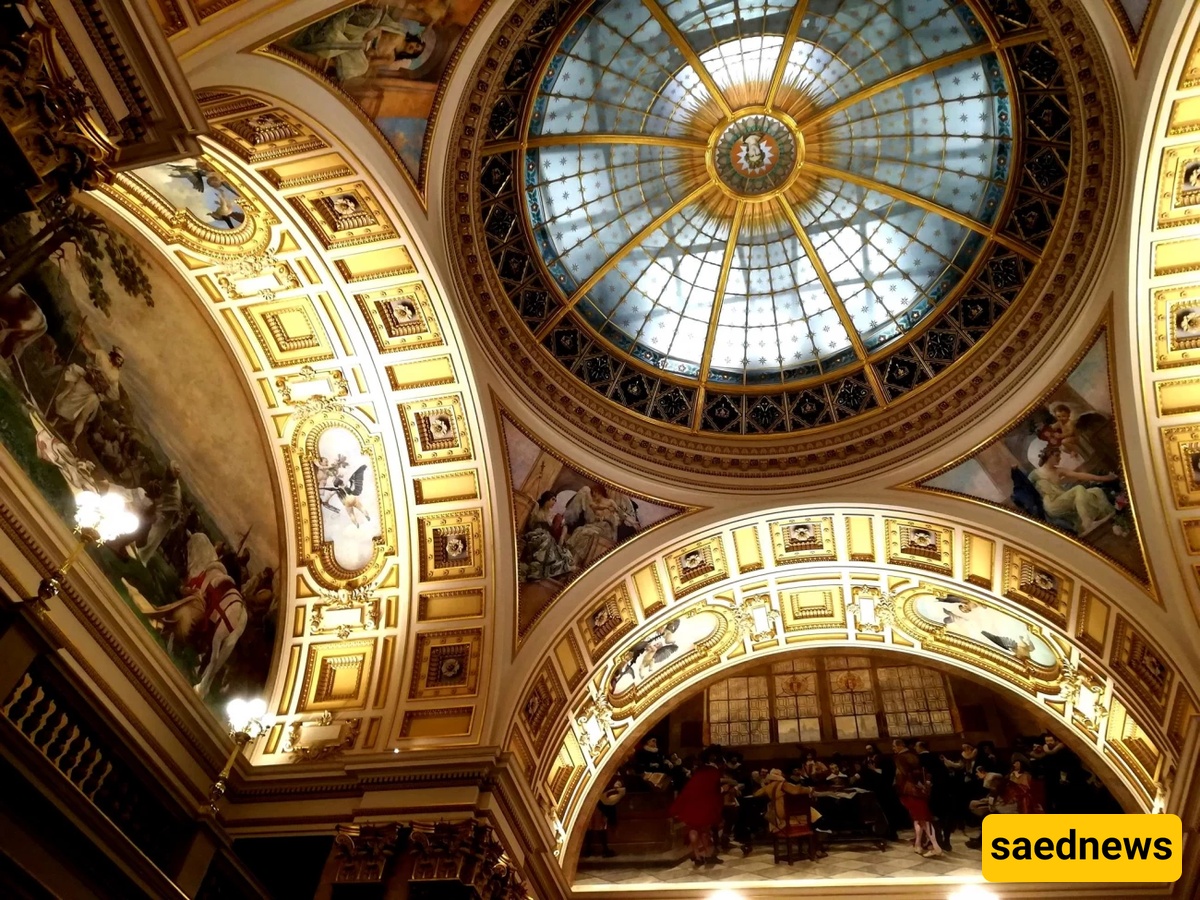
The National Museum in Prague is one of the largest museums in the Czech Republic and among the most significant museum institutions in the world. It was originally established in the early 19th century at the Sternberg Palace. As the collection expanded and more valuable objects were acquired, the museum’s main activities were eventually moved to the monumental building that serves as its principal headquarters today.
The museum consists of several specialized institutions, broadly divided into historical, natural-history, and library collections. It includes six major buildings and houses around 14 million valuable objects, including artifacts and historical materials dating back as far as the 10th century and documenting the history of the Czech lands.
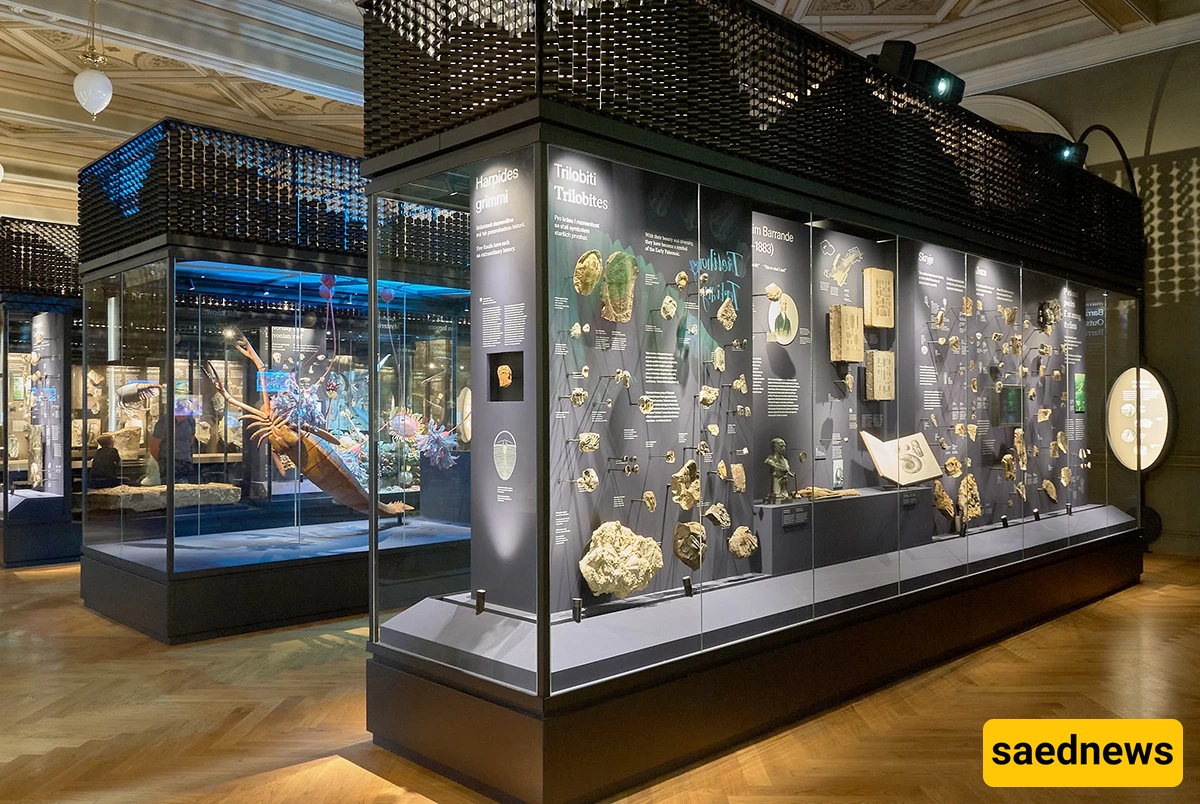
The museum is divided into numerous specialized sections. The Natural History Museum, for example, includes archaeology, mineralogy, zoology, microbiology, entomology, botany, anthropology, and scientific laboratories. These departments contain remarkable collections, with the entomological section alone holding approximately five million specimens.
The History Museum is divided into six major areas covering ancient and modern Czech history, ethnography, the museum archives and national documentation, numismatics, and theatre. Visitors can discover jewelry, paintings, wooden sculptures, weapons, and many other historical objects throughout these collections.
The ancient and modern Czech history collections contain a rich selection of archaeological artifacts that were used thousands of years ago. Among them are painted vessels, glass objects, and artifacts associated with different periods, ranging from the Neolithic era through the first millennium BC.
The museum’s historical collections present the development of the Czech state and society, from Slavic culture in the 10th century through the establishment of independent Czechoslovakia in 1918.
The Theatre Department is originally connected with the museum’s library collections. It contains extensive materials documenting the history of theatre in Czechoslovakia, including costumes designed by prominent Czech artists, musical materials, theatrical memorabilia, and examples related to Czech puppet theatre.
The museum library also preserves some of the rarest charts, manuscripts, and written documents from Czech history, spanning the 11th to the 20th centuries. Many fragile historical materials have been digitally preserved to ensure their long-term protection. The collection includes personal written materials belonging to important Czech historical figures, as well as an extensive collection of approximately 3,000 valuable seals.
Among the museum’s most notable treasures are a 12th-century silver ducal ring, historic paving tiles, Gothic and Renaissance stonework, valuable Rosenberg embroidery dating from the 14th century, Bohemian glass collections from the 18th and 19th centuries, painted portraits, and miniature paintings.
The main building of the National Museum was closed for extensive renovation between 2011 and 2018 following years of damage and deterioration. During the restoration, approximately seven million museum objects were transferred to other locations. The enormous relocation was considered one of the largest movements of museum collections in Czech history.
During the COVID-19 pandemic, the National Museum also organized an exhibition dedicated to masks created during the health crisis.
The Czech Republic was among the first countries to make wearing masks outside the home mandatory. As the pandemic spread and factory-produced masks became difficult to obtain, many people began making their own masks at home.
The small exhibition featured a selection of masks chosen from hundreds submitted by members of the public. Some featured colorful and cheerful designs, while others displayed the Czech national flag. Several masks were created by children with autism, adding a personal and human dimension to the exhibition.
Today, the Prague National Museum remains an important cultural destination for anyone interested in Czech history, archaeology, art, science, nature, and national heritage.