SAEDNEWS: Italy’s Best Tourist Attractions, Historic Sites, and Beautiful Places to Visit
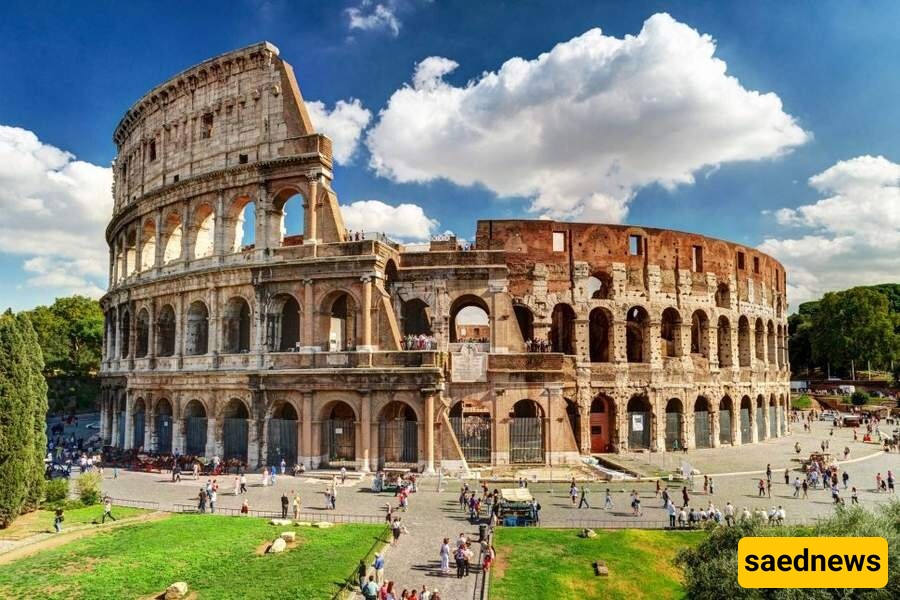
According to Saednews, The Colosseum, also known as the Coliseum, was one of the grandest and largest Roman amphitheatres in history. It witnessed some of the most brutal events of ancient Rome, including the slaughter of enslaved people and Christians. It was also the famous arena where gladiators fought for their lives in ancient Rome. Today, the Colosseum still stands in the city of Rome, Italy.
The Colosseum was built around 70 AD. This magnificent structure hosted bloody gladiatorial battles to the death, which were among the daily entertainments enjoyed by Roman emperors and aristocrats. Thousands of gladiators lost their lives in this arena.
The Colosseum is an amphitheatre in Rome that once accommodated more than 50,000 spectators. Its architectural framework, featuring kilometres of covered passageways and long staircases, represents a remarkable achievement in engineering and architecture. It was designed to allow large crowds to enter and leave the arena easily and efficiently.
Both barrel vaults and cross vaults were used in the construction of the Colosseum. Cross vaults were created by the intersection of two barrel vaults at right angles.
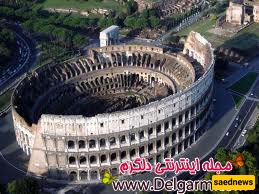
The Colosseum is historically significant for two main reasons. First, it represents one of the earliest examples of a major public entertainment venue in architectural history, built for the enjoyment of ordinary people rather than an exclusive social class. Second, an early form of concrete, which paved the way for modern concrete, was used in its construction.
These two features are closely connected. Accommodating large numbers of people in a covered space required advanced construction technology capable of spanning wide areas. At that time, roofing techniques had not yet developed sufficiently to cover such large spaces. The development and use of a strong construction material made this architectural achievement possible.
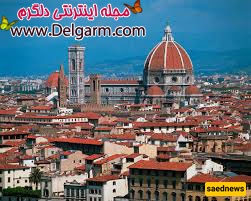
The Historic Centre of Florence (Italian: Centro storico di Firenze) is a district located in the city of Florence, Italy. It forms Florence's first administrative district and was designated a UNESCO World Heritage Site in 1982.
UNESCO describes this area as a treasure trove of artistic and architectural masterpieces, created during Florence's Golden Age, when the city experienced significant economic and commercial growth.
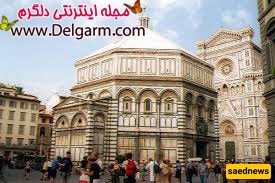
Some of its most remarkable landmarks include Florence Cathedral, Giotto's Bell Tower, the Basilica of San Giovanni, Palazzo Medici, the Basilica of San Lorenzo, the San Marco Museum, Michelangelo's statue of David, and the Baptistery of San Giovanni.
Rome is one of Europe's leading tourist destinations. It is the ancient city of the Roman Empire, a city of sculptures and churches, and the city of Michelangelo and Leonardo da Vinci. Visiting Rome is like exploring the world's largest open-air museum.
Rome is internationally known for its thousands of years of history, Italian culture, warm-hearted people, pizza, pasta, gelato, street vendors, and magnificent churches. It is often called the Eternal City.
Beautiful, vibrant, and full of winding streets, Rome attracts tourists throughout the year thanks to its pleasant climate. Its constant flow of visitors and ancient historical monuments give the city its timeless and eternal character.
The Historic Centre of Rome is a UNESCO World Heritage Site. Simply getting off a bus, taxi, or metro near Via del Corso, a long and narrow street in the historic part of Rome, allows visitors to experience the city's unique atmosphere.
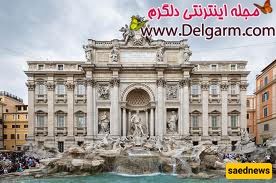
The street is surrounded by narrow alleyways leading to small Roman squares known as piazzas. Many of Rome's most famous attractions are located within walking distance of this street.
While exploring the city's streets and alleyways, remember to look up at the tops of buildings and churches. Everywhere you turn, you will find beautiful and unusual sculptures filled with stories, created by renowned Italian artists such as Michelangelo, Leonardo da Vinci, Bernini, and Algardi.
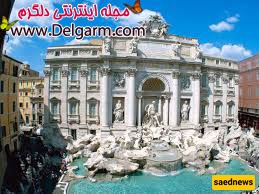
Perhaps no other city in the world contains such a remarkable concentration of sculptures and artistic masterpieces as Rome. Its historical and artistic treasures, scattered throughout the city, combine with its distinctive atmosphere to create an experience rarely found in other European cities.