SAEDNEWS: Galle Fort is a historic Dutch fortress located in the city of Galle, in southwestern Sri Lanka. Built by the Dutch in the 17th century, it is one of the largest and best-preserved Dutch forts in the world.
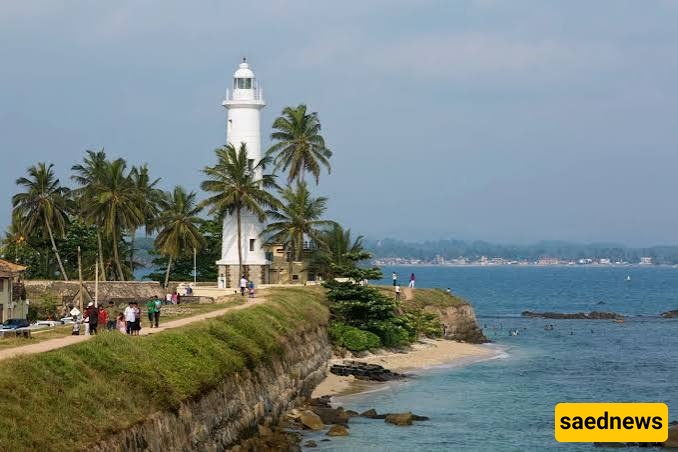
According to Saednews: Galle Fort is a historic, archaeological, and architectural heritage site located in the southern coastal city of Galle, Sri Lanka. Originally built by the Portuguese in 1588, the fort was extensively fortified and expanded by the Dutch during the 17th century. Thanks to extensive restoration and conservation work carried out by Sri Lanka’s Department of Archaeology, the fort has retained much of its historic character and impressive appearance for more than four centuries.
Today, Galle Fort is a vibrant and colorful area with a multi-ethnic and multi-religious community. Its outstanding heritage value has been internationally recognized by UNESCO, making it one of Sri Lanka’s most important cultural landmarks.
Galle Fort is also commonly known as the Dutch Fort or the Ramparts of Galle. The massive fortifications famously withstood the devastating Indian Ocean tsunami of 2004, although parts of the surrounding coastal area were severely affected. The site was subsequently restored and continues to be one of the country's best-preserved historic attractions.
Galle Fort is located in the city of Galle, on the southwestern coast of Sri Lanka. It occupies a strategic position beside Galle Bay and has historically played an important role in maritime trade and defense.
The name “Galle” has been associated with several possible origins. One theory connects it to the Portuguese word “Galo,” meaning “rooster,” while another links it to a Sinhalese word referring to cattle or a place where cattle gather.
Galle Fort is one of the most important historical landmarks in Sri Lanka and has played a significant role in the country's past. Over the centuries, it was used and controlled by the Portuguese, Dutch, and British, witnessing important events during the colonial era.
The fort was also a major commercial center and an important gateway for international trade. Due to its strategic coastal location, Galle became a key port connecting Sri Lanka with traders and travelers from different parts of the world.
In addition to its military and commercial importance, Galle Fort developed into an important cultural and religious center. The area contains several historic churches, mosques, temples, and other significant buildings reflecting the diverse communities that have lived there.
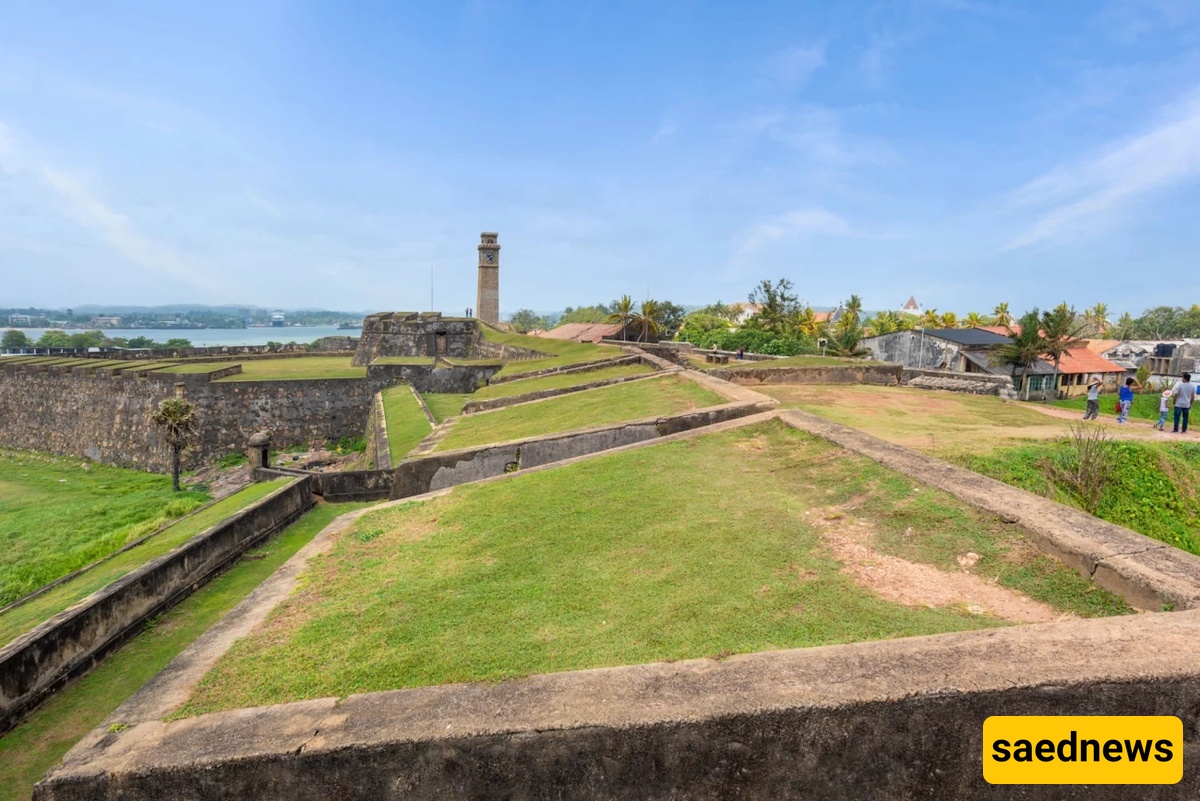
Galle Fort stands in a strategic location beside Galle Bay and is known for its impressive and distinctive architecture. The fort is surrounded by high, strong defensive walls, bastions, and ramparts designed to protect the settlement from attacks. Several historic gates provide access to the interior of the fort.
The architecture of Galle Fort reflects a fascinating combination of European and South Asian influences. Portuguese and Dutch architectural elements are particularly prominent, while later British influence can also be seen in parts of the historic town.
The fort features a variety of architectural styles, including elements associated with Baroque, Renaissance, and Gothic traditions. Its well-preserved streets, colonial-era buildings, defensive structures, and oceanfront ramparts make it one of the most visually impressive historic destinations in Sri Lanka.
Located within the historic fort, the museum displays objects and exhibits related to the history of Galle and its colonial past.
Several important churches and religious buildings can be found within and around the fort, representing the region's long religious and cultural history.
The Galle Fort area is home to significant Muslim, Buddhist, and other religious sites that reflect Sri Lanka's multicultural heritage.
Local markets in and around Galle offer visitors the opportunity to experience local products, food, crafts, and everyday life.
The Galle region has several beautiful beaches and coastal areas that are among the most popular attractions for visitors to southern Sri Lanka.
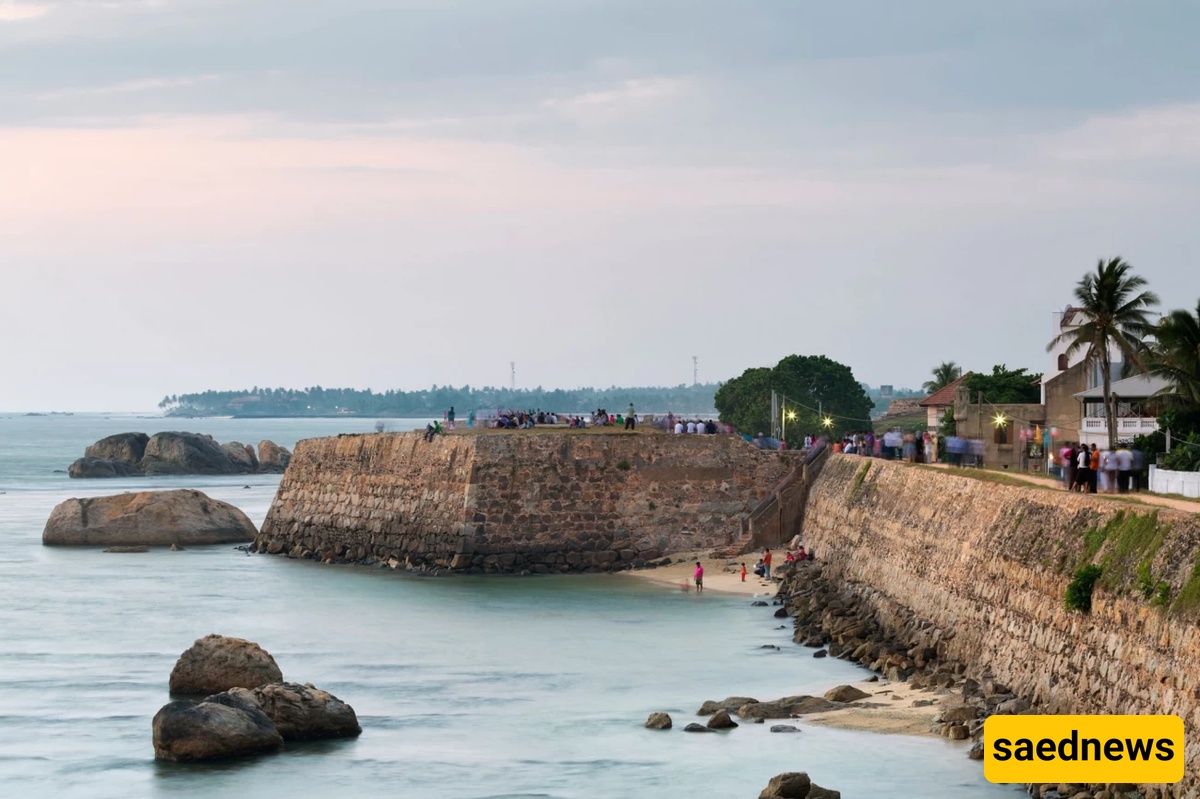
Galle Fort is located in the city of Galle, on the southwestern coast of Sri Lanka.
The original fort was built by the Portuguese in 1588. It was later extensively strengthened and expanded by the Dutch during the 17th century.
Yes. Galle Fort and its historic town were inscribed on the UNESCO World Heritage List in 1988 because of their exceptional historical and architectural significance.
Galle Fort features a mixture of architectural influences, particularly Portuguese, Dutch, and British colonial styles, combined with local South Asian traditions.
Visitors can explore historic streets and buildings, local markets, museums, religious sites, beaches, and other cultural attractions in the Galle area.
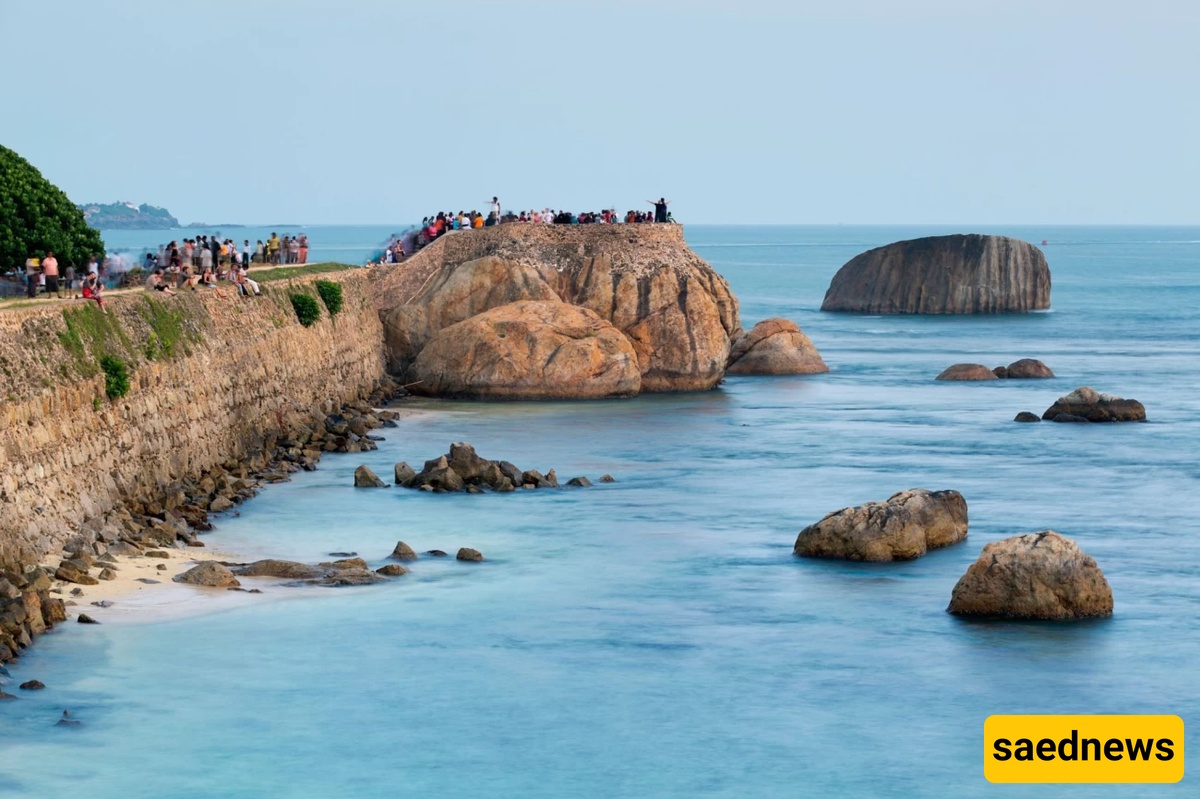
Galle Fort is a valuable historical and cultural treasure that has played an important role in the history of Sri Lanka. As one of the country's leading tourist attractions, it welcomes visitors from around the world each year.
More than just a historic fortification, Galle Fort represents centuries of cultural exchange, international trade, colonial history, and architectural development. Its preservation is important not only for Sri Lanka but also for future generations who can continue to learn from and appreciate this remarkable World Heritage landmark.