SAEDNEWS: Lake Michigan offers a chance to experience something truly unique. When the lake freezes, its surface can form beautiful, wave-like layers of ice that resemble sheets of glass.
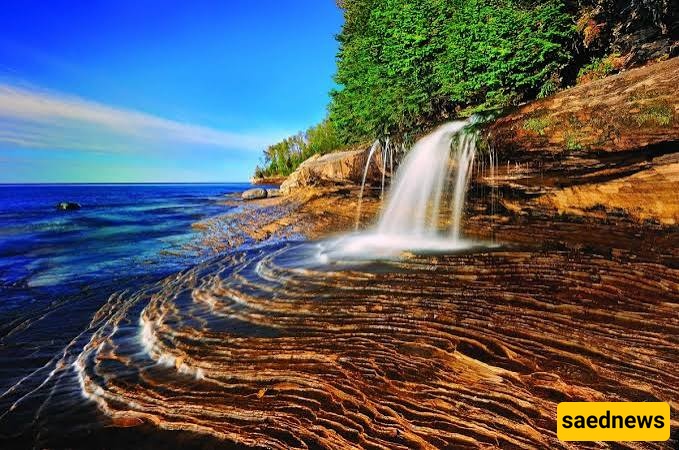
According to Saednews, If you want to capture extraordinary photographs, Michigan’s frozen landscapes are well worth visiting. During certain times of the year, the region transforms into a breathtaking winter scene, with frozen lakes, unusual ice formations, and spectacular natural views. These landscapes are among the most remarkable sights in the United States.
Michigan’s winter scenery can be remarkably beautiful, particularly when the temperatures fall low enough for large areas of water to freeze. However, the extreme cold and unstable ice conditions can also make these areas dangerous.
Visitors should never walk on frozen surfaces unless the ice has been officially confirmed as safe. During winter, the lakes can develop thick layers of ice, while strong winter storms and polar air masses can create dramatic frozen formations along the shoreline.
Temperatures in the region can occasionally fall to around −30°C (−22°F), producing severe freezing conditions and transforming the landscape into a striking natural spectacle.
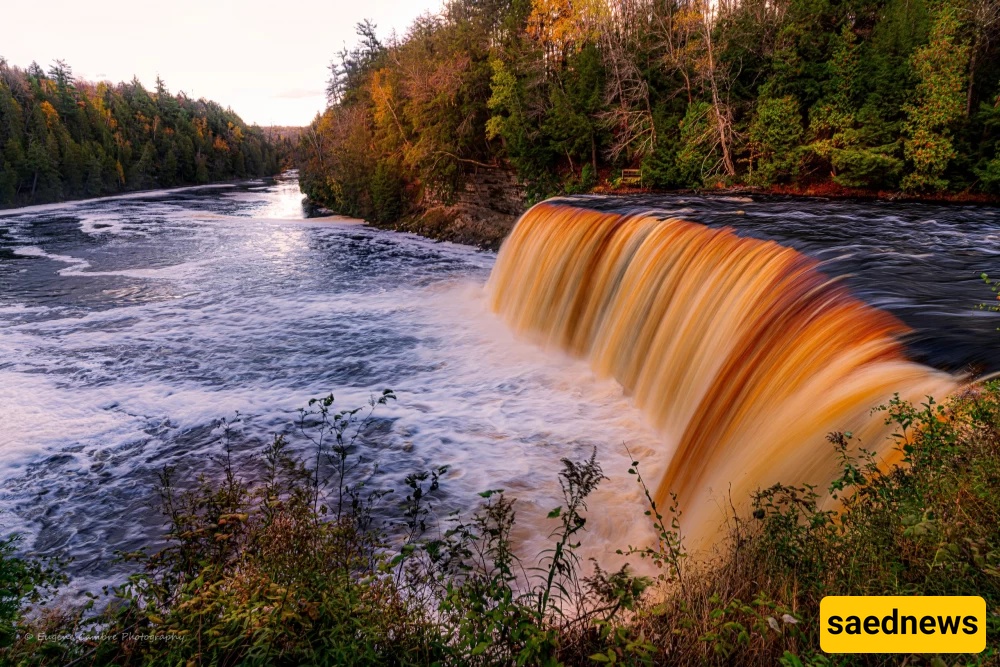
Lake Michigan is one of North America's Great Lakes and is located in the United States. Its shoreline extends through several states, including Michigan and Illinois, with Chicago situated along its southwestern shore.
During periods of extreme winter weather, ice can form unusual shapes along the lake’s shoreline. Wind, waves, and freezing temperatures work together to create ridges, shelves, and jagged sheets of ice.
Some of these formations resemble frozen waves. As the wind and water continue to move before freezing, the resulting layers can develop irregular and fascinating patterns, making the shoreline particularly appealing to photographers.
As spring arrives and temperatures begin to rise, the frozen surface gradually melts. Water collects beneath and between sections of ice, changing the appearance of the shoreline.
The transition from winter to spring creates a completely different landscape. Instead of a shoreline dominated by ice, visitors can see open water, changing vegetation, and the return of seasonal wildlife.
These dramatic seasonal changes are one reason Lake Michigan attracts visitors throughout the year.
The most striking winter scenes are created by waves that have frozen along the shore. In some areas, layers of ice form unusual shapes and textures, while sunlight reflecting from the frozen surface can make the landscape even more impressive.
Ice can also accumulate around structures and objects near the water. In extremely cold conditions, poles, railings, and other shoreline features may become covered in ice, creating unusual photographic subjects.
The quiet atmosphere is another part of the experience. When the shoreline is covered in snow and ice, the surrounding landscape can become remarkably peaceful.
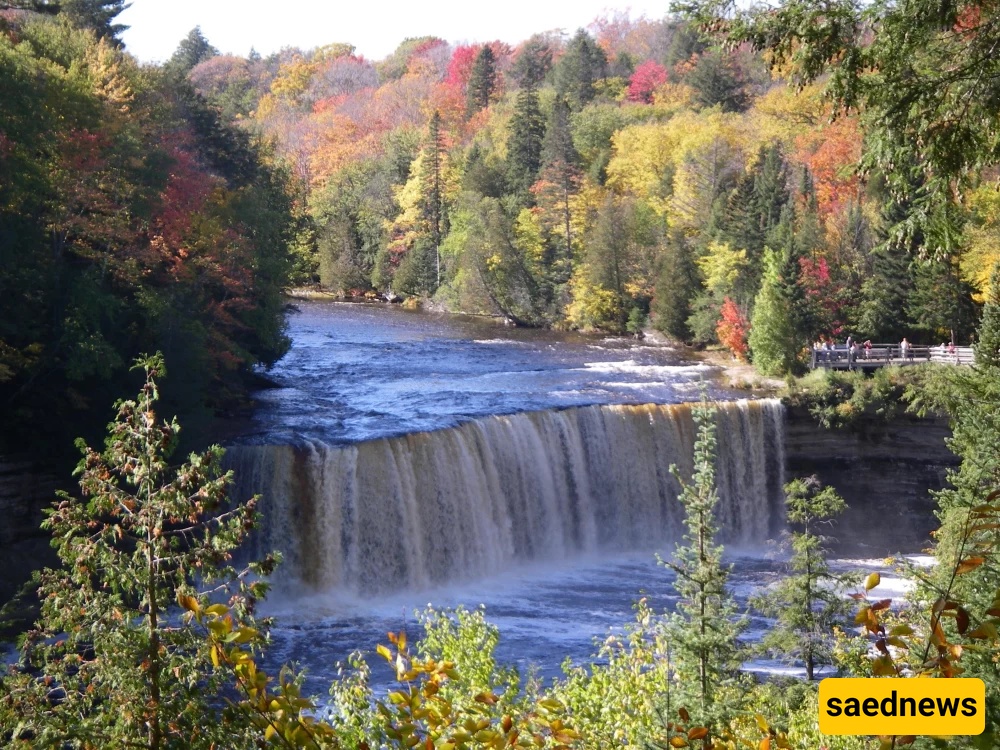
Anyone visiting Michigan’s frozen lakes during winter should be properly prepared. Warm, weather-resistant clothing, insulated footwear, and appropriate winter equipment are essential.
Most importantly, visitors should avoid walking onto lake ice without reliable information about its thickness and stability. Frozen water can be unpredictable, and conditions may change quickly.
Michigan’s winter landscapes offer some extraordinary views, but the safest way to experience them is from stable ground and designated viewing areas.
The frozen landscapes associated with Lake Michigan can be seen along various parts of its shoreline, particularly during periods of severe winter weather. Chicago and communities along the lake can experience dramatic winter conditions, although the exact appearance of the ice changes from year to year.
For photographers and nature enthusiasts, these seasonal ice formations provide a unique glimpse of the power of cold weather and the constantly changing character of Lake Michigan.