SAEDNEWS: Nagoya Castle is one of Japan’s most famous castles, located in Nagoya City. Built in the 17th century by order of Toyotomi Hideyoshi, it served as a center of power and the residence of the shoguns. Today, it is a celebrated historical and cultural landmark.
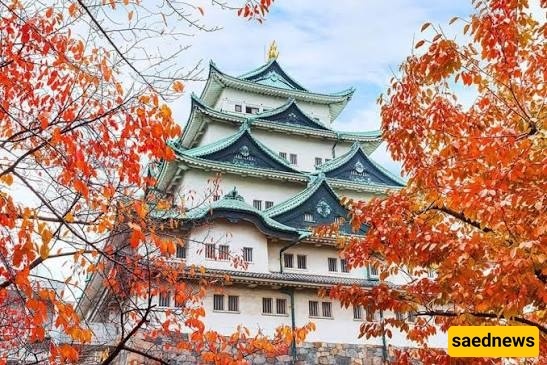
According to Saednews, Nagoya Castle is one of Japan's most iconic historical landmarks and a lasting symbol of the power and prestige of the Tokugawa clan. Renowned for its remarkable architecture and rich history, the castle has long attracted history enthusiasts and travelers from around the world. Today, it remains one of Nagoya's most popular cultural attractions, offering visitors a fascinating glimpse into Japan's feudal past.
Nagoya Castle was constructed in 1610 under the orders of Tokugawa Ieyasu, the founder of the Tokugawa shogunate and Japan's first Tokugawa shogun. Following his victory at the Battle of Sekigahara, Ieyasu sought to strengthen his rule by establishing a powerful fortress in the Owari Province, the area that is now modern-day Nagoya.
The castle was designed not only as a military stronghold but also as a symbol of the Tokugawa family's authority. Construction took approximately ten years, resulting in one of the largest and most magnificent castles in Japan. Thanks to its strategic location along the route connecting Edo (Tokyo) and Kyoto, Nagoya Castle quickly became an important political and military center.
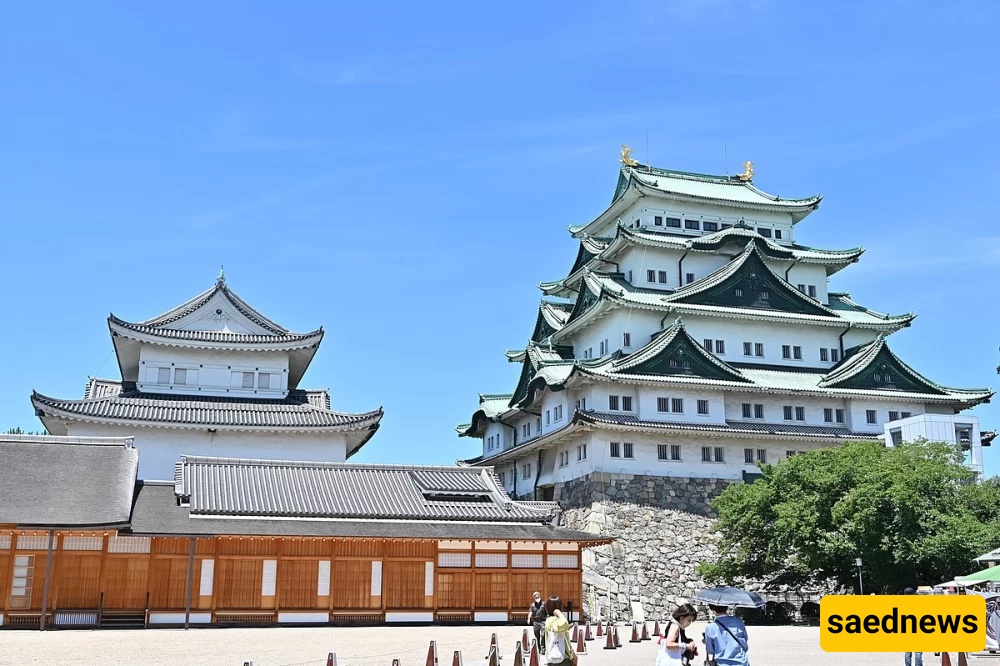
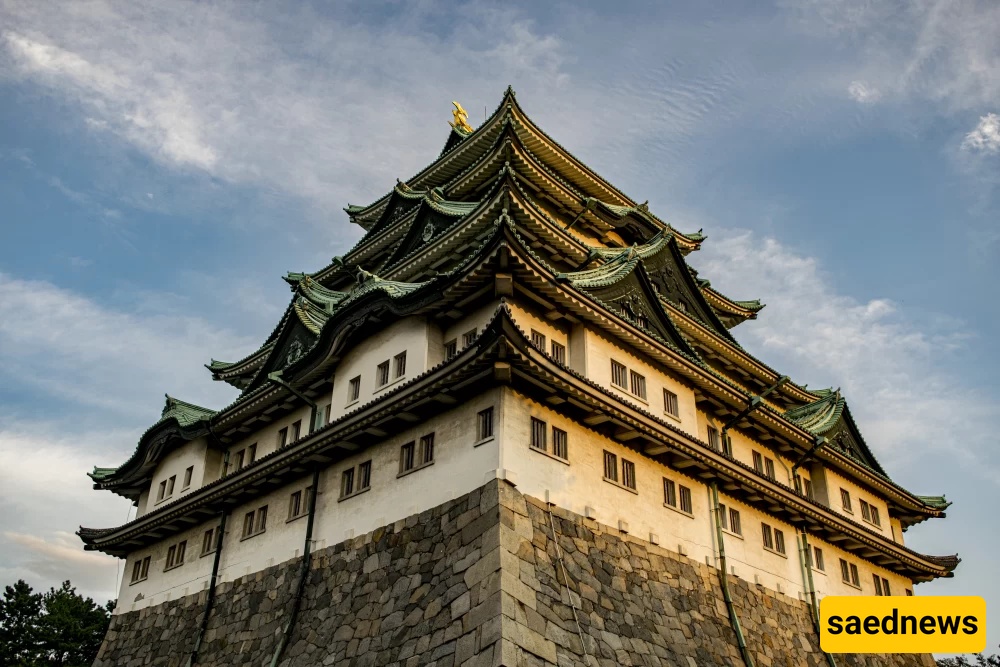
Nagoya Castle is a masterpiece of traditional Japanese castle architecture, combining sophisticated defensive engineering with elegant aesthetics.
One of its most distinctive features is its graceful curved roofs decorated with golden ornaments. The most famous of these are the Golden Kinshachi—mythical golden tiger-headed dolphins that sit atop the main keep. These ornaments have become the castle's defining symbol and represent the strength and prosperity of the Tokugawa clan.
The castle complex includes several impressive structures, including:
The main keep (central tower)
Massive stone walls
Defensive moats
Watchtowers
Gates and fortifications
Originally constructed primarily from wood, the main keep served as both the administrative headquarters and the defensive command center for the region.
Surrounding the castle are peaceful green spaces that enhance its historical atmosphere. Among them, the Ninomaru Gardens are particularly noteworthy.
Designed in the style of a traditional Japanese garden, these landscaped grounds feature lush trees, walking paths, and tranquil ponds. The gardens provide visitors with an ideal setting to appreciate both Japanese landscape design and the castle's impressive architecture.
Despite its historical importance, Nagoya Castle suffered severe damage during World War II.
In May 1945, extensive air raids destroyed much of the castle complex, including the main keep, palace buildings, gates, and numerous other structures. Only portions of the stone walls and defensive foundations survived the bombing.
After the war, efforts to restore the castle began.
In 1959, the main keep was reconstructed using reinforced concrete to preserve the castle's appearance and historical significance. Although modern construction methods were used, the restoration carefully retained many elements of traditional Japanese architectural design.
As interest in preserving Japan's cultural heritage has grown, plans have been developed to reconstruct the main keep using traditional building techniques.
In 2018, Japanese authorities announced that the main tower would be closed as part of a long-term project to rebuild it primarily from wood, closely following the original Edo-period construction methods.
Using detailed historical documents and architectural records preserved since before World War II, the reconstruction aims to faithfully recreate the original wooden structure while preserving traditional Japanese craftsmanship for future generations.
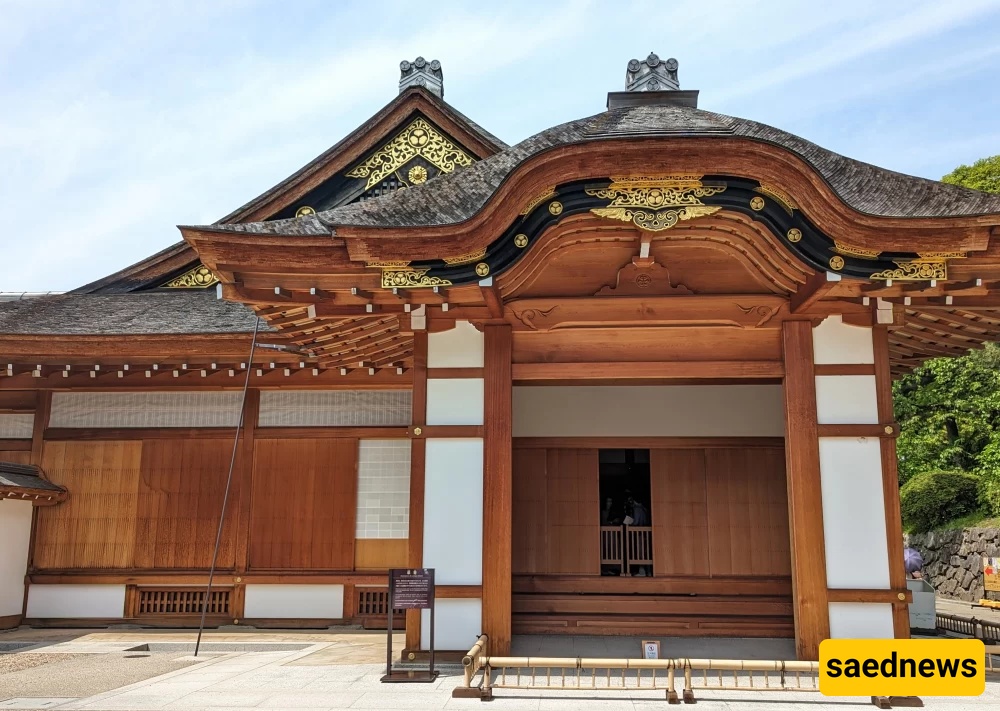
Another highlight of the castle complex is Honmaru Palace, one of Japan's finest examples of reconstructed feudal architecture.
Originally completed in 1615, the palace served as the official residence and administrative headquarters of the Owari feudal lords. It has been meticulously rebuilt using traditional materials and construction methods, allowing visitors to experience the elegance of samurai-era architecture.
Completed in 2018, the restored palace features beautifully recreated sliding-door paintings, ornate decorative details, and historically accurate interiors, making it one of Nagoya Castle's most impressive attractions.
Nagoya Castle is located in the heart of Nagoya City, making it easily accessible for visitors.
Travelers can reach the castle conveniently by:
Nagoya Subway
Local buses
A short walk from nearby public transportation stations
Its central location makes it an essential stop for anyone exploring Nagoya and one of Japan's most significant historical sites.
Nagoya Castle offers an exceptional combination of history, architecture, and cultural heritage. From its iconic Golden Kinshachi and majestic main keep to the beautifully restored Honmaru Palace and tranquil Japanese gardens, the castle provides an unforgettable experience for visitors interested in Japan's samurai history and traditional architecture.
Whether you're a history enthusiast, architecture lover, or first-time traveler to Japan, Nagoya Castle remains one of the country's most remarkable landmarks and an essential destination to include in your itinerary.