SAEDNEWS: In this article, we would like to introduce you to Iran’s most famous desert, called the Lut Desert, so that those who are interested in desert trekking can visit this unique desert and explore its attractions. Stay with us to become more familiar with the Lut Desert.
According to Saednews, We all know that Iran is a unique four-season country. Across different parts of Iran, you will encounter diverse climates and vegetation. For example, if you choose to travel to different regions in the same season, you may experience scorching heat in one area and snowstorms in another. This diversity has made Iran home to a wide variety of plant and animal species, distinguishing it from many other countries with similar conditions. One of Iran’s most remarkable natural attractions is its deserts.
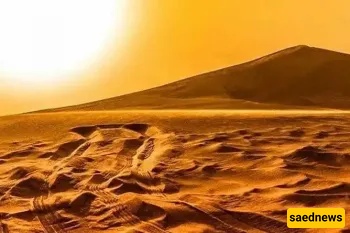
Deserts in Iran are highly popular and, due to their unique characteristics, are permanent destinations for desert enthusiasts and tourists. One of the most fascinating deserts in Iran is the Lut Desert, which, in addition to its breathtaking beauty, holds one of the most extraordinary natural records in the world. A part of the Lut Desert is known not only as the hottest desert in Iran but also as one of the hottest places on Earth.
As mentioned, the Lut Desert is part of the larger Dasht-e Lut and is considered one of the most beautiful desert regions in the world with stunning landscapes. It is recognized as the hottest desert in Iran and, despite the lack of meteorological stations nearby, it has been identified as one of the hottest points on Earth.
The average annual temperature in this desert ranges between 20 to 25°C. Winters can be relatively cold, with nighttime temperatures dropping to around −3°C. During winter days, the average temperature is about 15°C, gradually increasing toward spring.
In May, the temperature is around 20°C; in July it reaches about 35°C; and in September it decreases again to around 30°C. Recorded daytime temperatures show around 20°C in January, 30°C in March, 40°C in June, and up to 45°C in July and August.
The Lut Desert is a vast desert located in southeastern Iran, covering about 10% of the country’s land area. The Lut basin spans approximately 175,000 square kilometers and is one of the hottest and driest regions in the world. It lies across the provinces of South Khorasan, Sistan and Baluchestan, and Kerman, with nearly 70% of it located in Kerman Province.
The word “Lut” in the local Baluchi language means “bare and lifeless land without vegetation.” The desert is mainly composed of sand and gravel and was registered as Iran’s first natural site on the UNESCO World Heritage List in 2016.
Geologically, the Lut Desert is a dry continental semi-tropical region that was once an ancient sea. Over time, the sea evaporated under intense sunlight, leaving behind salt and mineral deposits.
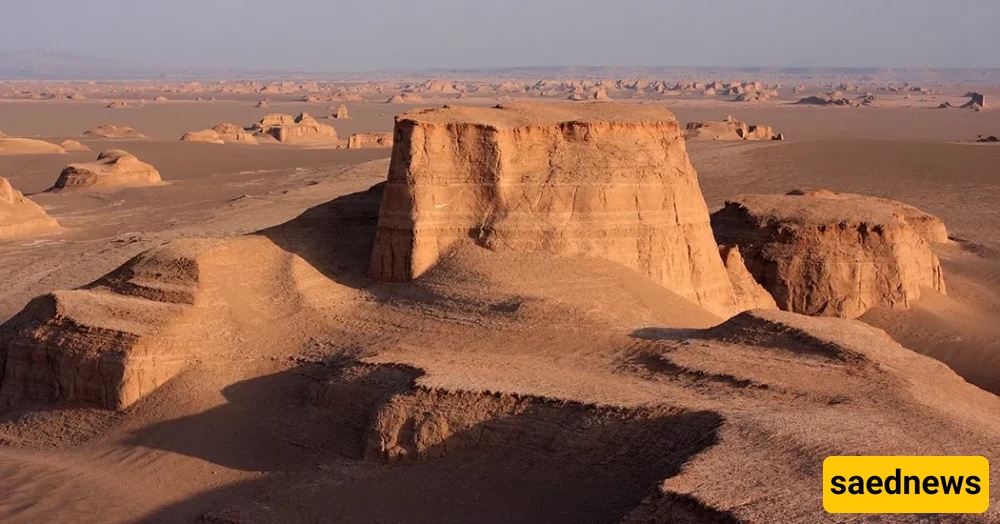
The Lut Desert stretches from north to south in eastern Iran and covers parts of South Khorasan, Sistan and Baluchestan, and Kerman provinces. Around 70% of this desert lies in Kerman Province. It is bordered by the Nehbandan Fault in the east and the Nayband Fault in the west. The desert is about 900 km long (north to south) and 300 km wide (west to east).
The Lut Desert is divided into three main regions: Northern Lut, Central Lut, and Southern Lut.
Northern Lut is located in South Khorasan Province and is also known as “Khorasan Lut.” It is mostly covered with gravel, along with mountains and volcanic sedimentary hills. Its southern part reaches the Shur River, one of the saltiest rivers in the world.
Central Lut, with a length of 162 km and width of 52 km, is considered the lowest depression in the Iranian plateau. It is known as the Lut depression and features large sand dunes, salt flats, and gypsum areas. Famous locations include Rig Yalan and Kalut regions.
Southern Lut is the most significant part of the desert and is mainly located in Kerman Province. It includes ancient archaeological sites with thousands of years of history and contains relatively richer vegetation zones compared to other parts.
The most well-known access route to the Lut Desert is through Shahdad and the Kaluts of Kerman.
To reach Shahdad, you first need to travel to Kerman city. From Tehran, the journey passes through Qom, Kashan, Yazd, Rafsanjan, and then Kerman before reaching Shahdad. This road trip takes around 10 hours. From Shahdad, reaching the Kaluts requires about 45 km of travel on rough desert roads, taking approximately 2 hours.
There are no direct flights or train routes to Shahdad. Travelers can fly or take a train to Kerman and then continue with local desert tours. Bus travel from Tehran to Kerman takes around 10 hours, after which taxis or tours are needed to reach Shahdad.
The best time to visit the Lut Desert is during spring and autumn, when the weather is more moderate. To avoid extreme heat and enjoy the stunning scenery of the Kaluts, it is recommended to visit early in the morning or at sunset.
Visitors can stay in nearby eco-lodges and desert accommodations, such as traditional houses and rural guesthouses. Popular options include Kalut Local House, Vakil Abadi Traditional House, Baba Ata Eco-lodge, Kashkilo, Aghigh, and Gandam Beryan lodges. Camping is also possible in Shahdad Desert Camp near Shafiabad village, offering unforgettable stargazing experiences.
A trip to the Lut Desert is highly exciting due to its unique landscapes and attractions. Popular activities include:
Visiting archaeological sites
Cycling and hiking
Camel riding
Desert safari and motorbiking
Hot air ballooning
Photography
Buying local handicrafts
Night tours for stargazing
Due to its extremely dry climate and lack of rainfall, vegetation is very limited. In some areas near Shahdad, especially where underground water exists, desert shrubs and tamarisk trees grow. These plants often form natural sand structures called “nebkas.”
Despite its extreme conditions, the Lut Desert is home to various animal species. These include the Rüppell’s fox, sand cat, hare, horned viper, lizards, desert snakes, scorpions, falcons, and gazelles. However, in areas like Gandom Beryan, no living organisms are found due to extreme heat.
Tehran to Lut Desert: ~1000 km (about 12 hours by road)
Isfahan to Shahdad: ~800 km (about 10 hours)
Kerman to Shahdad: ~100 km (about 1 hour)
Mashhad to Lut Desert: ~960 km (about 12 hours)
Birjand to Shahdad: ~500 km (about 6 hours)
Zahedan to Shahdad: ~600 km (about 6 hours)
Shiraz to Shahdad: ~650 km (about 8 hours)
The night sky of the Lut Desert is one of its most spectacular features. Due to the lack of light pollution and clean air, the sky becomes incredibly clear, making it an ideal place for observing and photographing stars.
The Lut Desert was recorded as one of the hottest places on Earth between 2004 and 2009. The highest recorded temperature reached 71°C in 2005 in the Gandom Beryan region. It is believed that no living organism, not even bacteria, can survive in this extreme environment.
The desert contains several unique natural attractions:
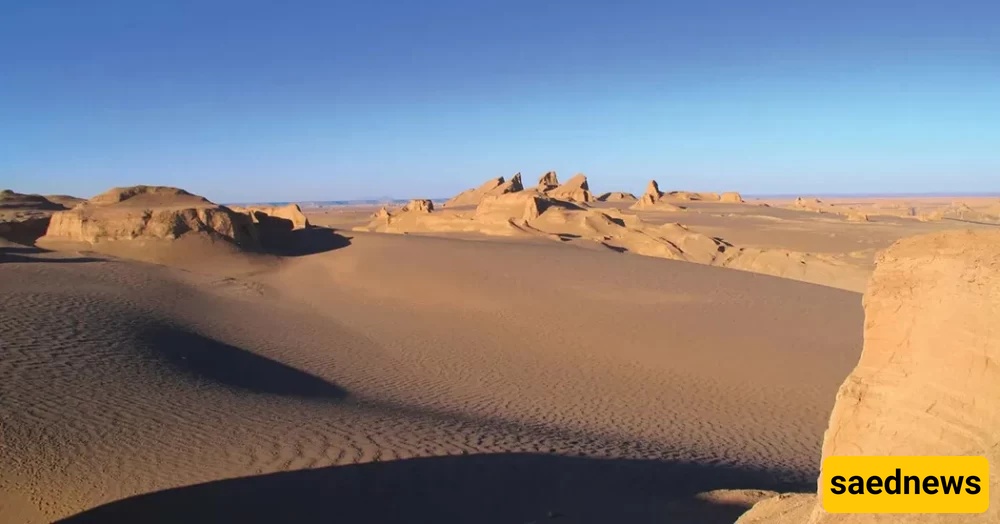
Kaluts of Shahdad: Massive wind- and water-eroded formations
Nebkas: Sand mounds formed around vegetation
Rattil Gorge: Habitat of dangerous desert spiders
Gandom Beryan: One of the hottest and most lifeless areas on Earth
Seasonal rivers (Kal Shur): Highly acidic seasonal waterways shaping the desert landscape
Visit during autumn, winter, or early spring for safer temperatures
Always travel with a professional guide or tour
Carry enough water, fuel, and food
Use appropriate clothing, hats, sunscreen, and hiking shoes
Bring navigation tools and a first aid kit
Carry a camera for capturing desert landscapes