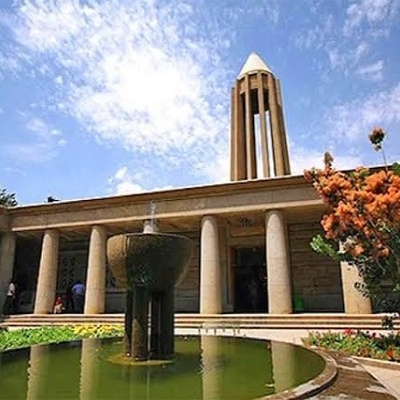
SAEDNEWS: Arg-e Belqeys, located near the city of Esfarayen, is one of the largest mudbrick structures in Iran and a valuable heritage from ancient historical eras. It remains an important cultural landmark, preserving part of the identity and historical legacy of North Khorasan.
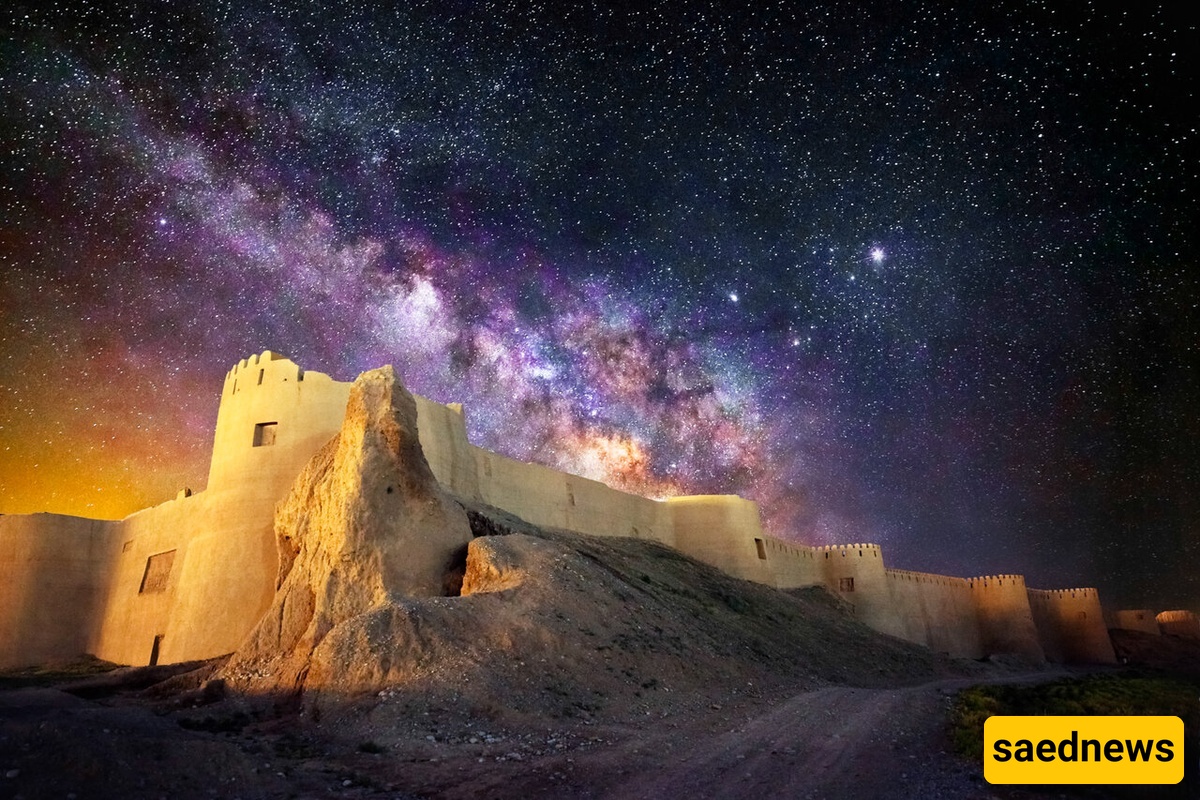
According to Saednews, In northeastern Iran, on the edge of the vast plains of North Khorasan Province, one of the country’s most important yet lesser-known historical sites—Arg-e Belqais—is located near the city of Esfarayen. This massive mudbrick complex is not merely an archaeological monument, but the remains of an ancient city that once played a significant role in the region’s social, economic, and defensive systems.
Today, despite centuries of erosion and natural decay, Arg-e Belqais remains one of the key historical attractions of North Khorasan and holds strong potential for cultural tourism, especially for visitors interested in history, architecture, and heritage travel.
Archaeological studies suggest that the origins of this settlement date back to early historical periods, particularly the Sasanian era, and that it continued to develop during later periods, especially the Islamic era. This historical continuity indicates that Arg-e Belqais remained functional for centuries, adapting to the changing needs of each era.
In the past, the site was part of a larger urban center strategically located along important communication routes in eastern Iran.
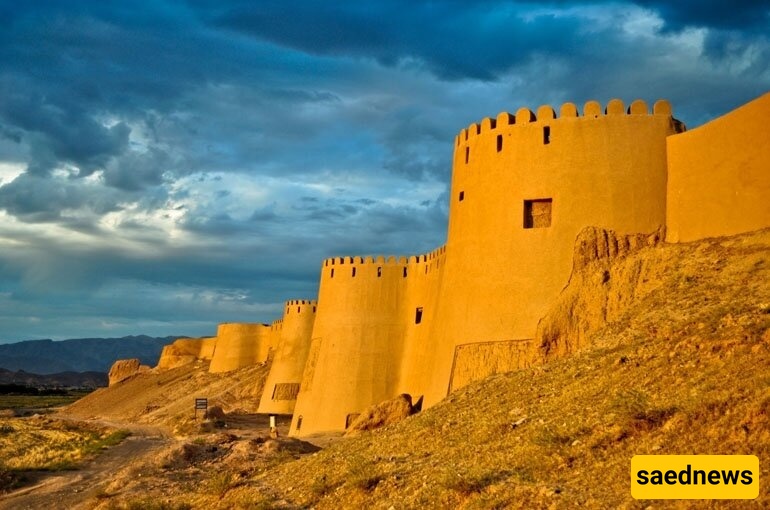
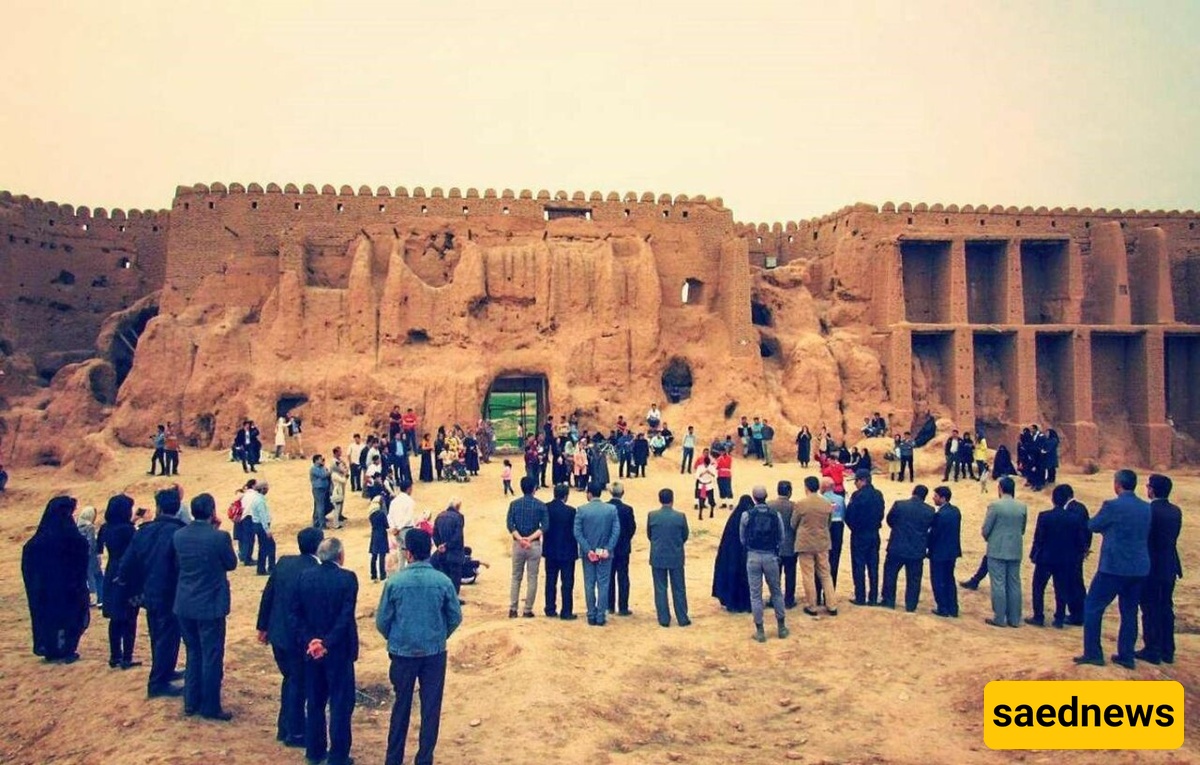
Arg-e Belqais is one of the largest mudbrick structures in Iran. Thick defensive walls, watchtowers, and an extensive internal layout show that the site was not just a military fortress, but a complete urban settlement.
Some of its towers reach heights of over 10 meters, reflecting the high level of skill of Iranian architects in using local materials and adapting designs to the region’s dry and semi-dry climate.
Archaeological evidence shows that Arg-e Belqais included residential areas, storage facilities, internal pathways, and public spaces. This complex structure indicates that its inhabitants lived their daily lives within the same enclosed environment. As such, Arg-e Belqais is considered not only a defensive site but also a well-organized historical city.
The name “Belqais” is sometimes linked in local traditions to the Queen of Sheba. Although this connection is largely legendary, such stories have contributed to the cultural appeal and tourism interest of the site.
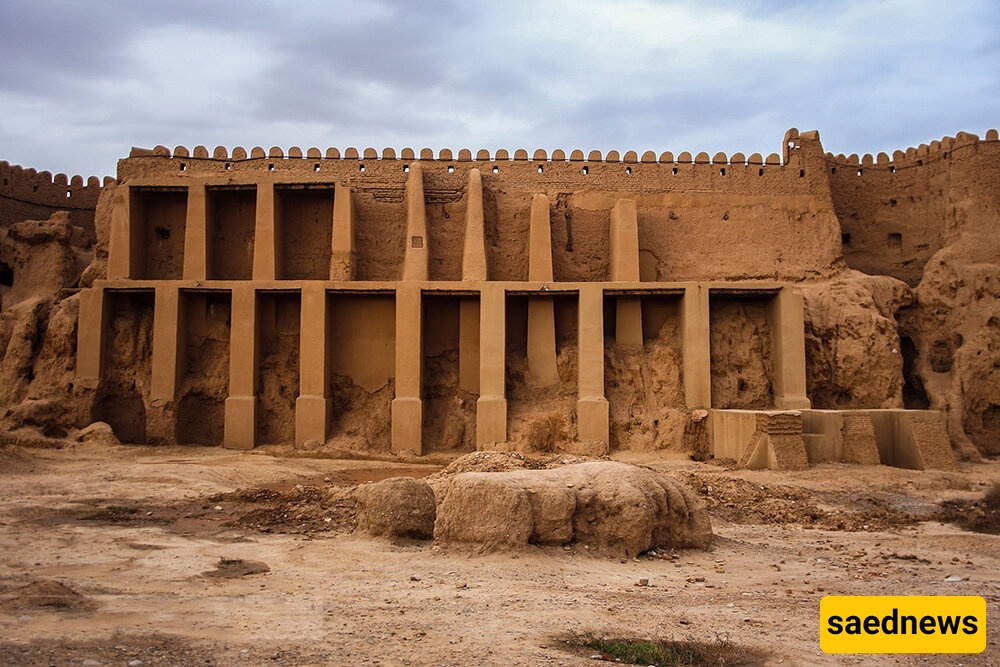
Recent excavations have uncovered new sections of the site and provided valuable insights into its structure, function, and various periods of use.
These findings suggest that Arg-e Belqais was continuously occupied and rebuilt across multiple historical eras, maintaining its importance over time.
To reach Arg-e Belqais, travelers must first go to North Khorasan Province. The main access route is through the city of Esfarayen.
From Bojnord, the provincial capital, the site is approximately 60–70 kilometers to the southwest by road. From within Esfarayen, access to the site is clearly signposted and requires only about 10 to 15 minutes of driving.
For visitors from outside the province, the nearest airport is Bojnord Airport. Land routes are also available from cities such as Mashhad and Sabzevar via northeastern Iran’s main road networks.
Arg-e Belqais can be visited throughout the year, but the best seasons are spring and early autumn, when the weather is more moderate and suitable for outdoor exploration.
During summer, due to higher daytime temperatures, early morning or late afternoon visits are recommended. In winter, visitors should be prepared for cold weather conditions.
Stepping into Arg-e Belqais is like traveling back in time. Mudbrick walls, partially ruined towers, and vast open spaces create a vivid impression of the past.
For history enthusiasts, photographers, and cultural travelers, this site is one of the most valuable destinations in northeastern Iran.
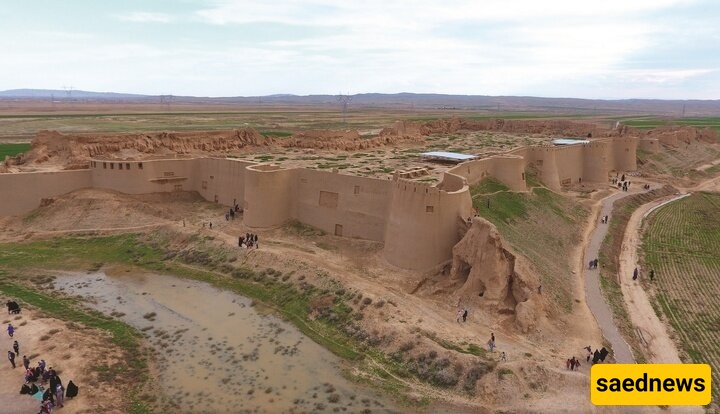
Arg-e Belqais stands as one of Iran’s most important mudbrick heritage sites and a symbol of the ancient civilization of North Khorasan. Despite natural damage, it still survives and has strong potential to become a major tourism destination.
Improved preservation, greater awareness, and systematic development could not only protect this cultural heritage but also contribute significantly to regional tourism growth.