SAEDNEWS: Home to some of the oldest structures and artifacts from the Sasanian era, Firuzabad has become a fascinating destination for history enthusiasts and travelers.
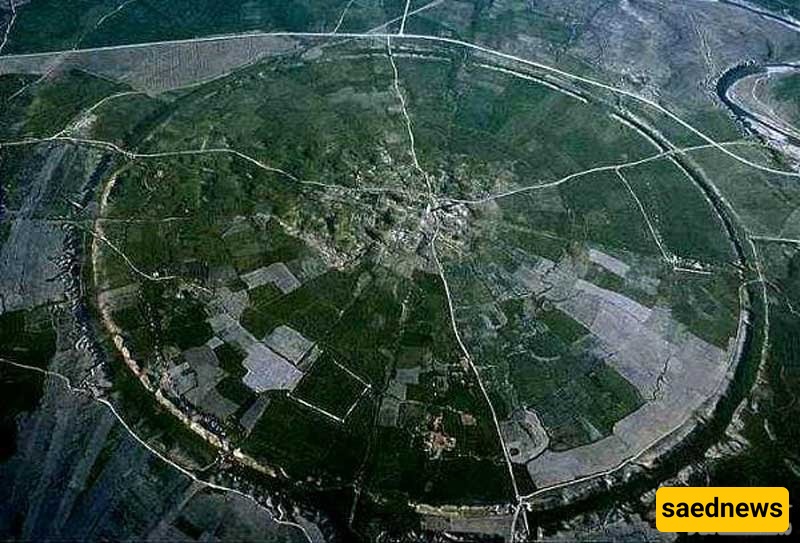
The ancient city of Gur was the first circular city in Iran, built under the order of Ardeshir Babakan. It is located 50 kilometers east of Meymand and 6 kilometers north of Firuzabad. At the heart of the city stands a tall tower, significant portions of which still remain. Another notable structure is the Takhtneshin, situated in the city center, which bears a strong resemblance to the gateways of Persepolis and likely served as a fire temple commissioned by Ardeshir.
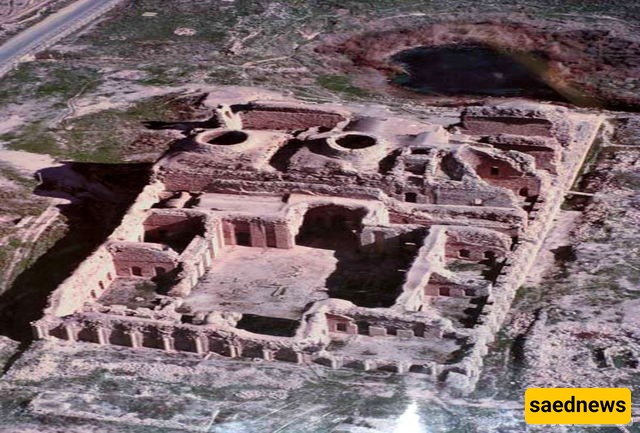
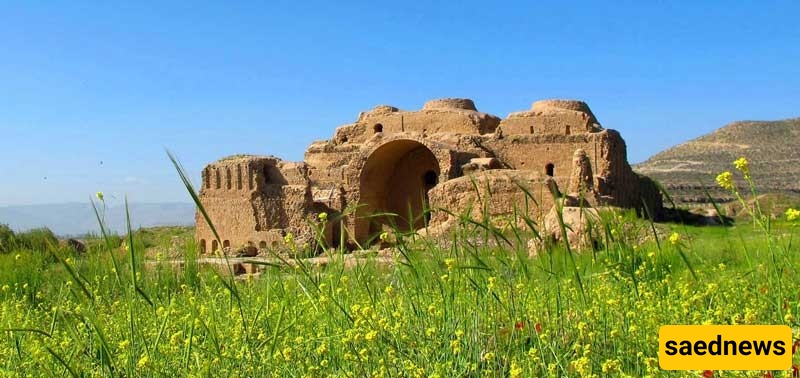
The palace of Ardeshir Babakan, also known as the Firuzabad Fire Temple, was built by Ardeshir Babakan following his victory over Artabanus V, near the city of Gur, beside a still-flowing pond. It is one of the most important surviving structures from the Sassanian era. The palace consists of interconnected halls, and despite centuries passing, the plaster decorations on the upper walls of the interior halls remain remarkably well-preserved.
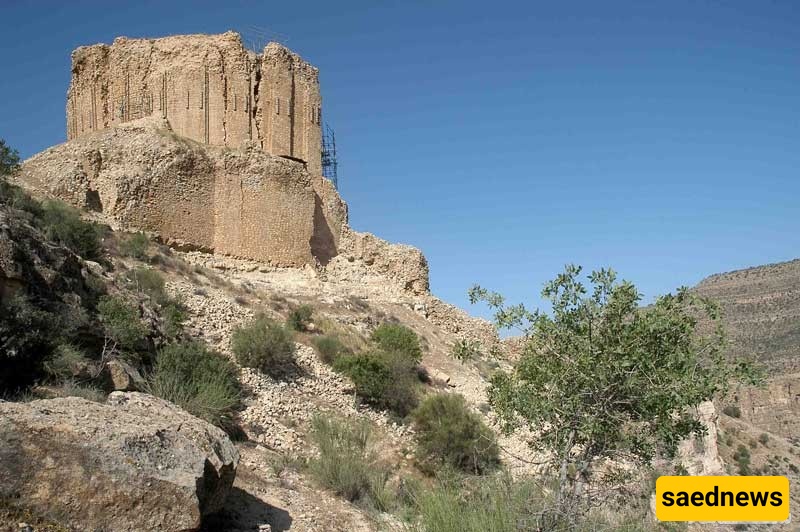
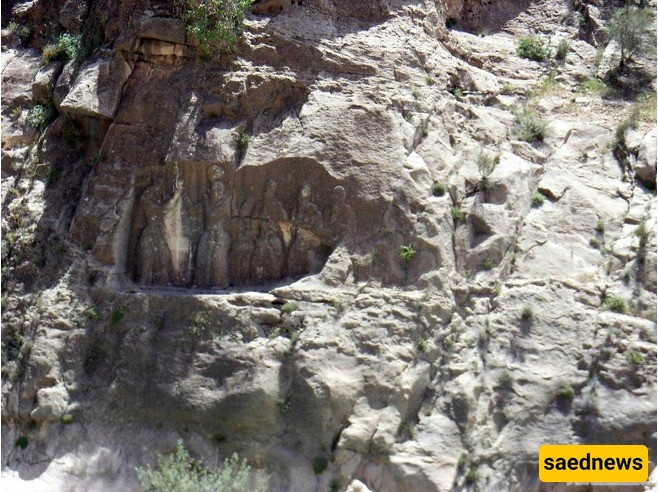
Six kilometers along the Firuzabad-Shiraz road, on a mountain slope overlooking the road, stands a lasting Sassanian structure known as Qal’eh Dokhtar. Located at the edge of the Tangab valley, where the natural slope forms a gateway, this massive fortress once dominated the surrounding area. It likely served as a lookout and protective post for the first Sassanian capital, Gur. Qal’eh Dokhtar consists of interconnected rooms and corridors made from uncut stone, plaster, and mortar. Nearby, visitors can also see the Victory Relief and the Coronation Relief.
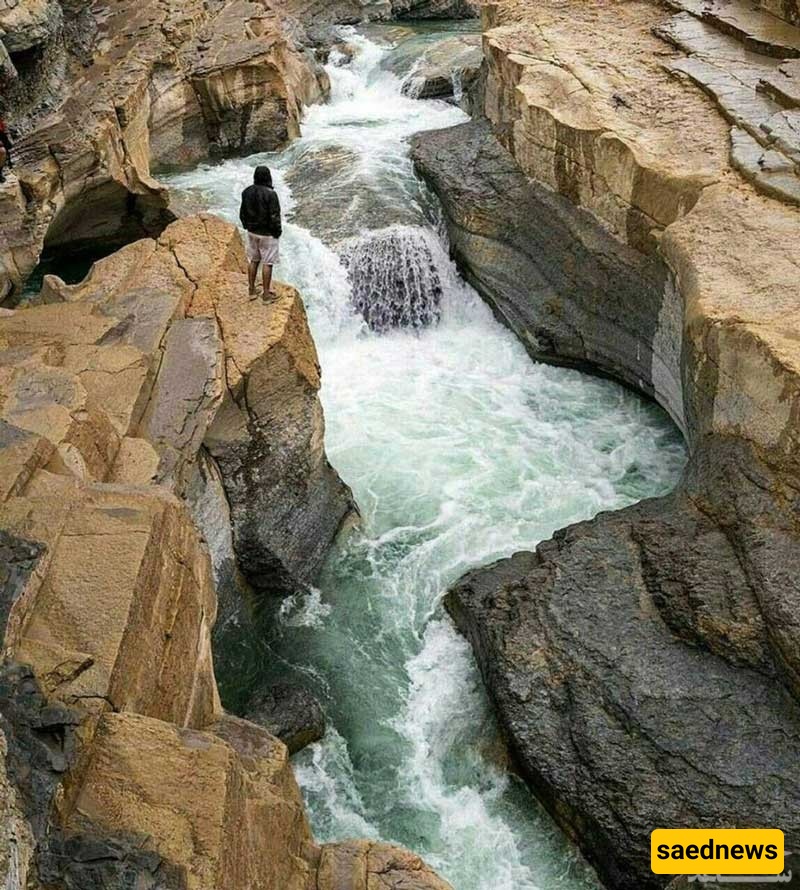
Located 35 kilometers southwest of Firuzabad, Tang-e Haqer is one of the most stunning gorges in the world, often called “Iran’s Grand Canyon.” Here, visitors encounter extraordinary rock formations, strikingly colored cliffs, a flowing river, and the songs of birds echoing through the gorge. The shallow river running through it makes Tang-e Haqer an ideal destination for adventurers and nature enthusiasts—but professional guidance and proper equipment are highly recommended.
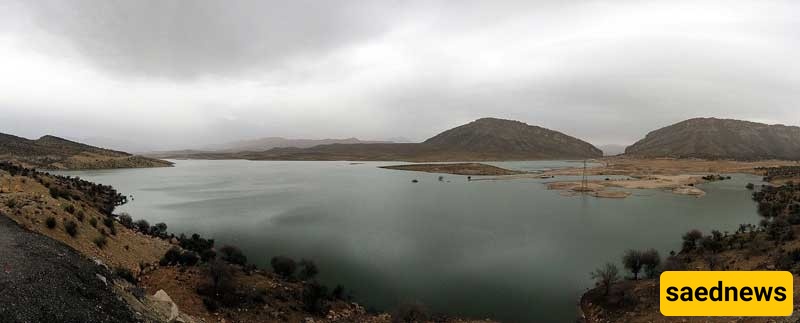
This beautiful lake lies behind the Tangab earth dam in Firuzabad, adjacent to the Padena Protected Area. It is an excellent spot for observing migratory birds, including storks, pelicans, terns, and various waterfowl.
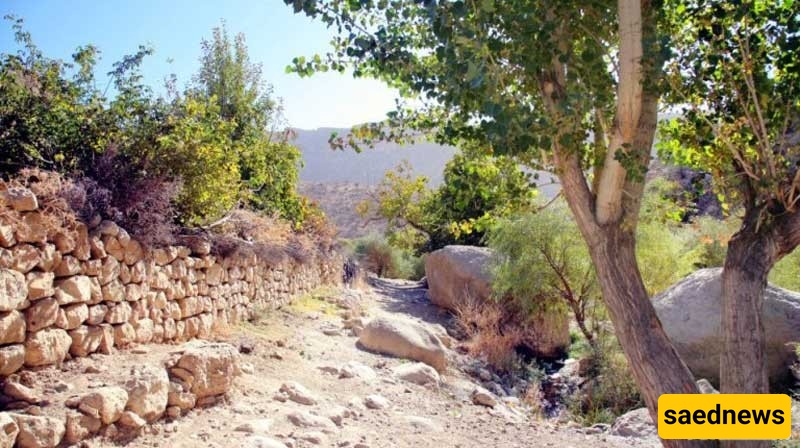
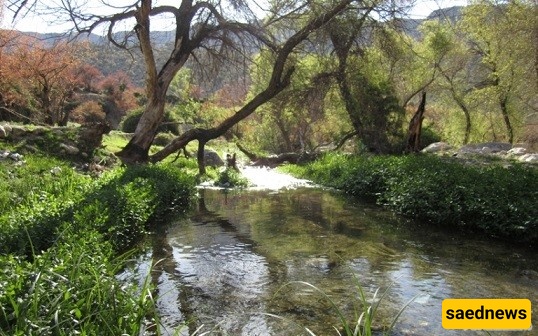
Tang-e Kharqeh is a lush, forested valley located 24 kilometers along the Firuzabad-Farasband road. It is one of Fars Province’s most scenic tourist destinations, featuring abundant springs and fertile gardens. Visitors can also explore the Imamzadeh Kharqeh Shrine, the tomb of Seyyed Davood, and the Kharqeh Castle.
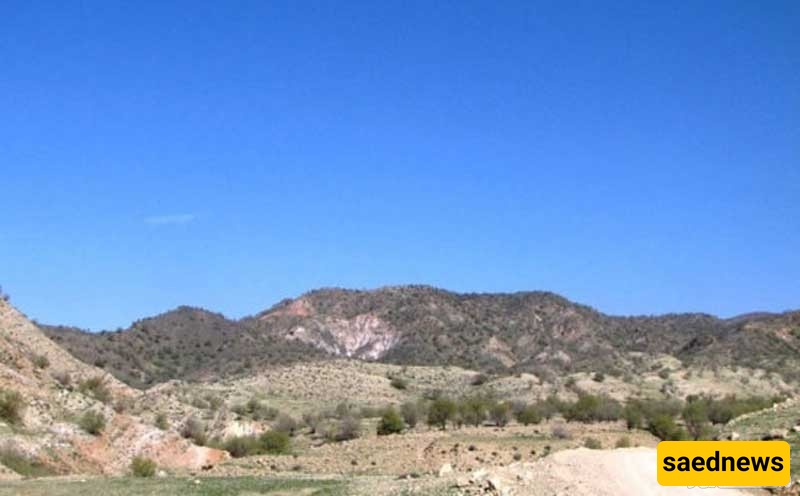
Salt domes form when salt rises and creates elevated structures. In the Zagros sedimentary region of southwestern Iran, there are numerous salt domes, including the Morjan Salt Dome, located near the village of Morjan, southwest of Shiraz, in the Kuhmareh Sorkhi area.
Fifteen kilometers before Firuzabad, on the right side of Tangab across the river at the mountain’s waist, lies the relief depicting Ardeshir’s coronation, founder of the Sassanian dynasty. In this scene, the Mithra figure places the royal crown on Ardeshir. Behind the king is a child, possibly the heir Shapur I, followed by three ministers and commanders standing respectfully. A now-partially-eroded Pahlavi inscription once connected the king and Mithra figure, with another seven-line inscription nearby providing further context. The relief measures approximately 2 by 3 meters.
Kharqeh Waterfall is located in Firuzabad, Fars Province. Firuzabad is 1,035 kilometers from Tehran, 100 kilometers south of Shiraz, and 240 kilometers north of Bandar Asaluyeh. The modern city sits near the ancient site of Gur, built by Ardeshir Babakan, the Sassanian dynasty’s founder. Gur was the center of the Ardeshir Khoreh region, conquered by Arab Muslims in 28-29 AH. The area is rich in historical Sassanian relics. Tang-e Kharqeh is a green valley with forests, abundant springs, and fertile gardens. Nearby are the Imamzadeh Kharqeh Shrine and Kharqeh Castle. Other natural attractions include Chehel Cheshmeh Hanifqan, the Tangab River, Kanarsiah River, Tang-e Haqer, and Ranjbiran Spring.
Barz Mountain features pristine landscapes, dense forests, and unique wildlife. Located 35 kilometers northwest of Firuzabad on the road to Farashband, it is complemented by the nearby Siyahchal region, one of the most stunning natural attractions in Iran.
To reach these pristine areas, follow the Firuzabad-Farashband road. After Tang-e Kharqeh and before Dasht-e Kol, between 30-35 kilometers from Firuzabad, you will arrive at this wild landscape, which requires about two hours of hiking. Moving from Tang-e Kharqeh toward Bachun, Barz and Siyahchal lie to your right.
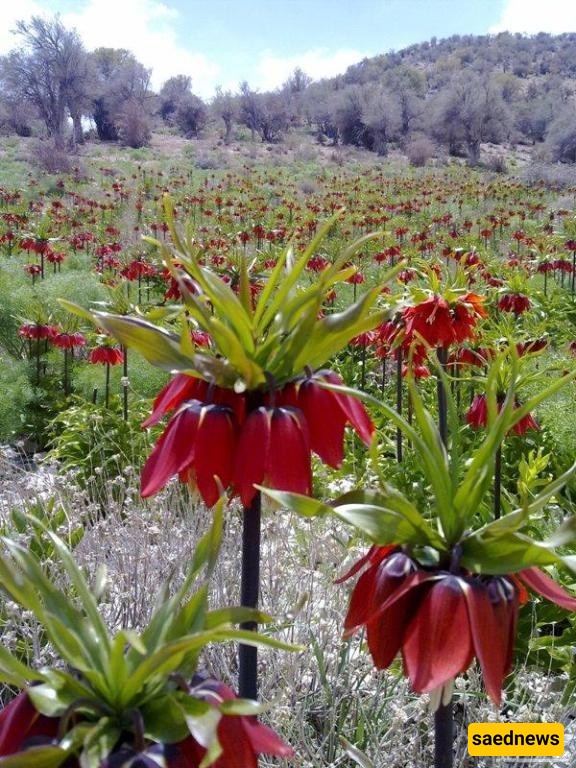
Siyahchal, meaning “Black Pit,” was named by ancient inhabitants. It represents a piece of the land formed by a partial collapse of the surrounding terrain. This is a reminder that destruction can create new life. Siyahchal is a beating heart within Firuzabad’s mountains, felt by hikers and nature lovers. The sight of this landscape, with its inverted tulips and serene beauty, evokes the feeling of a hidden paradise.