SAEDNEWS: Chirish is a type of edible wild plant found in the mountainous regions of North Khorasan, Iran. It grows naturally on mountain slopes during the spring season. Join us as we explore the many benefits of the Chirish plant, along with its potential drawbacks and side effects.
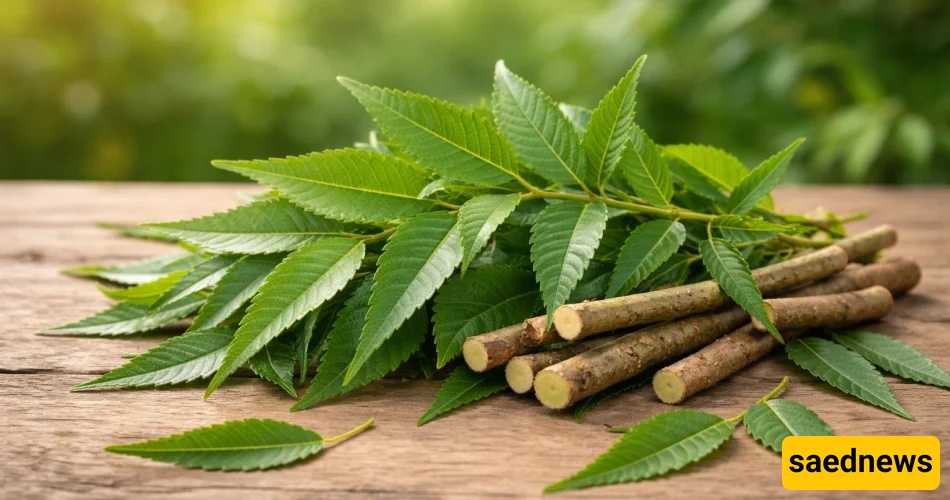
According to Saednews, Cherysh is a type of wild edible mountain plant that grows in North Khorasan, Iran. It appears in spring on mountain slopes. Each Cherysh plant has several leek-like leaves, with the lower part gathered in a whitish sheath.
In spring, this plant is sold in almost all vegetable markets. People of North Khorasan, especially villagers around Bojnord, use Cherysh to prepare traditional dishes such as Cherysh soup, Yarmeh soup, and a type of bread called Cheryshi bread.
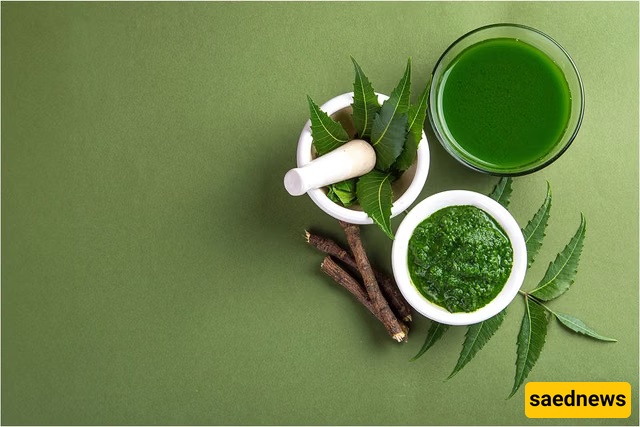
Cherysh grows naturally in various mountainous and semi-mountainous regions of North Khorasan, including:
Golul (Shirvan)
Raz and Jargalan
Asadli highlands
Shah Jahan mountains (Esfarayen)
Salouk
Bahar mountain
Qazalagh and Shoqan (Jajarm)
Parts of Maneh and Samalqan
Experts in natural resources emphasize educating local harvesters to prevent overharvesting and destruction of this plant. They recommend proper identification of species, awareness of flowering and maturity times, and correct harvesting methods—especially avoiding root removal to ensure regrowth in the following year.
Some tuberous roots of related species are sticky and have traditionally been used as natural glue in Iran, Turkmenistan, and Afghanistan.
Cherysh is considered both an edible and medicinal plant. In traditional medicine, it has been used for:
Skin conditions such as spots and eczema
Bone injuries and healing support
Preventing hair loss and strengthening hair roots
Improving overall skin health
It is also believed to have anti-inflammatory and antimicrobial properties, making it useful in treating various infections.
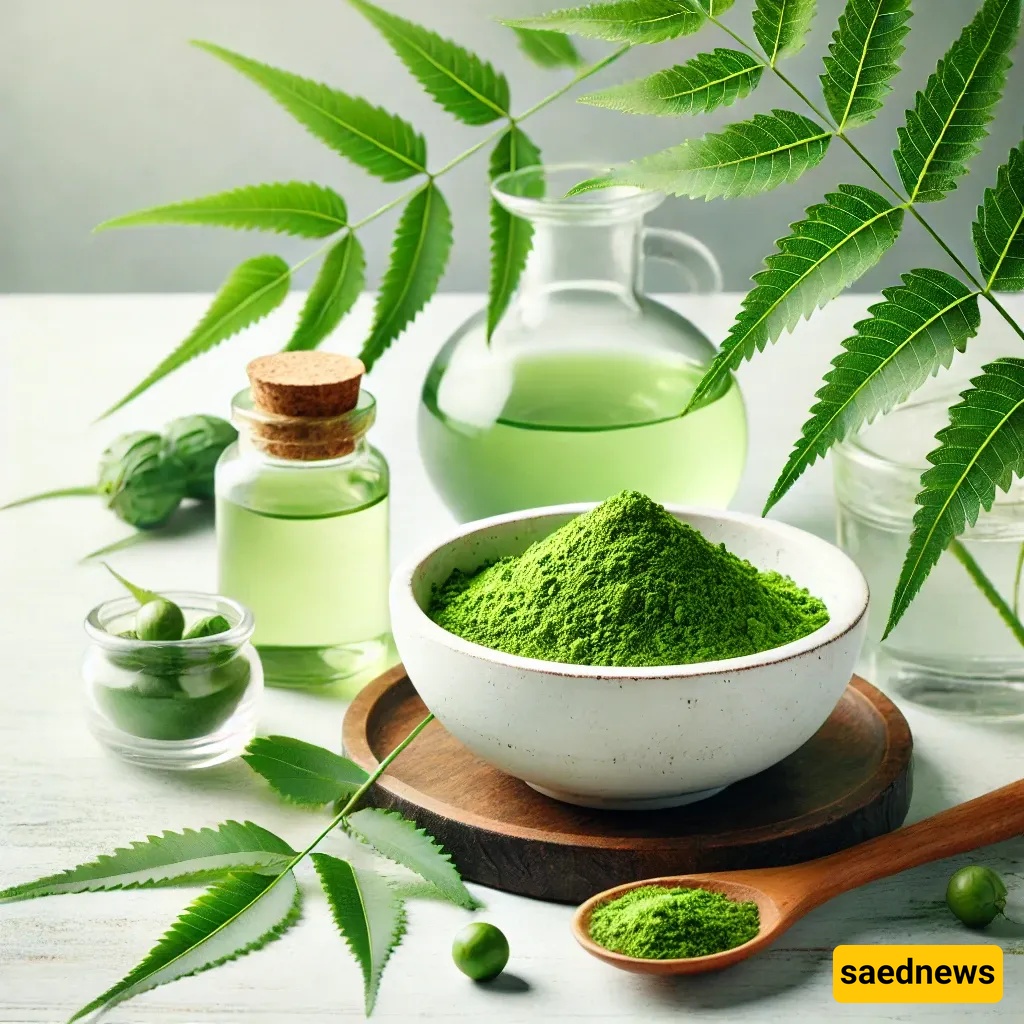
Cherysh has antifungal properties that help reduce dandruff, scalp dryness, and itching.
Common methods:
Boil 4–5 leaves in water, cool it, and use as a hair rinse after shampooing.
Mix 3–4 tablespoons of Cherysh powder with water into a paste, apply to hair for 30–40 minutes, then rinse.
Mix 1 teaspoon Cherysh oil with 2 tablespoons olive oil and massage into the scalp before washing.
Its antibacterial and anti-inflammatory effects help reduce acne and skin irritation.
Methods:
Mix 10 drops of Cherysh oil with 1 teaspoon coconut oil and apply to acne for about one hour.
Mix Cherysh leaves with dried orange peel, add honey and lemon juice, apply as a face mask.
Cherysh helps clean skin impurities and tighten pores.
Apply diluted Cherysh oil on the face using cotton before bedtime.
Use a paste of Cherysh powder and turmeric once a week as a face mask.
Cherysh can reduce inflammation and dryness in eczema.
Mix Cherysh oil with coconut oil and optionally lavender oil, apply to affected areas, then rinse after drying.
Its antioxidants help reduce melanin production and even out skin tone.
Apply a paste of Cherysh leaves and turmeric for 20 minutes, then rinse.
Its antibacterial, antifungal, and antiviral properties help treat skin infections.
Add boiled leaves to bath water or use oil mixtures for massage several times per week.
Cherysh helps soothe sun-damaged skin and restore moisture.
Mix leaf extract with turmeric and apply to skin.
Or use diluted oil blends with olive, coconut, or almond oil.
Rich in antioxidants, it helps improve skin elasticity and slow premature aging.
Massage Cherysh oil mixed with jojoba oil before sleep.
Wash face with boiled leaf water twice daily.
It supports hair growth and reduces hair loss by improving scalp health and preventing infections.
Massage warm olive oil mixed with Cherysh oil into the scalp before shampooing.
Its antioxidants may reduce under-eye darkness.
Apply a paste of Cherysh powder and water for 15 minutes.
Or use diluted oil around the eyes carefully.
Excessive consumption of Cherysh may have hormonal effects and is not recommended during pregnancy, especially in early months, as it may affect fetal development.
Women trying to conceive are advised to avoid it due to possible effects on fertility and body temperature balance.
Internal use should be done with caution and preferably under the guidance of a herbal medicine specialist, especially for treating infections or internal conditions.
Cherysh is a valuable wild plant with both nutritional and medicinal importance in North Khorasan. It is widely used in traditional cooking and herbal medicine, but sustainable harvesting and careful consumption are essential to preserve its benefits.