SAEDNEWS: Cracked heels are a common and uncomfortable problem that can cause pain and increase the risk of infection. One of the most frequently asked questions is how many times a day foot crack cream should be applied. The answer depends on the severity of the cracks, skin type, cream ingredients, and environmental conditions.

According to Saednews, Cracked heels are among the most common skin problems, affecting many people during colder months or as a result of chronic skin dryness. Deep heel cracks are not only a cosmetic concern but can also become painful, cause discomfort while walking, and, if left untreated, increase the risk of inflammation and infection. For this reason, using a heel repair cream has become an essential part of many people's daily skincare routines.
One question frequently asked by consumers is: How many times a day should you apply foot crack cream? The answer depends on several factors, including the severity of the cracks, skin type, the cream's ingredients, and environmental conditions.
The skin on the soles of the feet is naturally thicker than skin elsewhere on the body. It has a thicker outer layer, known as the stratum corneum, which helps withstand the pressure of body weight.
When this layer becomes dry and loses its flexibility, pressure and stretching caused by walking can lead to superficial or deep cracks.
Common factors contributing to cracked heels include:
Dry air and reduced humidity, particularly during winter.
Standing for extended periods on hard surfaces.
Wearing unsuitable footwear or shoes without socks.
Dehydration and poor nutrition.
Aging and the skin's reduced ability to retain moisture.
Underlying conditions such as diabetes, eczema, and psoriasis.
Frequent use of harsh soaps and cleaning products.
Understanding these factors helps explain why the frequency of applying heel repair cream should be adjusted to individual needs rather than following the same routine for everyone.

The general recommendation is twice a day.
Dermatologists commonly recommend applying heel repair cream twice daily: once in the morning and once at night before bedtime. This routine helps maintain consistent hydration without unnecessarily overloading the skin.
However, the frequency should be adjusted according to the severity of the condition.
If your heel cracks are superficial or have already improved following treatment, applying cream once a day may be sufficient to prevent them from returning.
In this case, nighttime application after washing your feet is recommended.
For visible cracks that have not yet become deep or painful, applying cream twice daily is generally the most suitable approach.
The ideal times are:
In the morning, before putting on socks and shoes.
At night, before going to bed.
If the cracks are deep, accompanied by peeling skin, or causing pain, applying cream two to three times daily may be appropriate.
In such cases, consulting a doctor or dermatologist is recommended. You may need specialized creams containing higher concentrations of urea or salicylic acid.
Generally, no.
Excessive use of foot creams, particularly those containing urea or exfoliating acids, may irritate the skin, cause burning sensations, or potentially damage its protective barrier.
The skin can absorb only a limited amount of moisturizing ingredients. Applying additional cream may simply leave excess product on the surface, creating an uncomfortable greasy feeling.
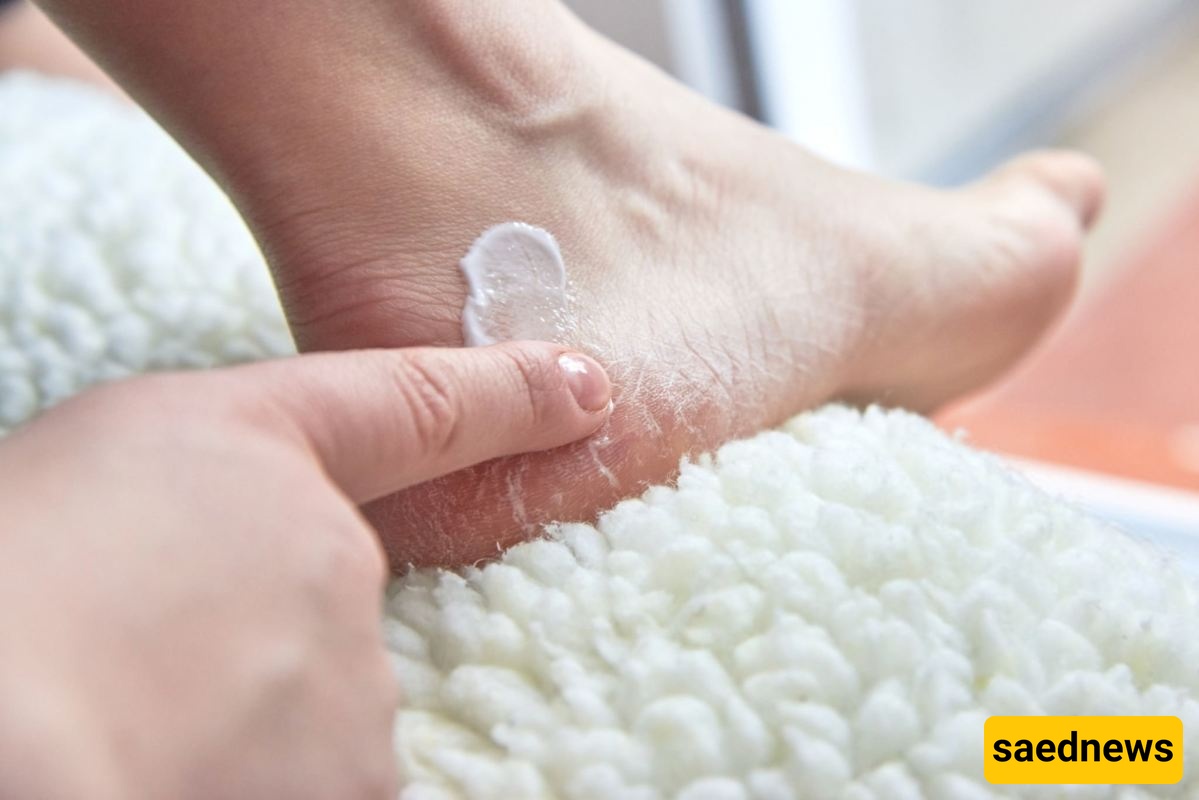
The deeper and drier the cracks, the greater the need for moisturization. However, increasing application frequency should be gradual and controlled.
During cold and dry weather, the skin requires additional care, and you may need to apply cream more frequently.
In contrast, during summer or in humid environments, once-daily application may often be sufficient.
People with very dry skin generally need more frequent moisturization, whereas those with normal or slightly oily skin may achieve satisfactory results with one daily application.
The ingredients in your foot cream play an important role in determining how frequently it should be used.
Urea (10–20%): Helps soften thickened, dead skin and has keratolytic properties. These creams are generally sufficient when applied once or twice daily.
Salicylic acid: Helps remove accumulated dead skin cells but should be used cautiously and according to product instructions.
Petroleum jelly, lanolin, and glycerin: These moisturizing ingredients can generally be used twice daily to help retain moisture and protect the skin.
Older adults, people with diabetes, and individuals taking certain medications should discuss their foot-care routine with a healthcare professional.
People with diabetes should be particularly careful because reduced sensation and slower wound healing can increase the risk of complications. Avoid applying products to open or bleeding cracks without medical advice.
The frequency of application is only part of the treatment. Using the cream correctly also plays an important role in achieving better results.
Follow these steps:
1. Wash and dry your feet thoroughly. Excess moisture can interfere with the proper application of certain creams, so gently dry your feet before applying the product.
2. Exfoliate gently once or twice a week. Use a pumice stone or a specialized foot file to remove accumulated dead skin. Avoid aggressive scrubbing.
3. Apply an appropriate amount of cream. Take a small, pea-sized amount and gently massage it into the cracked areas and surrounding skin.
4. Wear cotton socks after nighttime application. This helps keep the cream in contact with your skin and reduces moisture loss.
5. Choose the right time for application. Applying cream after bathing and before bedtime can be particularly effective because the skin is clean and ready for moisturization.
Alongside regular use of heel repair cream, adopting a few healthy habits can help prevent further cracking:
Drink enough water to maintain overall hydration.
Wear comfortable, properly fitting shoes and cotton socks.
Avoid standing for prolonged periods on hard surfaces.
Use a humidifier in particularly dry indoor environments.
Include foods rich in vitamins A and E and omega-3 fatty acids in your diet.
Certain habits can slow down recovery or make cracked heels worse.
Applying cream to open wounds without medical advice: This may cause irritation and increase the risk of complications.
Peeling off dead skin: Gentle exfoliation is preferable. Pulling or tearing loose skin can deepen existing cracks.
Stopping treatment immediately after improvement: The skin needs continued moisture to maintain its protective barrier. Continue with a maintenance routine.
Using fragranced or alcohol-based creams: Certain fragrances and alcohol-containing formulations can aggravate skin dryness or irritation.
Applying excessive amounts for faster results: Overuse does not necessarily accelerate healing and may have the opposite effect.
If your cracked heels do not improve after two to three weeks of consistent cream application, it is advisable to consult a healthcare professional.
You should also seek medical attention if the cracks are accompanied by:
Severe pain.
Bleeding.
Redness or swelling.
Signs of infection.
People with diabetes, circulation problems, or chronic skin conditions should consult a specialist before starting any home treatment.
For most people, applying heel repair cream twice daily, once in the morning and once before bedtime, is a practical routine for managing dry and cracked heels.
Mild cases may require only one application per day, while more severe cases may benefit from two to three applications, depending on the product's ingredients and professional recommendations.
Ultimately, consistency, choosing the right formulation, and following proper foot-care practices are the keys to maintaining soft, healthy heels and preventing cracks from returning.