SAEDNEWS: Eggs have long had a controversial reputation, mainly because of the cholesterol found in their yolks. As a result, many people believe that eating eggs regularly can raise blood cholesterol levels and potentially harm vital organs, including the liver and heart.
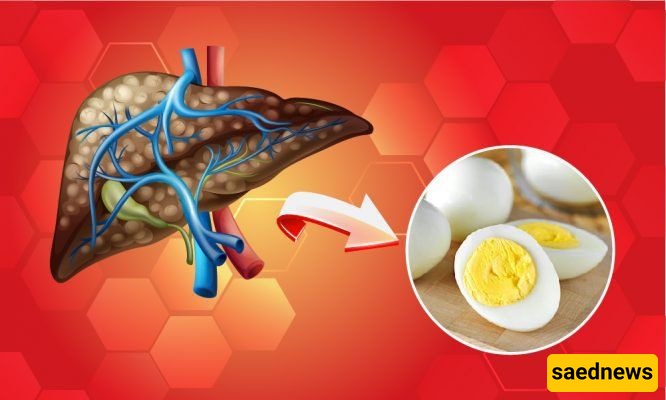
According to Saednews, In recent years, the question of whether eggs are good or bad for liver health has become increasingly common. Many people who receive an ultrasound report, abnormal liver enzyme results, or a diagnosis of fatty liver are quick to eliminate eggs from their diet.
On the other hand, some people describe eggs as a “miracle food for liver detoxification” and recommend eating several every day. Both extremes overlook the actual science behind liver function and the nutritional composition of eggs.
The truth is that eggs are highly nutritious foods that can be part of most healthy diets. The liver, meanwhile, is an organ that depends heavily on balanced nutrition, a healthy body weight, and avoiding harmful substances.
The answer to whether eggs are good or bad for the liver depends on several factors, including a person's health condition, the amount consumed, cooking method, overall dietary quality, and level of physical activity.
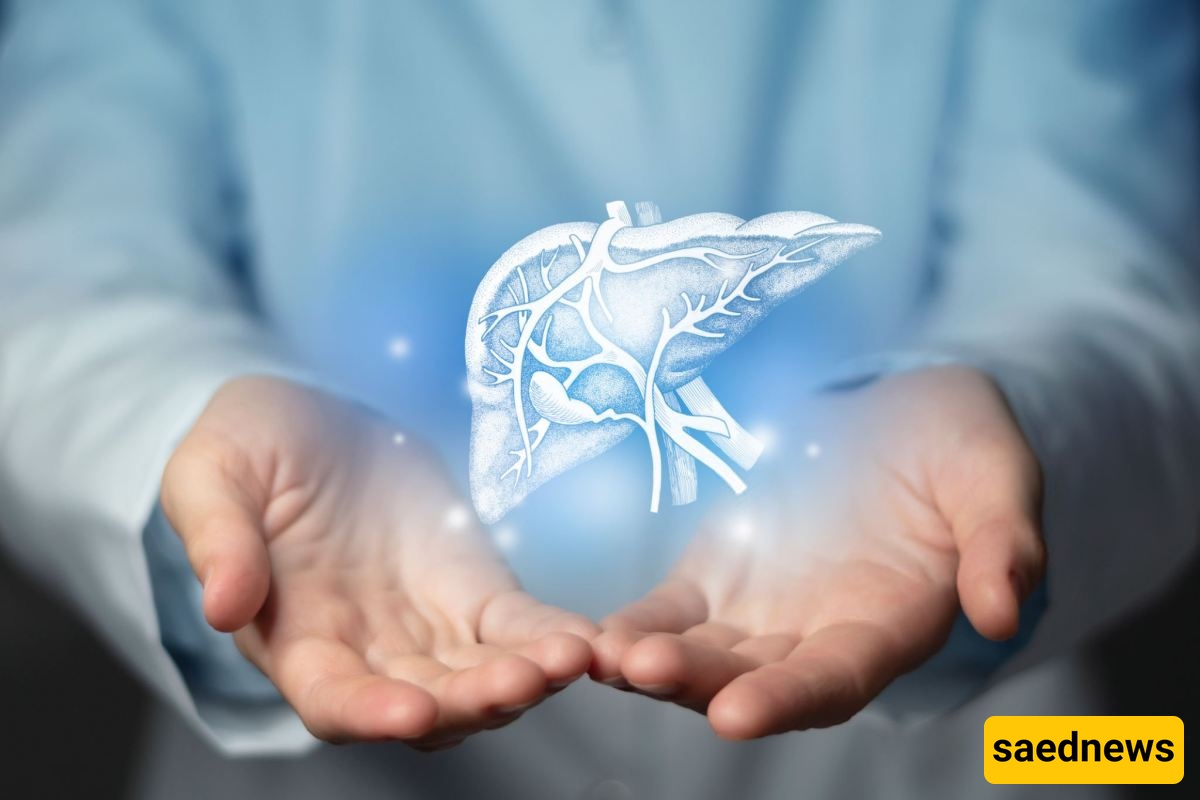
The liver is the largest internal organ in the human body and one of its most metabolically active organs. It performs numerous essential functions every moment, many of which are necessary for survival.
The liver's main functions include:
Macronutrient metabolism: The liver regulates blood sugar, stores glucose in the form of glycogen, and releases it when needed. It also plays a central role in producing, breaking down, and reorganizing fats.
Protein synthesis: Albumin, blood-clotting factors, and many transport proteins are produced in the liver.
Bile production: Bile is essential for digesting and absorbing dietary fats and fat-soluble vitamins.
Detoxification: The liver processes and neutralizes harmful substances, medications, and metabolic waste products.
Storage: Vitamins A, D, and B12, as well as iron and copper, are stored in the liver.
When the liver is exposed to chronic stress, such as excessive added sugar, saturated fats, alcohol, excess body weight, or certain medications, it may develop inflammation, fat accumulation, or fibrosis.
Nutrition plays a dual role in this process: it can contribute to liver damage or provide the foundation for recovery and maintaining healthy liver function.
Eggs should therefore be evaluated within the context of an individual's overall diet rather than viewed as either entirely beneficial or harmful.
One medium-sized egg provides approximately 70 calories and delivers an impressive combination of nutrients in a relatively small serving.
The following table provides an overview of its main nutritional components:
Nutrient | Approximate amount | Daily Value (DV) |
|---|---|---|
Energy | 72–78 kcal | ~4% |
Protein | 6 g | ~12% |
Total fat | 5 g | ~6% |
Saturated fat | 1.6 g | ~8% |
Carbohydrates | 0.4 g | ~0% |
Water | 3.6 g | — |
One important detail that many people overlook is that a large proportion of these nutrients, particularly choline, fat-soluble vitamins, and carotenoids, are concentrated in the egg yolk.
Permanently eliminating egg yolks because of concerns about cholesterol also means missing out on a significant portion of the egg's nutritional value.
For many years, it was believed that eating cholesterol-rich foods directly increased blood cholesterol levels and consequently damaged the liver. This idea was based on older research and led to restrictions on egg consumption for decades.
However, in recent years, major dietary guidelines, including the US Dietary Guidelines, have moved away from setting a specific numerical limit on dietary cholesterol and instead emphasize overall dietary patterns.
This change reflects a better understanding of cholesterol metabolism.
The liver is the body's primary cholesterol-producing organ, and a substantial proportion of blood cholesterol is produced internally rather than obtained directly from food.
In most people, moderate dietary cholesterol consumption does not cause a significant increase in blood cholesterol because the body has regulatory mechanisms that help maintain balance.
However, not everyone responds in the same way. Some individuals are more sensitive to dietary cholesterol and may experience different changes in cholesterol levels when they consume large amounts of eggs.
People with inherited high cholesterol, diabetes, or cardiovascular disease may also need individualized dietary recommendations.
The practical conclusion is that completely avoiding eggs because of cholesterol concerns is not scientifically justified for everyone. However, ignoring portion sizes and individual health conditions is equally unwise.

The liver requires sufficient amino acids to produce albumin, clotting factors, and enzymes.
Egg protein is considered one of the highest-quality protein sources because of its amino acid composition and excellent digestibility.
For people experiencing protein-energy malnutrition or patients with liver disease who have increased protein requirements, eggs can provide an accessible, affordable, and well-tolerated source of protein.
However, in advanced stages of liver disease, particularly when complications such as hepatic encephalopathy are present, the amount and type of protein should be adjusted under the supervision of a medical team.
Choline is an essential nutrient that the body can produce in small amounts, but internal production is not sufficient to meet the body's requirements.
Choline plays an important role in producing phosphatidylcholine, a compound necessary for packaging triglycerides and transporting them out of liver cells.
Animal studies have linked choline deficiency to fat accumulation in the liver.
Eggs are among the richest dietary sources of choline in typical diets, making them an important contributor to meeting the body's nutritional needs.
This point should be interpreted carefully: getting enough choline supports metabolic health, but it does not independently cure fatty liver disease or replace weight loss, physical activity, and improvements to the overall diet.
The B vitamins found in eggs contribute to energy production, methylation reactions, and cellular health.
Selenium and egg-yolk carotenoids, such as lutein and zeaxanthin, also help reduce oxidative stress.
Oxidative stress is one of the important mechanisms involved in liver cell damage associated with fatty liver disease and hepatitis.
Therefore, regularly obtaining antioxidants from a variety of dietary sources, including eggs, can form part of a protective dietary pattern.
Nevertheless, there is insufficient evidence to recommend eggs as a specific liver-protective supplement, and their benefits should not be exaggerated.
The protein and fat content of eggs can help people feel full for longer.
A breakfast containing eggs may reduce the likelihood of reaching for sugary, high-calorie snacks throughout the day.
Since gradual weight loss and weight management are among the most effective approaches to improving non-alcoholic fatty liver disease, including eggs in a balanced eating plan may indirectly support liver health.
Non-alcoholic fatty liver disease is one of the most common chronic liver conditions worldwide. It is closely associated with abdominal obesity, insulin resistance, type 2 diabetes, and abnormal blood lipid levels.
In this condition, fat droplets accumulate inside liver cells. As the disease progresses, they may contribute to inflammation and fibrosis.
Eggs themselves are not a direct cause of fatty liver disease.
Problems may arise when eggs are part of a diet containing excessive calories, added sugars, white bread, sugary beverages, and saturated fats.
Consider the difference between these two breakfasts:
Less healthy option: Fried eggs cooked in butter, served with sausages and white bread.
Healthier option: Boiled eggs served with fresh vegetables and whole-grain bread.
The potential effects of these two meals on liver health can be very different.
In the first example, the concern lies in the overall combination of foods rather than eggs alone.
Eggs can be a nutritious part of a liver-friendly diet when consumed in moderation and prepared using healthy cooking methods.
Their high-quality protein, choline, B vitamins, selenium, and antioxidants provide valuable nutrients that support normal metabolic and cellular functions.
However, eggs are not a miracle food, nor can they detoxify or independently cure the liver.
For better liver health, focus on maintaining a healthy body weight, eating a balanced diet rich in vegetables and whole grains, limiting added sugars and saturated fats, staying physically active, and avoiding excessive alcohol consumption.
Ultimately, whether eggs are beneficial or unsuitable depends on your overall dietary pattern, individual health status, and how they are prepared.