SAEDNEWS: Chickpeas hold a special place in pigeon diets thanks to their high protein content and beneficial minerals. This article explores their nutritional benefits, recommended feeding quantities, preparation methods, and essential safety guidelines for pigeons.
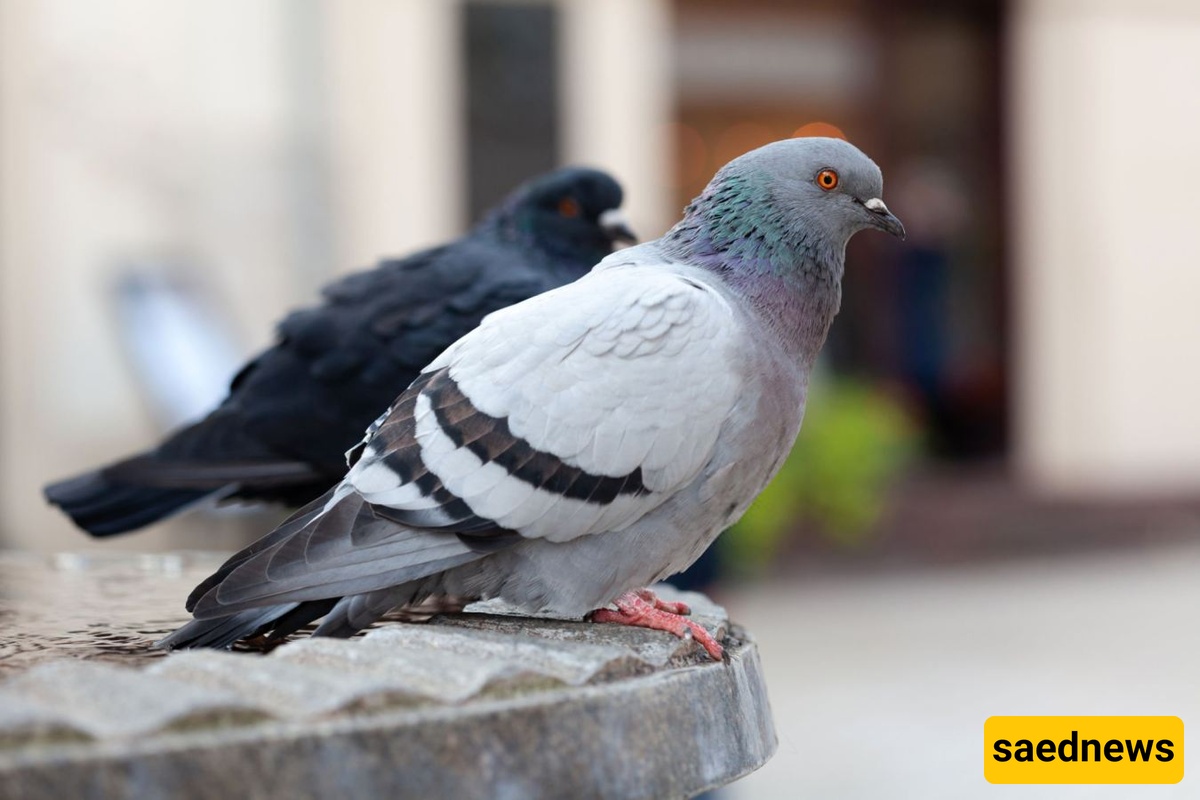
According to Saednews, Proper nutrition is one of the most important factors in maintaining a pigeon's health, improving flight performance, and supporting reproductive success. Among the various ingredients used in pigeon diets, chickpeas hold a special place because of their high nutritional value, considerable protein content, and beneficial minerals.
Many pigeon breeders and enthusiasts use chickpeas as a source of protein and energy, particularly during training, mating, and chick-rearing periods. However, an important question remains: What are the benefits of chickpeas for pigeons, and how should they be fed to maximize their nutritional benefits while minimizing potential risks?
Chickpeas are nutrient-rich legumes containing protein, carbohydrates, dietary fiber, B vitamins, and minerals such as iron, phosphorus, magnesium, and potassium. However, like any other feed ingredient, chickpeas should be offered according to proper nutritional principles, appropriate quantities, and suitable preparation methods.
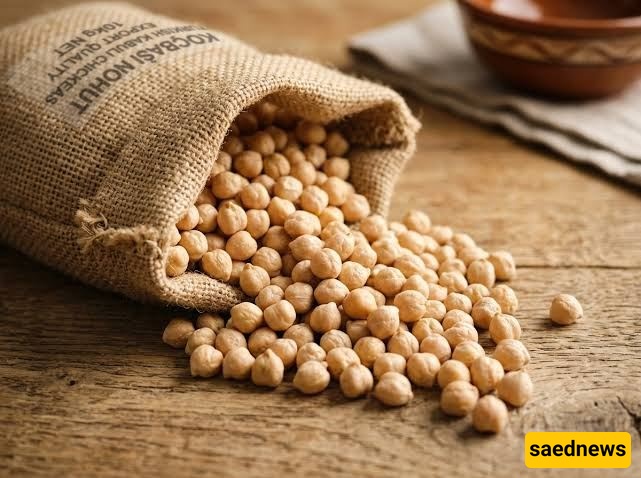
Chickpeas belong to the legume family and are widely recognized as a valuable source of plant-based protein. In pigeon feeding, they can be offered whole, soaked, cooked, or occasionally ground and mixed with other grains and seeds.
Their nutritional importance comes from several key factors:
High protein content: Protein is essential for muscle development, tissue repair, feather production, and maintaining overall health.
Energy supply: The carbohydrates in chickpeas provide energy that can support pigeons during training and flight.
Essential minerals: Iron, phosphorus, magnesium, and potassium contribute to bone health, blood formation, and normal nerve function.
Dietary fiber: Fiber supports digestive function and helps maintain healthy intestinal activity.
B vitamins: These vitamins play important roles in energy metabolism and nervous system health.
Despite these benefits, chickpeas should never be used as the sole feed or provided without limits. A balanced pigeon diet should contain an appropriate combination of grains, legumes, oilseeds, and necessary nutritional supplements.
One of the main benefits of chickpeas for pigeons is their ability to supply dietary protein.
Growing pigeons, regularly trained birds, and breeding pigeons generally require adequate protein to maintain their bodies and support normal development.
The protein found in chickpeas contributes to:
Muscle development and maintenance.
Repair of damaged tissues.
Maintaining physical strength.
Supporting healthy feather growth.
However, chickpea protein alone does not provide a complete nutritional profile. It should be combined with other appropriate protein sources and feed ingredients.
Pigeons, particularly racing and regularly trained birds, require considerable energy for flight and physical activity.
The carbohydrates in chickpeas can contribute to meeting these energy requirements. When included in a balanced feeding program, chickpeas can help support endurance and reduce the risk of inadequate energy intake.
Nevertheless, the primary energy supply should come from a properly balanced mixture of grains and suitable seeds. Chickpeas should remain only one component of the overall diet.
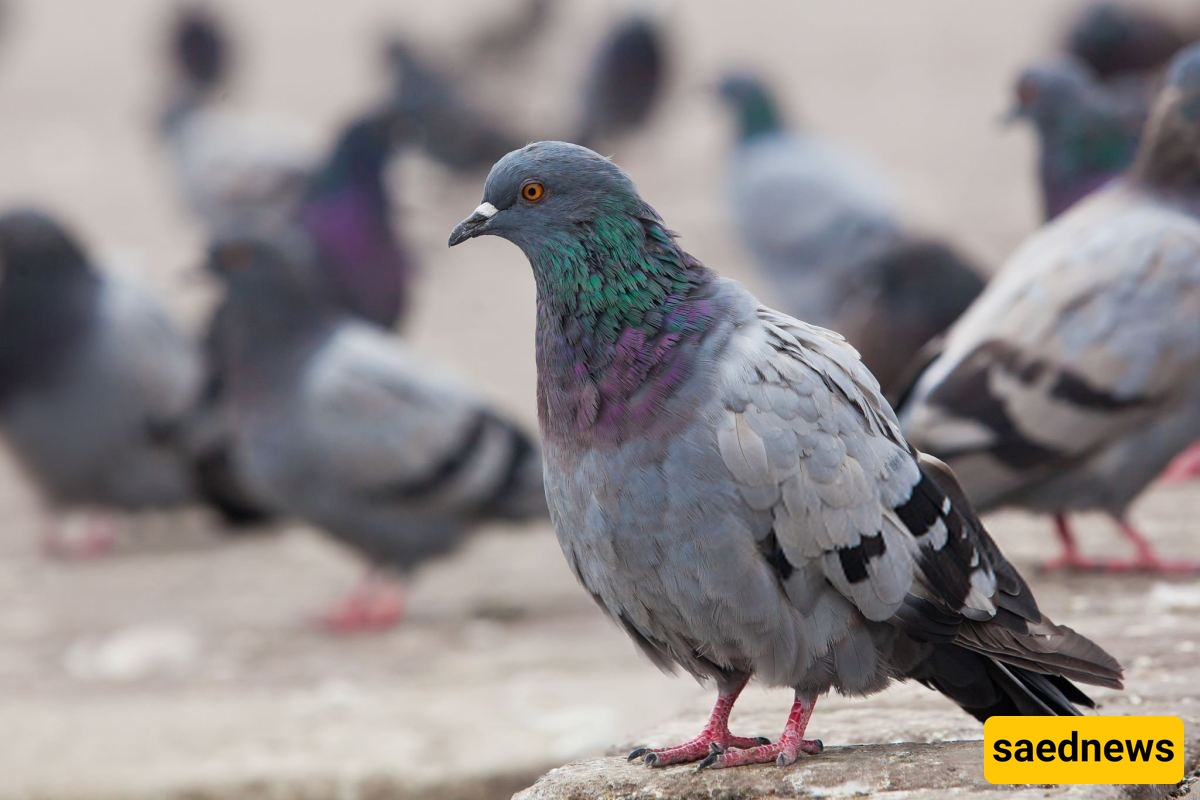
Healthy, glossy feathers are among the visible indicators of a pigeon's overall condition.
Chickpeas contain protein, B vitamins, and several minerals that contribute to maintaining healthy skin and supporting feather development.
These nutrients may help:
Maintain feather strength.
Support normal feather growth.
Reduce feather weakness associated with nutritional deficiencies.
Maintain healthy skin.
For this reason, some breeders include chickpeas in their pigeons' diets during molting or after stressful periods.
The dietary fiber in chickpeas can help support intestinal movement and normal digestive function.
However, excessive fiber intake may cause bloating or digestive discomfort. Therefore, the quantity of chickpeas should always be controlled.
Soaked or properly cooked chickpeas are generally easier to digest than dry chickpeas.
Chickpeas contain vitamins, minerals, and antioxidant compounds that contribute to general health and normal immune function.
Adequate nutrition helps pigeons maintain their natural resistance to disease and recover from physical stress.
However, chickpeas are not a substitute for vaccination, proper hygiene, disease prevention, or veterinary care.
During mating, egg production, and chick-rearing periods, breeding pigeons require sufficient protein and minerals.
Chickpeas can help provide some of these nutritional requirements.
Their protein content contributes to:
Normal egg formation.
Embryonic development.
Healthy chick growth.
Maintaining the condition of breeding adults.
Minerals such as phosphorus and magnesium also contribute to bone health and normal reproductive functions.
Nevertheless, breeding pigeons should receive a carefully balanced diet prepared according to their nutritional requirements, preferably with guidance from an avian veterinarian or qualified nutritionist.
Phosphorus, magnesium, and calcium are important minerals for maintaining strong bones.
Chickpeas provide phosphorus and magnesium, which contribute to skeletal health and normal body functions.
However, their calcium content is relatively limited. Pigeons must obtain sufficient calcium from other appropriate dietary sources, particularly during egg production.
The appropriate amount of chickpeas depends on several factors, including the pigeon's age, body weight, activity level, season, reproductive condition, and the overall nutritional composition of its diet.
The following percentages are general feeding guidelines rather than scientifically established requirements:
Adult pigeons with low activity levels: Approximately 5–8% of the total feed mixture.
Training and racing pigeons: Approximately 10–15%, depending on training intensity and the overall diet.
Breeding pigeons: Up to approximately 15% when appropriate and under nutritional guidance.
Young pigeons and squabs: Chickpeas should be introduced carefully in small quantities, preferably softened, soaked, or appropriately ground.
The most important principle is that chickpeas should be part of a balanced feeding mixture rather than the primary food source.
Sudden dietary changes may also cause digestive problems. Any adjustment to a pigeon's diet should therefore be introduced gradually over several days.
To obtain the nutritional benefits of chickpeas while reducing potential digestive problems, proper preparation is essential.
1. Soak the chickpeas
Soak chickpeas in clean water for approximately 8–12 hours. This softens the seeds and may help reduce certain antinutritional compounds.
2. Wash thoroughly
After soaking, rinse the chickpeas thoroughly with clean water to remove dirt and other unwanted residues.
3. Cook if necessary
Cooking can improve digestibility and reduce certain antinutritional factors. Cooked chickpeas should be completely plain, without salt, oil, spices, or other additives.
4. Remove excess surface moisture
If feeding soaked chickpeas, drain them properly and remove excess surface moisture. This helps reduce the risk of spoilage and mold growth.
5. Introduce them gradually
Begin with small quantities and gradually incorporate chickpeas into the regular feed mixture. Observe the pigeons for any signs of digestive discomfort.
6. Avoid spoiled chickpeas
Never feed chickpeas that show signs of mold, discoloration, insect infestation, or an unpleasant smell.
Although chickpeas offer several nutritional benefits, excessive consumption or improper preparation can cause problems.
Digestive discomfort and bloating: Large quantities of chickpeas, particularly dry or improperly prepared ones, may cause digestive discomfort and bloating.
Nutritional imbalance: Excessive use of chickpeas can disrupt the nutritional balance of the overall diet.
Unwanted weight gain: Chickpeas contain carbohydrates and provide energy. Excessive feeding, especially in inactive pigeons, may contribute to weight gain.
Mold and aflatoxin contamination: Chickpeas stored under unsuitable conditions may develop mold. Certain molds produce aflatoxins, which can be highly harmful to pigeons.
Agricultural chemical residues: Always purchase chickpeas from reliable sources to reduce the risk of pesticide contamination.
Possible sensitivity reactions: Although uncommon, individual pigeons may react poorly to certain components of chickpeas.
If you notice symptoms such as loss of appetite, diarrhea, severe bloating, reduced activity, or unusual behavior, stop feeding chickpeas and consult an avian veterinarian.
To make the best use of chickpeas in pigeon nutrition, consider the following recommendations:
Always combine chickpeas with other suitable grains and seeds.
Provide clean, fresh drinking water at all times.
Make appropriate grit and minerals available to support digestion and overall health.
Adjust the feeding mixture according to the pigeon's age, activity level, and health condition.
Purchase chickpeas from reliable suppliers and ensure they are clean and properly stored.
Consult a veterinarian before making significant dietary changes during illness or medication.
Chickpeas can be a valuable addition to a pigeon's diet because they provide plant-based protein, carbohydrates, dietary fiber, B vitamins, and important minerals. When included in appropriate quantities, they can contribute to muscle maintenance, feather development, energy requirements, digestive function, and breeding nutrition.
However, the benefits depend on proper preparation, controlled feeding amounts, and a balanced overall diet. Soaking or cooking chickpeas, introducing them gradually, and avoiding spoiled or contaminated seeds are essential precautions.
The key to successful pigeon nutrition is balance, not simply increasing the amount of a particular feed ingredient. Chickpeas can support a pigeon's health and performance, but they should always be used as part of a complete and carefully managed feeding program.