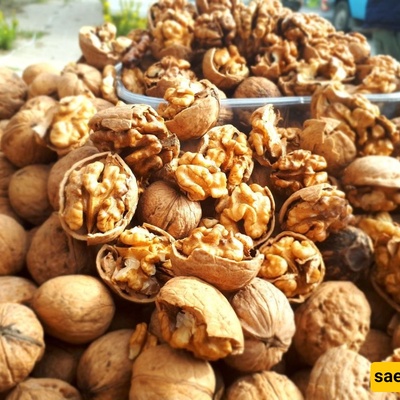
SAEDNEWS: Fesenjan is one of Iran’s most traditional and beloved stews, and its flavor and color largely depend on the quality of the walnuts used. This article explores the key characteristics of the best walnuts for Fesenjan, including freshness, color, aroma, taste, and oil content, to help you make the perfect choice.
According to Saednews, Fesenjan is one of Iran’s most traditional and beloved stews. Its flavor, color, and thickness depend largely on the quality of the walnuts used. Although many people assume that any type of walnut is suitable for making Fesenjan, choosing the wrong walnuts can make the final dish bitter, overly sharp, or lacking in aroma. In fact, high-quality walnuts for Fesenjan should have specific characteristics in terms of freshness, color, aroma, taste, oil content, and kernel quality.
Walnuts are the main ingredient in Fesenjan and contribute significantly to the stew’s texture, thickness, and flavor. Unlike many dishes in which walnuts are used mainly as a garnish or secondary ingredient, Fesenjan relies on walnuts as one of its two essential ingredients, alongside pomegranate molasses.
Therefore, if the walnuts are old, bitter, or low in oil, the final result will not be satisfactory, even when using the finest pomegranate molasses and chicken.
Fresh, high-quality walnuts create a delicious, rich-colored, and relatively thick stew when cooked with pomegranate molasses. On the other hand, stale walnuts or those with dark kernels can give the dish a sharp, unpleasant taste and make its color darker and duller.
For this reason, understanding the characteristics of suitable walnuts is one of the most important steps in preparing this traditional Persian dish.
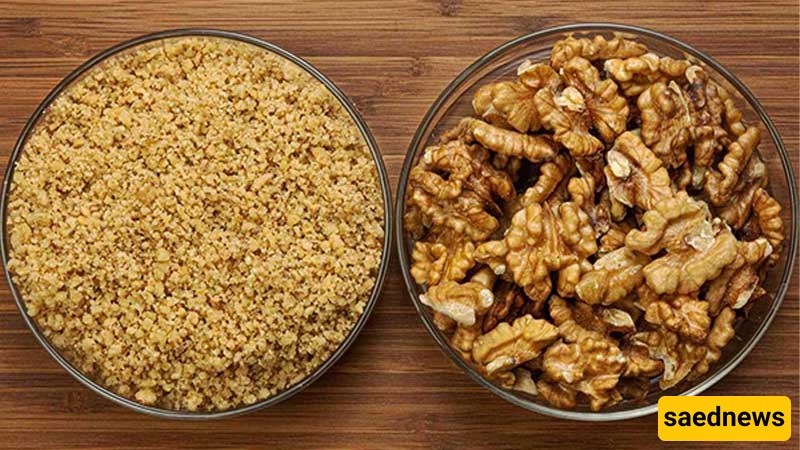
The most important characteristic of suitable walnuts is freshness. Because walnuts contain a high amount of natural oil, they can oxidize quickly when stored improperly, developing a sharp taste and stale smell.
Fresh walnuts generally have a pleasant, slightly sweet aroma and bright, healthy kernels. Old walnuts may smell like burnt oil or have an unpleasant stale odor. Such walnuts should not be used for Fesenjan.
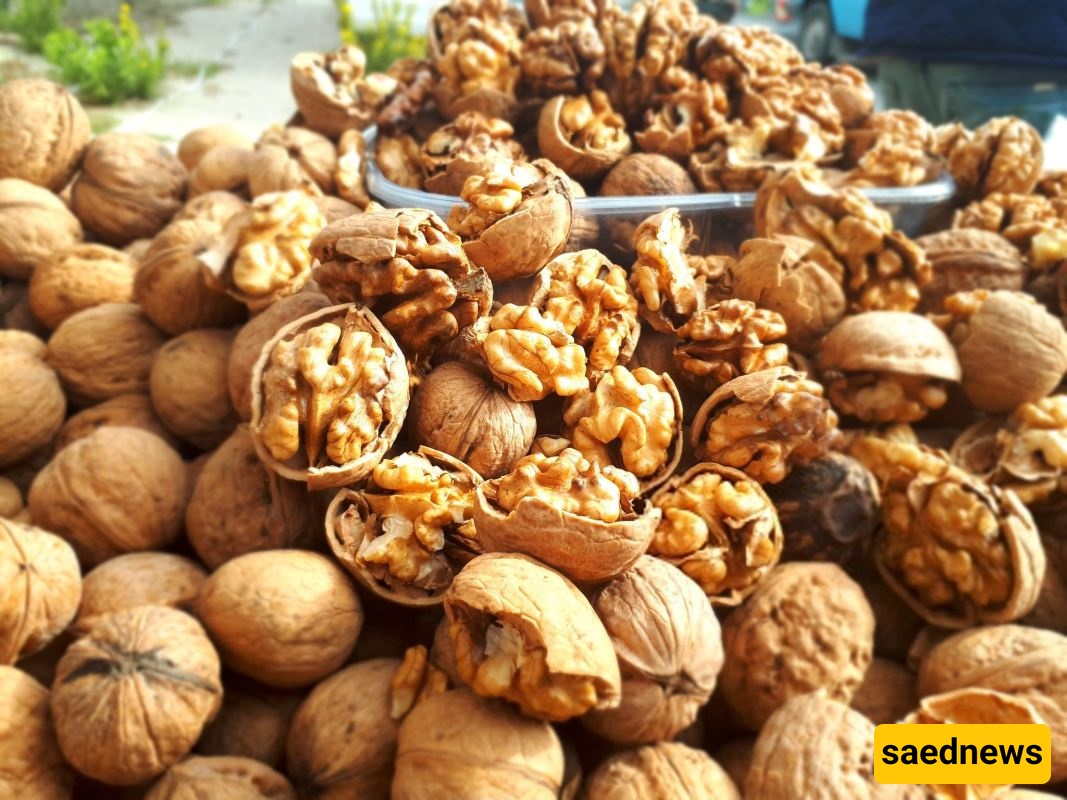
The kernels should be light-colored, cream-colored, or ivory. Black, dark brown, or spotted kernels may indicate aging, moisture damage, or improper storage.
The thin skin covering the walnut kernel may naturally be light brown, but the kernel itself should not look dark or dull.
Generally, lighter walnut kernels produce a more natural-looking stew with a milder flavor.
Walnuts suitable for Fesenjan often have relatively thin shells that are easier to crack. Thick, hard shells may indicate a less suitable variety or excessive dryness.
Although only the kernels are used in Fesenjan, a thin shell can be an indication of good quality. The kernels should also separate easily from the shell without being excessively broken or damaged.
Walnut kernels should be relatively uniform in size, full, and intact. Wrinkled, hollow, or heavily broken kernels generally indicate lower quality.
Full and heavier kernels usually contain more natural oil, making them more suitable for Fesenjan. Uniformity is also a good indication of careful harvesting and handling.
Walnuts for Fesenjan should be neither excessively dry nor too moist.
Overly dry walnuts may turn into powder when ground and may not release enough oil during cooking. Excessive moisture, on the other hand, can encourage mold growth and spoilage.
Healthy walnut kernels should feel relatively heavy, full, and slightly oily.
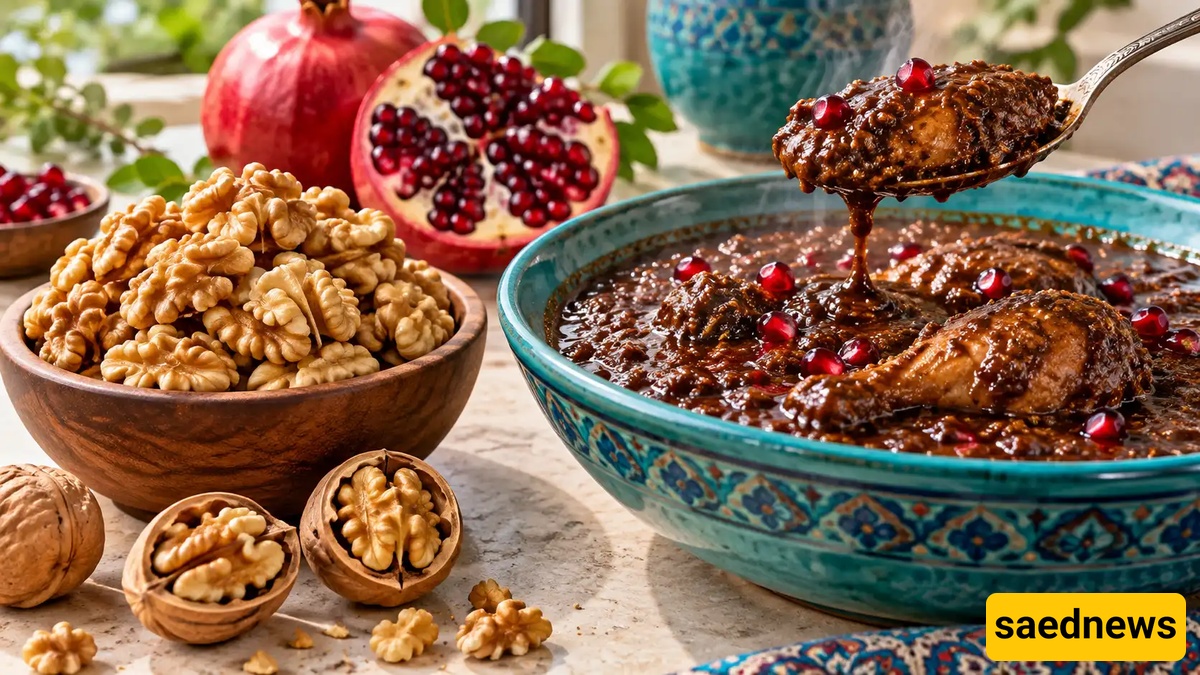
Good walnuts for Fesenjan should not taste bitter or excessively sharp. Strong bitterness is often associated with aging, the walnut's outer skin, or an unsuitable variety.
Fresh walnuts usually have a mild, slightly sweet flavor.
If a bitter or unpleasant taste remains in your mouth after tasting the walnuts, it is better not to use them for Fesenjan.
High-quality walnuts have a mild, natural, and slightly sweet aroma.
A strong smell resembling paint, burnt oil, or stale food may indicate that the walnut oil has oxidized. Such walnuts can ruin the flavor of Fesenjan and may also be undesirable from a food-quality perspective.
Smelling the walnuts before purchasing them is one of the simplest ways to assess their quality.
Walnuts are naturally rich in oil, and this oil plays an important role in creating the rich texture and delicious flavor of Fesenjan.
Suitable walnuts should have full kernels with a relatively high oil content.
Dry, low-oil walnuts may result in a thin or watery stew with an unsatisfactory consistency. However, the natural oil should be fresh rather than oxidized or rancid.
Fresh walnuts generally have a subtle sweetness that helps create a balanced flavor when combined with pomegranate molasses, sugar, or honey.
Bitter or sharp-tasting walnuts can disrupt this balance and may require additional sugar to compensate. As a result, the final stew may become excessively sweet or lose its traditional flavor balance.
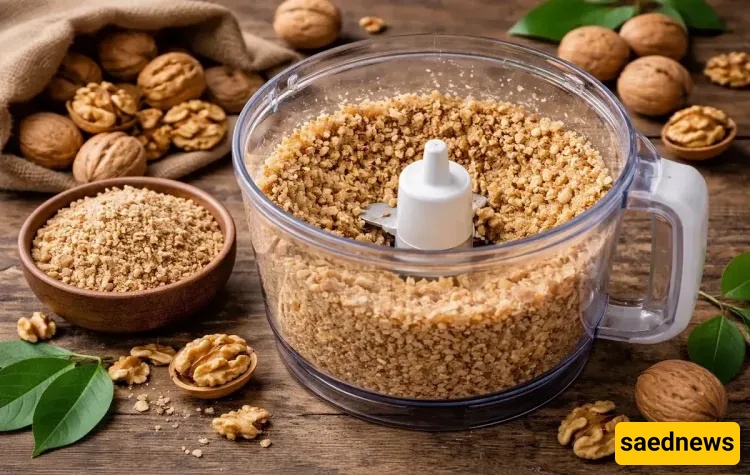
There are several varieties of walnuts available on the market. For Fesenjan, Iranian walnuts with light-colored kernels, high natural oil content, and relatively thin shells are generally good choices.
Walnuts grown in cold and mountainous regions often have fuller, oilier kernels. Some varieties also have whiter kernels and a milder flavor, making them particularly desirable for preparing Fesenjan.
In contrast, green, unripe walnuts, which are commonly used to prepare pickled walnuts, are not suitable for this stew.
Similarly, very dark or black walnuts with a bitter taste should be avoided.
Overall, the best walnuts for Fesenjan should have fresh, light-colored, oil-rich kernels without any unpleasant bitterness.
Certain characteristics clearly indicate that walnuts are unsuitable for preparing Fesenjan:
A stale, sharp, or paint-like smell.
Black, dark brown, or spotted kernels.
A bitter or astringent taste.
Wrinkled, hollow, or excessively dry kernels.
Visible mold or excessive moisture inside the packaging.
Very thick shells with kernels that stick to them.
Excessive breakage or crushed walnut kernels.
Using walnuts with these characteristics can significantly change the taste and aroma of Fesenjan.
Therefore, when buying walnuts, you should not focus solely on their price or packaging appearance. Pay attention to their freshness, aroma, kernel color, taste, and natural oil content.
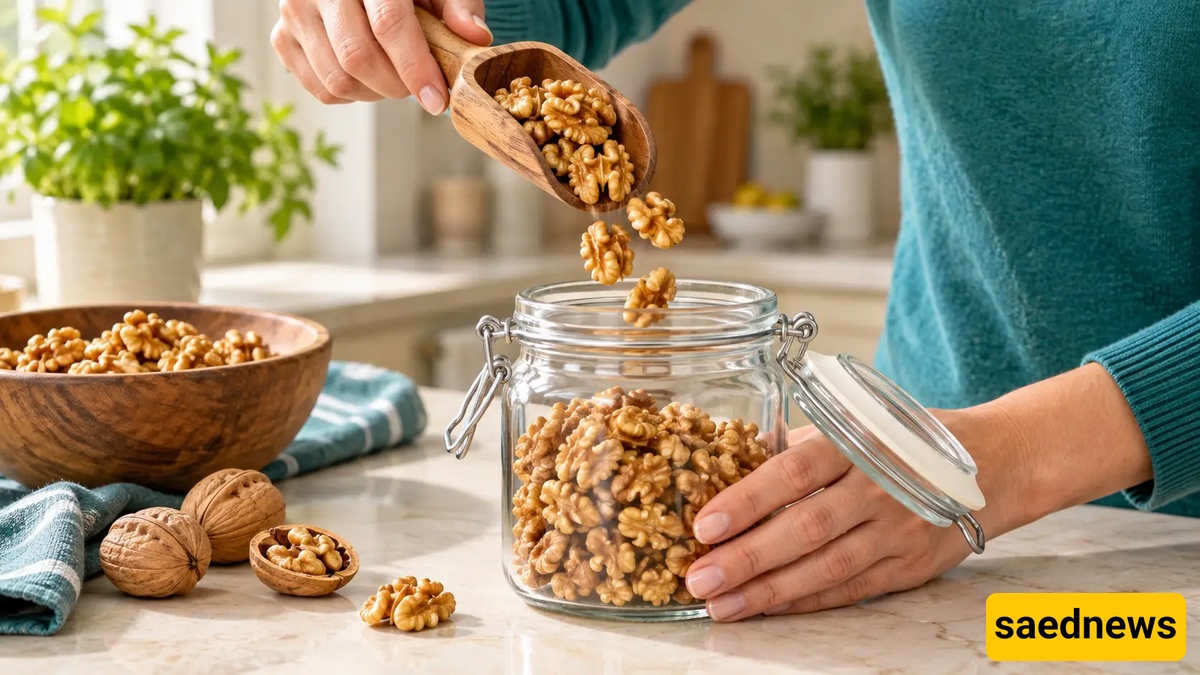
The secret to preparing rich, flavorful, and authentic Persian Fesenjan begins with choosing the right walnuts. Freshness, light-colored kernels, a pleasant aroma, mild sweetness, and sufficient natural oil are the most important qualities to consider.
By selecting high-quality walnuts and avoiding stale, bitter, or rancid ones, you can achieve the traditional flavor, rich texture, and appealing color that make Fesenjan such a beloved Persian dish.