SAEDNEWS: Saffron flowers are usually cleaned using three different methods. In this article, we will explain the most common techniques for cleaning saffron flowers and show you how to separate saffron threads quickly and efficiently.
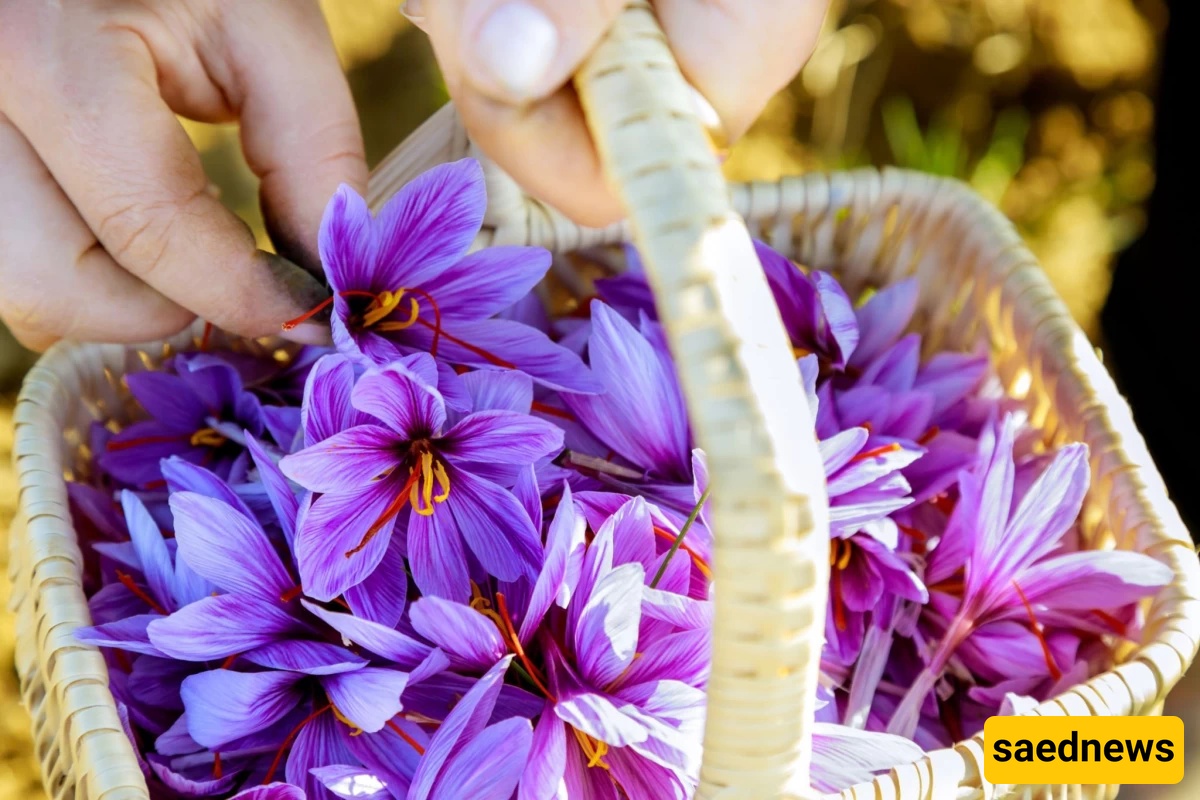
According to Saednews, Saffron flower cleaning is generally carried out using three different methods. During the cleaning process, avoid using scissors whenever possible and separate the saffron threads by hand. This helps produce premium-quality saffron without any white portions of the style. It is also possible to separate the saffron roots and yellow stamens, which can be economically beneficial.
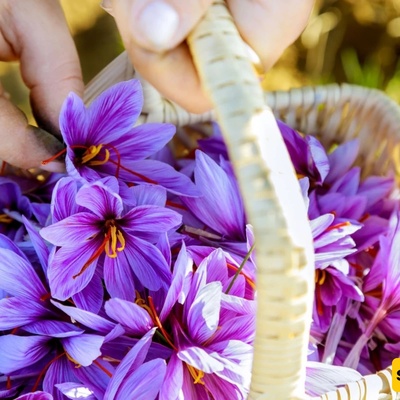
Saffron flowers are the result of farmers’ hard work, usually harvested around sunrise. To obtain the highest-quality saffron with maximum coloring strength, flowers should be picked before sunrise. Harvesting at this time also makes the process easier.
Saffron flowers should be cleaned immediately after harvesting to prevent the petals and stigmas from wilting.
After harvesting, allow the saffron flowers to rest briefly so they become softer and easier to handle. Cleaning tightly closed flower buds and separating their parts can be difficult, and excessive force may damage the stigmas and styles.
For proper hygiene, wash your hands with soap and water both before and after handling saffron. Disposable gloves can also be used.
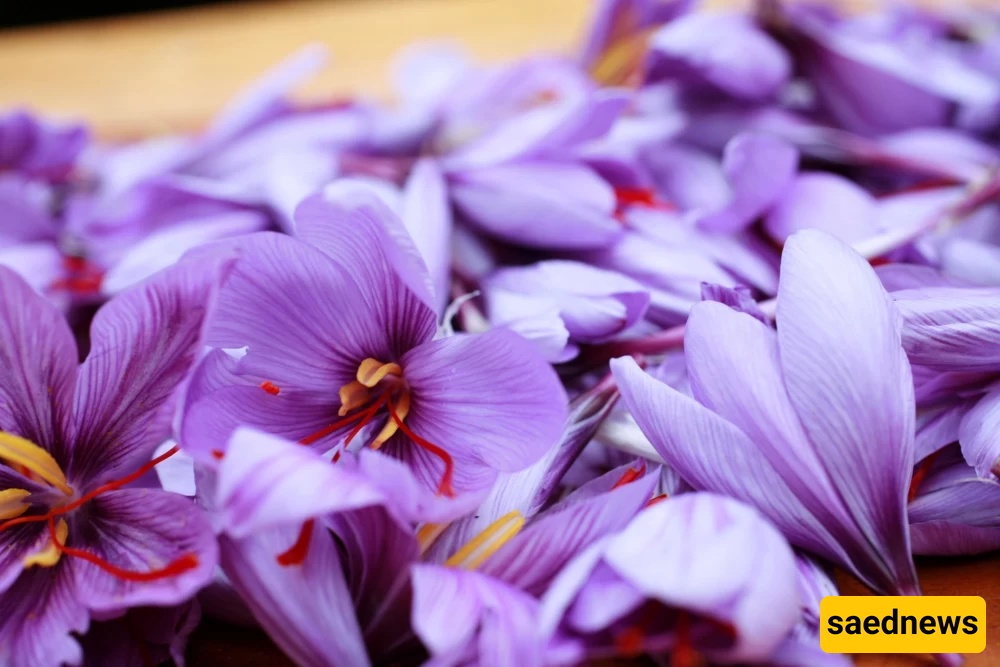
The flower buds should be opened on the same day they are harvested. The style, together with its three red stigmas (the upper parts of the female reproductive organ of the flower), is carefully removed.
Saffron flowers should ideally be harvested before they open. Otherwise, during the separation process, some stigmas may break or become mixed with petals and stamens, reducing the overall quality of the final product.
Saffron flowers can be cleaned using the following three methods:
Method 1: Separating the Three Red Stigmas
The three red stigma branches are separated from the style, ensuring that no yellow or white portions remain attached.
Method 2: Separating the Stigmas from Their Base
The stigmas are separated from the lower end, without including any yellow or white parts. The three branches should remain separated from one another.
Method 3: Bunching (Traditional Dasteh or Dokhtar-Pich Method)
In this method, the stigmas and styles are arranged together and tied with colorless silk thread.
However, because the style remains attached and the saffron threads are placed closely together, moisture can accumulate. This may increase the risk of mold growth and microbial contamination, potentially reducing the quality of the saffron.
When cleaning saffron, avoid using blankets, foam materials, newspapers, or colored fabrics. Their dyes may transfer to the saffron threads, potentially creating problems when the product is sold.
Instead, use clean, white, lint-free cloths or specially designed mesh trays to ensure that the saffron remains clean and uncontaminated.
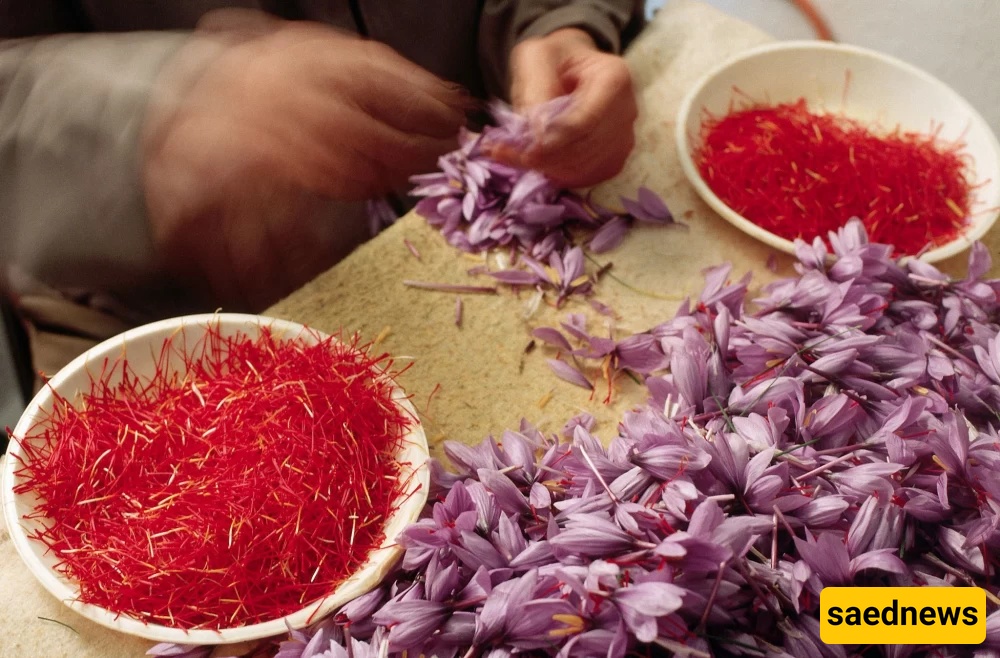
Workers involved in saffron cleaning should follow these important hygiene practices:
Trim fingernails before starting the cleaning process.
Wash and thoroughly dry hands before handling saffron.
Workers who are sensitive or allergic to saffron flower pollen should cover their nose and mouth with a clean cloth or an appropriate protective mask.
Avoid touching other parts of the body while handling saffron.
If hands come into contact with any part of the body, wash them again with soap and water.
Wearing disposable gloves throughout the cleaning process is recommended.
Once approximately 215–222 grams of fresh saffron stigmas have been collected, they should be dried immediately using appropriate drying methods to preserve their quality, aroma, color, and shelf life.
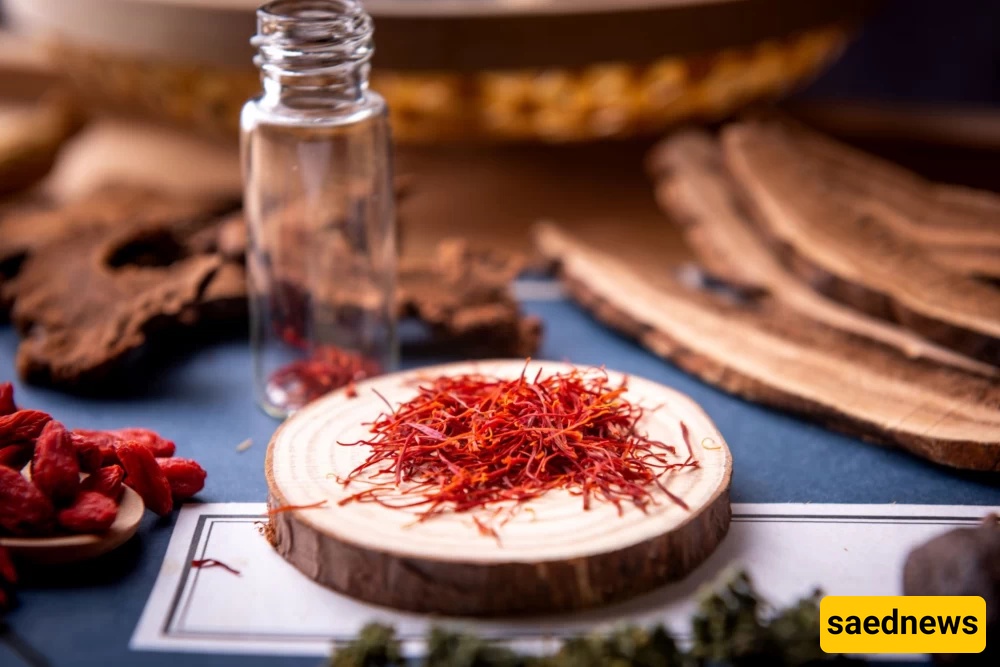
For home use, the most practical approach is to harvest saffron flowers early in the morning, allow them to rest briefly, and carefully separate the three red stigmas by hand on a clean, white surface. Maintain proper hygiene and dry the separated saffron as soon as possible to achieve the best results.