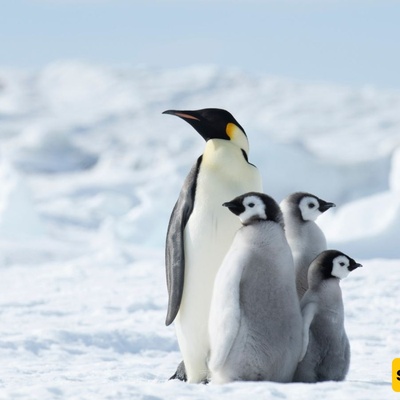
SAEDNEWS: In Antarctica, temperatures can plunge below −40°C, while powerful winds make the cold feel even more intense. Yet penguins survive these extreme conditions without any mysterious antifreeze. Their secret lies in a remarkable combination of adaptations that have evolved over millions of years.
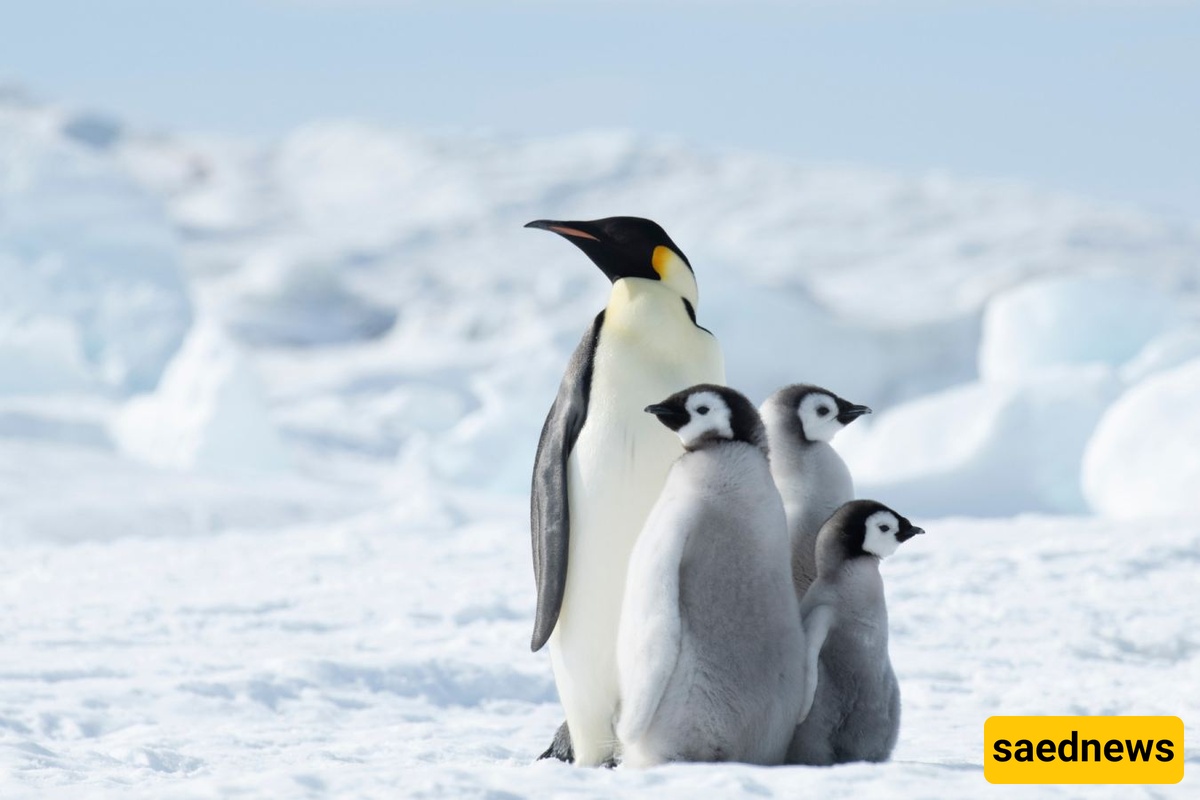
According to Saednews, In Antarctica, temperatures can plunge below –40°C, while powerful winds make the cold feel even more extreme. Under such harsh conditions, a natural question arises: How do penguins survive without freezing? The answer is not a mysterious antifreeze substance, but rather a combination of biological, behavioral, and physiological adaptations that have evolved over millions of years. Through natural insulation, efficient blood circulation, group behavior, and internal heat production, penguins maintain their core body temperature within a safe range. In this article, we explore how penguins survive extreme cold and why their bodies do not freeze.
Penguins are warm-blooded, or endothermic, animals. This means their body temperature remains relatively independent of the surrounding environment. They generate heat internally by using energy.
The core body temperature of penguins typically remains around 38–39°C, even when the outside temperature drops far below freezing.
However, not every part of a penguin's body needs to stay warm. Like other warm-blooded animals, penguins can allow their extremities, such as their feet, flippers, and beaks, to become much colder than their internal organs.
By reducing the temperature of these outer body parts while protecting vital organs, penguins prevent sensitive tissues from freezing.
Their survival depends on maintaining a careful balance between producing body heat and minimizing heat loss.
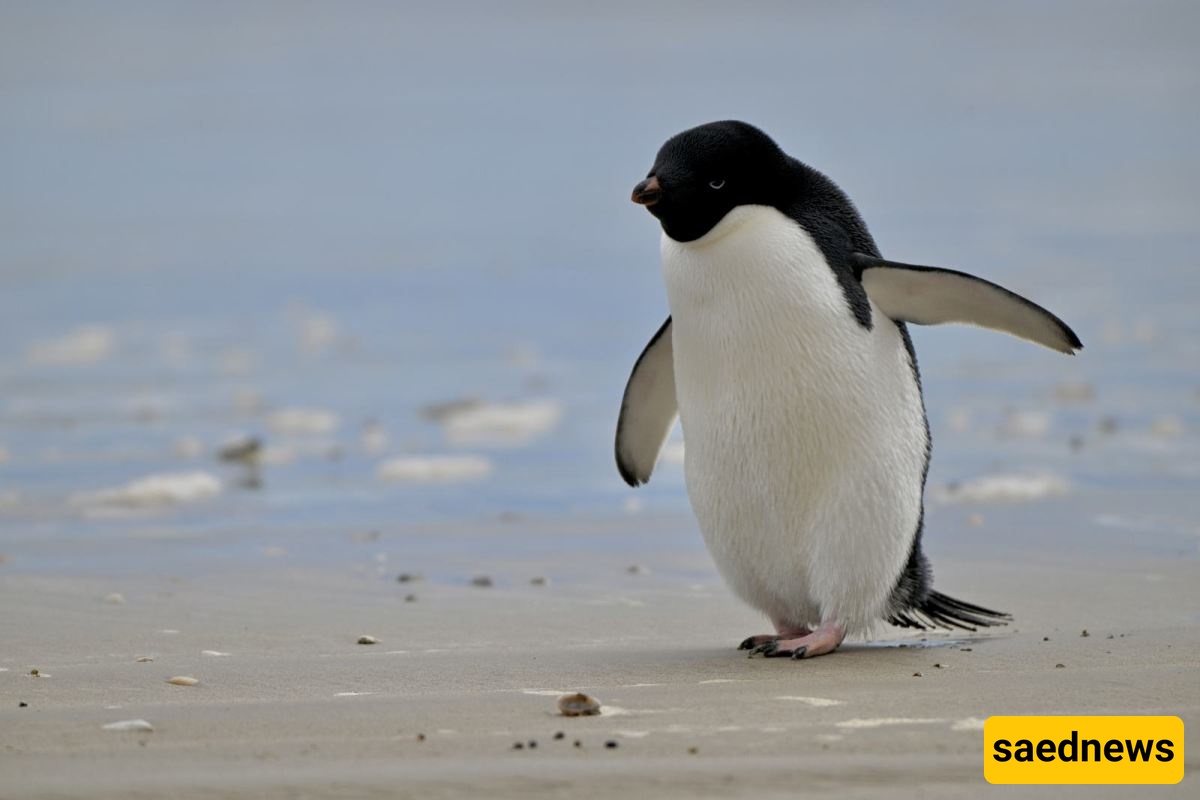
One of the main reasons penguins can withstand extreme cold is their highly effective natural insulation. This protection comes primarily from two features: dense feathers and a thick layer of fat beneath the skin.
Penguins have exceptionally dense feathers that overlap to create a protective outer layer against wind and water.
Beneath these outer feathers is a layer of soft, downy feathers that traps air close to the body.
Air is a poor conductor of heat, making this trapped layer an effective thermal insulator. It slows the transfer of body heat into the cold surrounding environment.
The thicker and more stable this layer of trapped air is, the less heat the penguin loses.
This allows penguins to remain exposed to freezing temperatures for extended periods without their core body temperature dropping to dangerous levels.
Penguins spend much of their lives in water. If water reaches the inner layers of their feathers, the insulating layer of trapped air can disappear, making it much harder to retain body heat.
To prevent this, their outer feathers are highly water-resistant.
Penguins spread oily secretions produced by a gland near the base of their tails, called the preen gland, across their feathers using their beaks. This process, known as preening, helps maintain the feathers' water-resistant properties.
By keeping their feathers in good condition, penguins protect the insulating air layer beneath them and reduce the risk of losing heat in icy water.
Penguins, particularly cold-climate species such as emperor penguins, have a substantial layer of fat beneath their skin.
Fat is an effective thermal insulator and also serves as an energy reserve.
During extremely cold periods or times when food is scarce, this stored fat helps penguins retain body heat while providing the energy needed to survive.
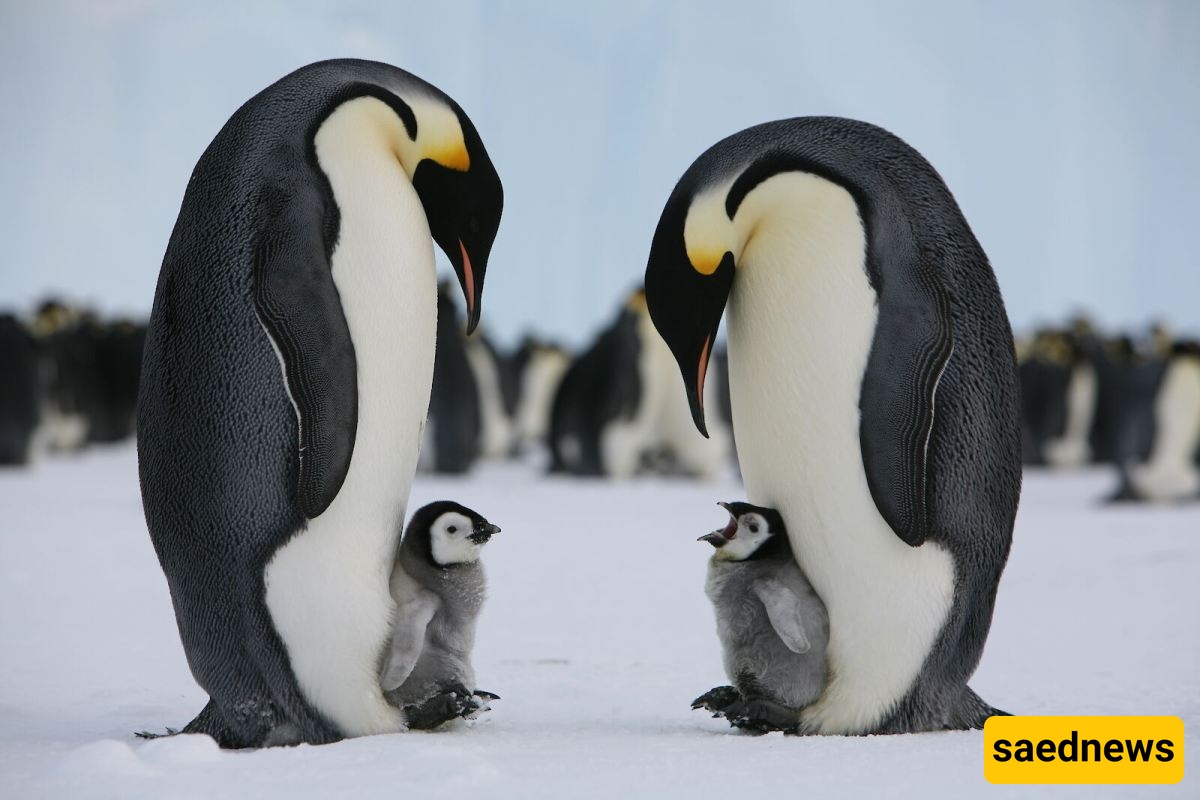
A penguin's feet and flippers are constantly exposed to cold air, snow, and ice. If warm blood flowed directly into these extremities and returned without exchanging heat, the bird would lose a considerable amount of body warmth.
Penguins prevent this through a biological mechanism known as countercurrent heat exchange.
In this system, arteries carrying warm blood toward the feet run close to veins carrying colder blood back toward the body.
Heat transfers from the warm arterial blood to the cooler venous blood before it returns to the penguin's core.
As a result, the blood returning to the body's internal organs is warmed, while the blood flowing toward the feet is cooled.
This arrangement significantly reduces heat loss.
It also allows a penguin's feet to remain close to the freezing point, or sometimes slightly below 0°C, without the surrounding tissues freezing.
This is one of the most remarkable examples of temperature regulation in polar animals.
One of the most fascinating ways penguins survive extreme cold is by gathering together in large groups known as huddles.
During the breeding season, emperor penguins gather closely together while balancing their eggs or chicks on their feet, protecting them beneath a warm fold of skin.
The penguins continually change positions within the group. Individuals exposed to the freezing winds on the outside gradually move toward the warmer center, while those that have warmed up move toward the edges.
This slow rotation ensures that no penguin remains exposed to the harshest conditions for too long.
Measurements have shown that temperatures inside these tightly packed groups can rise dramatically above the outside air temperature.
This cooperative behavior demonstrates that penguins do not rely solely on their physical adaptations. Working together is also essential to their survival.
Cold ground and strong winds are two major sources of heat loss.
Penguins reduce contact with frozen surfaces by standing upright and shifting their weight onto their heels, minimizing the amount of their feet exposed to the ice.
Their dense feathers also help protect their bodies from direct contact with cold surfaces.
In addition, penguins seek shelter from strong winds and gather in tightly packed groups to reduce their exposure.
Wind can disrupt the insulating layer of air trapped between feathers, increasing heat loss. Reducing wind exposure therefore plays an important role in maintaining body warmth.
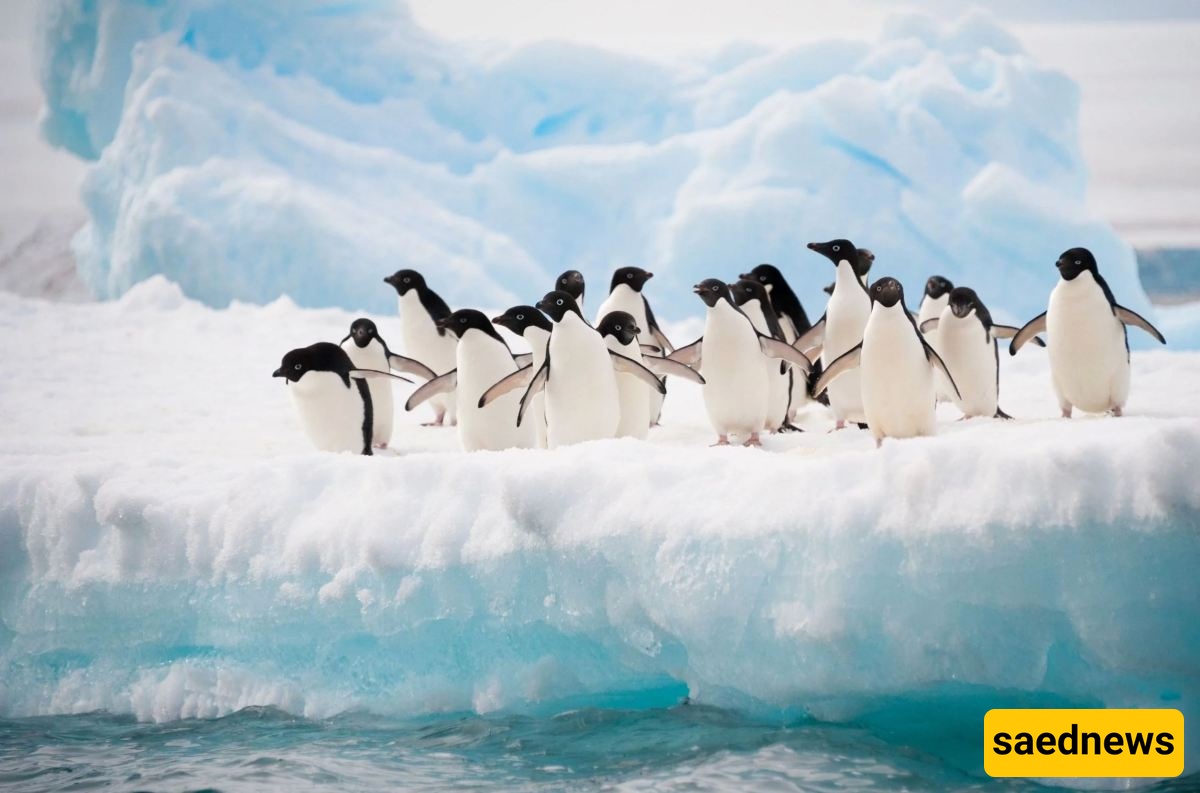
Penguins also rely on their metabolism to maintain a stable body temperature.
In cold conditions, their metabolic activity can increase, allowing them to generate more internal heat. Stored fat is broken down to provide the energy required for this process.
Under certain conditions, muscle shivering can also help produce additional heat.
However, generating body heat requires energy. Penguins must therefore maintain sufficient energy reserves to survive prolonged periods of extreme cold.
Building up fat reserves and finding enough food before harsh winter conditions become severe are essential to their survival.
Ultimately, their ability to withstand freezing temperatures depends on both reducing heat loss and increasing heat production.
The answer can be explained through several key adaptations:
Stable internal temperature: Penguins generate heat internally to maintain a safe core body temperature.
Dense feathers: Their feathers trap insulating air and reduce heat loss.
Water-resistant plumage: Oily secretions help keep their feathers waterproof.
Subcutaneous fat: A thick layer of fat provides insulation and stores energy.
Countercurrent heat exchange: This system minimizes heat loss through their feet and flippers.
Group huddling: Penguins share warmth and protect one another from freezing winds.
Efficient metabolism: Internal heat production helps maintain body temperature in extreme conditions.
In other words, penguins do not avoid freezing because their body fluids contain a natural antifreeze. Instead, their bodies function as highly efficient heat-management systems.
Through a combination of insulation, specialized blood circulation, cooperative behavior, and internal heat production, penguins can survive in some of the harshest environments on Earth.
The question of how penguins survive extreme cold reveals just how remarkable evolutionary adaptations can be.
Their dense feathers, insulating fat layers, countercurrent heat exchange, cooperative huddling, and active metabolism work together to maintain a stable internal temperature, even when Antarctic temperatures fall below –40°C.
Penguins demonstrate that survival in one of Earth's most unforgiving environments is not the result of a single extraordinary feature, but of several biological and behavioral adaptations working together.
Their ability to withstand the Antarctic winter is a remarkable example of how evolution equips living organisms to thrive under extreme environmental conditions.