SAEDNEWS: Zamzam Water, a sacred spring located within Masjid al-Haram, just a few steps from the Kaaba, has been flowing for more than 4,000 years. Its name remains deeply connected to Hajj, worship, and the collective memory of Muslims around the world.
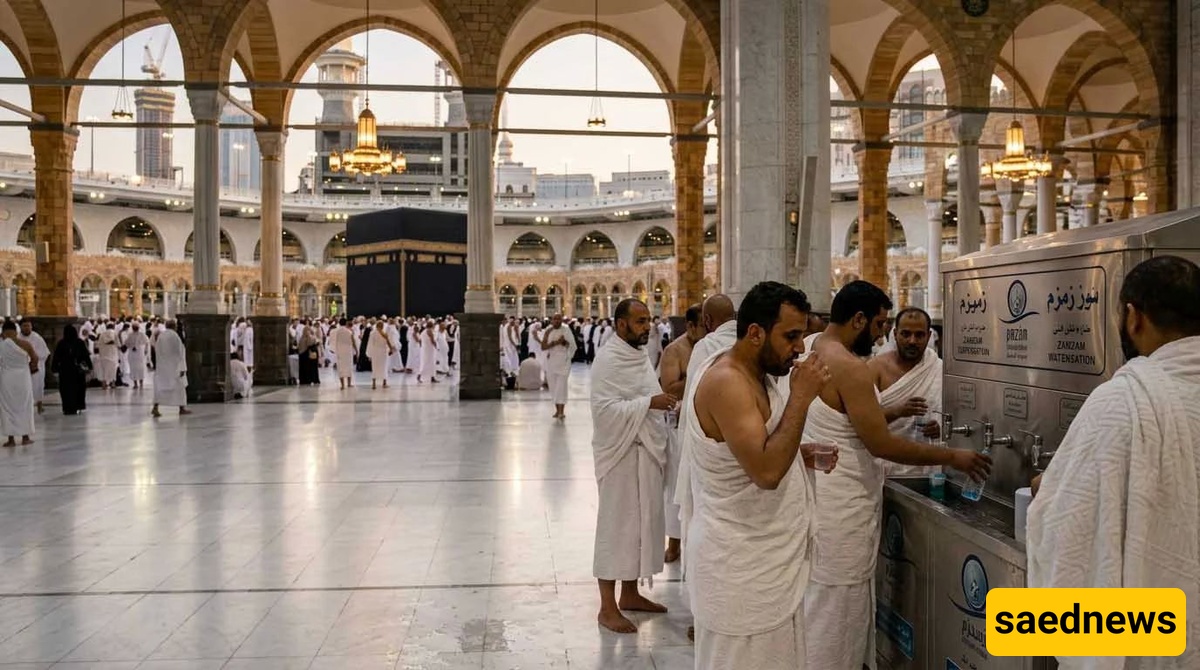
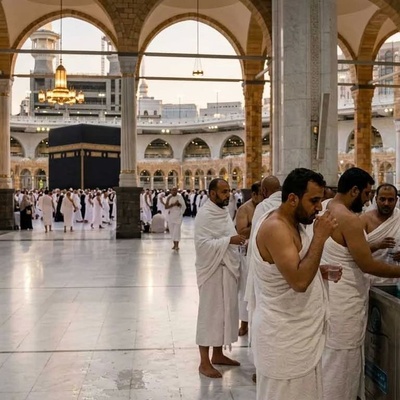
According to Saednews, In the heart of Masjid al-Haram, just a few steps from the Kaaba, lies a miraculous well that has continued to provide water for more than 4,000 years. Its name remains deeply connected to the Sacred Mosque, Hajj, and the hearts of Muslims around the world: the Well of Zamzam.
Few things in the Islamic world are so closely connected to history, faith, worship, and the collective memory of Muslims. For pilgrims visiting the House of Allah, drinking Zamzam water is much more than simply quenching their thirst. It is a reminder of the covenant of Prophet Ibrahim (Abraham), the patience and perseverance of Hajar (Hagar), and a miracle that emerged from the barren desert.
The importance of Zamzam water among Muslims can be explored from several perspectives: its historical and religious origins, its status in the Prophetic tradition, the etiquette of drinking it, Muslim beliefs about its blessings and healing properties, and the customs and regulations surrounding its transportation and distribution.
This article aims to provide a comprehensive understanding of what makes Zamzam water so significant and why it holds such a special place in the hearts of Muslims.
The story of Zamzam is closely associated with Hajar and her son, Prophet Ismail (Ishmael).
According to Islamic traditions and Hadith accounts, Prophet Ibrahim (Abraham), peace be upon him, left his wife Hajar and their infant son Ismail in the barren land of Makkah by the command of Allah.
When their water supply ran out, Hajar began searching for water. She ran seven times between the hills of Safa and Marwah, desperately seeking help for her thirsty child.
As Ismail was struggling with thirst, water miraculously emerged beneath his feet—or, according to another narration, through the movement of an angel's wing. This became the blessed spring of Zamzam, which has continued to flow for thousands of years.
This account is more than a historical story. It forms the foundation of Sa'i, the ritual of walking seven times between Safa and Marwah, which is an essential part of Hajj and Umrah.
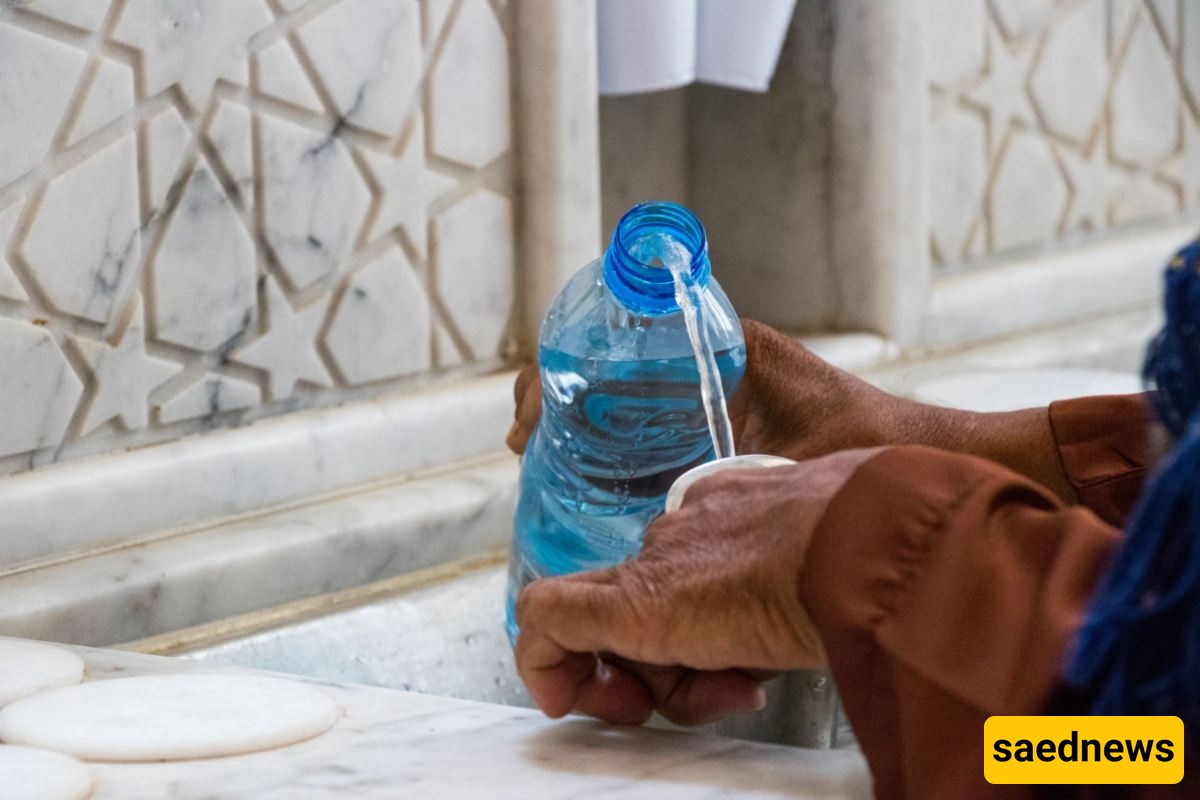
Every pilgrim performs this ritual, retracing Hajar's footsteps and remembering her remarkable patience, determination, and trust in Allah.
In this way, the history of Zamzam is deeply woven into Islamic worship.
Historical accounts also describe how the tribe of Jurhum settled near the well. The availability of water transformed Makkah from an uninhabited desert into an important settlement and a stopping point for travelers.
Although the name "Zamzam" is not explicitly mentioned in the Quran, some Quranic commentators have associated references to the Sacred House and the provision of sustenance in Makkah with the history of this blessed well.
More importantly, Zamzam holds a special position in the Sunnah of Prophet Muhammad (peace and blessings be upon him).
The Prophet himself drank Zamzam water, acknowledged its blessings, and spoke about its special qualities.
Among the well-known narrations is a Hadith in which the Prophet described Zamzam as the best water on earth.
Another famous narration states:
"Zamzam water is for whatever purpose it is drunk."
This Hadith has become one of the central foundations of Muslim beliefs concerning the blessings and spiritual significance of Zamzam water.
The Hadith commonly known as Ma'u Zamzam Lima Shuriba Lahu is reported in Sunni Hadith collections and has also been cited by many Shia scholars in discussions about the etiquette of pilgrimage and seeking blessings.
Its widely accepted interpretation is that a person drinking Zamzam may make a sincere supplication to Allah for a good purpose and hope for its acceptance.
Such intentions may include:
Asking Allah for healing and good health.
Seeking beneficial knowledge.
Praying for lawful and abundant provision.
Asking for righteous children.
Seeking steadfastness in faith.
Praying for forgiveness, guidance, and well-being.
An important point is that this belief is understood within the framework of Islamic monotheism (Tawhid).
Zamzam water does not possess independent supernatural power. Rather, Muslims believe that Allah has placed blessings in it and that it serves as a means of turning one's heart and prayers toward Him.
In this understanding, the sacredness of Zamzam is associated with its status as a blessed means, not as an independent source of divine power. This distinction separates seeking blessings from associating partners with Allah (Shirk).
The significance of Zamzam can be understood through several important dimensions:
1. Its Connection to the Monotheistic Legacy of Prophet Ibrahim
Zamzam is a lasting reminder of the sacred history of the Kaaba, which Prophet Ibrahim established by Allah's command and dedicated to the worship of the One God.
Drinking this water reminds Muslims of the legacy of monotheism and their commitment to worship Allah alone.
2. A Symbol of Patience and Trust in Allah
The story of Hajar represents perseverance, determination, and complete trust in Allah during the most difficult circumstances.
Zamzam symbolizes the water that emerged at a moment when hope seemed almost lost.
3. Blessings in the Prophetic Tradition
Seeking blessings through sacred objects and places has a historical presence in Islamic tradition. Zamzam is among the most well-known examples of this practice.
4. Its Connection to Hajj and Umrah
Zamzam is an inseparable part of the pilgrimage experience.
From the rituals of Safa and Marwah to Tawaf around the Kaaba, the story and significance of this well remain closely connected to the spiritual journey of pilgrims.
5. Its Place in the Collective Memory of Muslims
Small bottles of Zamzam water carried from Makkah to distant cities and countries represent more than a simple gift.
They carry the memory of the Sacred Mosque, the experience of pilgrimage, and a message of affection and remembrance.
For many Muslims, sharing Zamzam water with family and friends is a meaningful way of bringing a part of their spiritual journey back home.
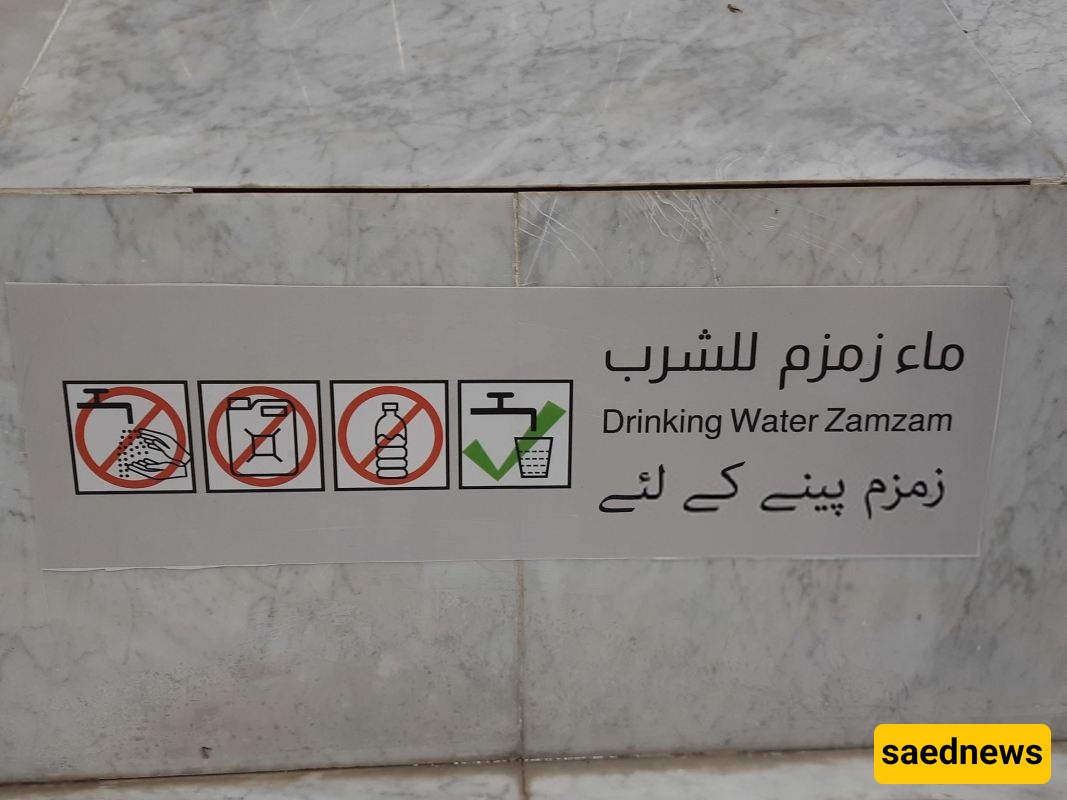
Islamic jurisprudence books and religious texts discussing the etiquette of pilgrimage mention several recommended practices for drinking Zamzam water.
These include:
Facing the Qiblah and beginning with the name of Allah (Bismillah).
Drinking the water in three separate sips.
Looking toward the Kaaba while drinking, where possible.
Making supplications and expressing a good intention.
According to some narrations, reciting Quranic chapters such as Al-Fatihah and Al-Ikhlas before drinking.
Drinking with humility and spiritual attentiveness.
Avoiding wastefulness and unnecessary spilling of water.
A narration concerning Abdullah ibn Abbas (may Allah be pleased with him) mentions that he drank Zamzam with the intention of seeking knowledge and made supplication to Allah.
This is often cited as an example of the connection between sincere intention and drinking Zamzam water.
Perhaps one of the most remarkable aspects of Zamzam water is its emotional and social significance.
A small bottle of Zamzam carried from Makkah to a home in Southeast Asia, Africa, or Europe conveys a simple but meaningful message:
"I visited the holy places, and I remembered you."
This water creates a shared sense of connection among Muslims from different countries, cultures, and Islamic traditions. It unites people through a story that dates back thousands of years.
Zamzam also represents simplicity and equality. In the heart of one of the world's most significant religious cities, this blessed water is made available to pilgrims and visitors from different walks of life, regardless of their social status or wealth.
Whether a person is a ruler, a worker, or an ordinary traveler, everyone shares the same opportunity to drink from this historic source.
Zamzam is far more than an ordinary source of water. It represents a unique combination of religious history, divine blessings, Islamic worship, and spiritual identity.
Its story recalls the faith of Prophet Ibrahim, the perseverance of Hajar, and the miraculous provision of Allah for Prophet Ismail.
For Muslims, drinking Zamzam is an opportunity to remember these events, reflect on the importance of patience and trust in Allah, and make sincere supplications.
Across generations and geographical boundaries, Zamzam continues to hold a special place in Muslim hearts—not merely because of its ancient origins, but because of the faith, history, and spiritual meaning associated with every sip.