SAEDNEWS: In today's busy world, short yet rewarding daily dhikr (remembrances of Allah) offer a valuable opportunity to strengthen mindfulness, find inner peace, and nurture spiritual connection. This article explores 12 daily dhikr practices and essential tips to help you gain greater benefits from them.

According to Saednews, In today’s busy world, many people believe that worshipping and connecting with Allah requires setting aside a significant amount of time. However, short and virtuous Islamic remembrances (Dhikr) offer a valuable opportunity to remain spiritually connected throughout the day. Even amid daily responsibilities, a person can remember Allah during brief moments at work, while resting, travelling, or waiting.
The beauty of daily Dhikr is that it does not require lengthy recitations or a large amount of time. A simple phrase, when repeated with sincerity and mindfulness, can positively transform a person’s state of mind and heart. This article introduces 12 short and meaningful Islamic Dhikr, explains when to recite them, and shares practical tips for making them part of everyday life.
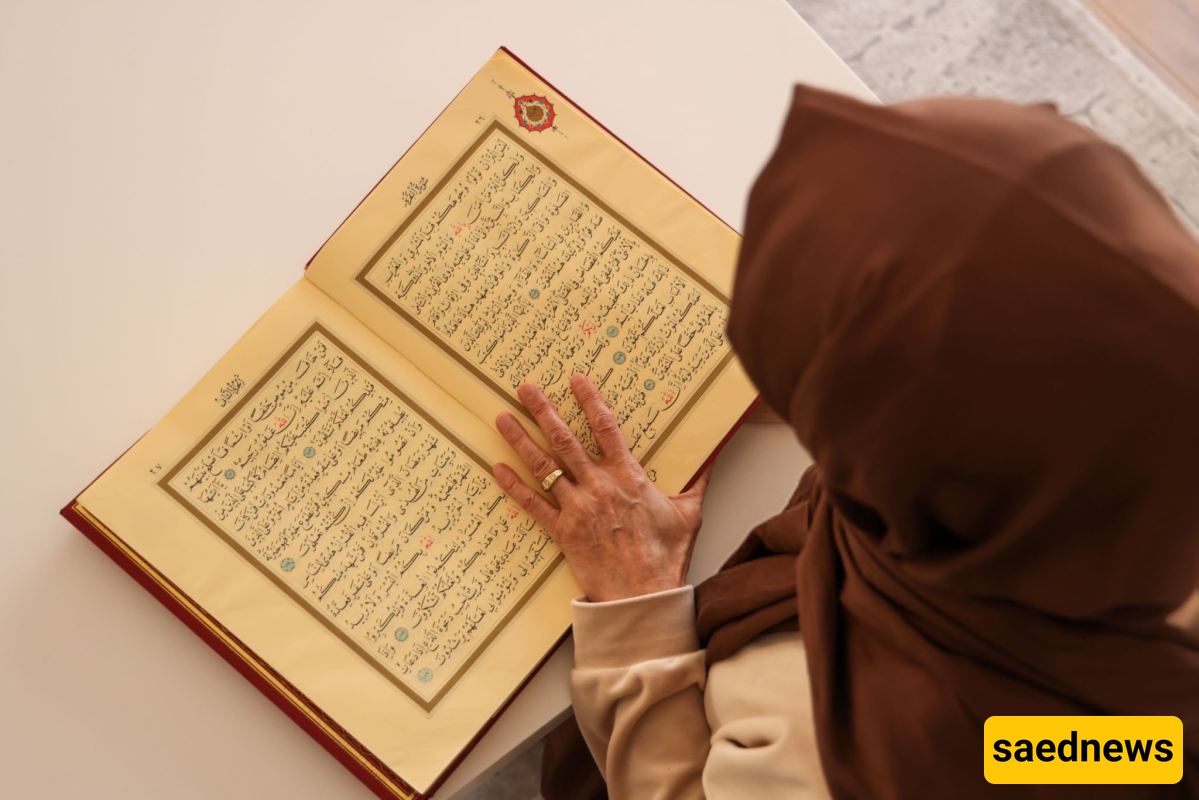
To experience the spiritual benefits of daily Dhikr, it is helpful to observe several important principles.
1. Sincerity: Remember Allah solely to seek His pleasure, rather than for recognition or showing off.
2. Mindfulness: Dhikr should involve the heart as well as the tongue. Understanding the meaning of each remembrance makes it more meaningful and spiritually beneficial.
3. Consistency: It is better to recite a few phrases regularly every day than to recite many occasionally. Consistency helps make remembrance a natural part of life.
4. Balance: Dhikr should never become an excuse to neglect work, family responsibilities, or the rights of others.
It is also preferable to recite Dhikr calmly and respectfully, unless a particular remembrance is traditionally recited aloud.
This beautiful phrase is a reminder to begin every activity in the name of Allah.
Reciting it before eating, starting work, studying, driving, or carrying out daily responsibilities helps Muslims remember that even ordinary activities can become spiritually meaningful when performed with the right intention.
SubhanAllah expresses the perfection and absolute purity of Allah, free from every imperfection.
Repeating this Dhikr throughout the day encourages humility and reminds believers that all greatness belongs to Allah.
It can be recited while travelling, waiting, taking a break, or between daily tasks.
Alhamdulillah is a beautiful expression of gratitude.
It encourages believers to recognise Allah's blessings and appreciate the good things in their lives.
Muslims can recite it after waking up, finishing a meal, completing a successful task, or even during difficult moments as an expression of faith and gratitude.
This powerful remembrance reminds believers that Allah is greater than everything.
During moments of fear, uncertainty, or difficulty, remembering the greatness of Allah can strengthen the heart and provide reassurance.
It can be recited when observing the beauty of nature, facing challenges, or after completing Salah (prayer).
La Ilaha Illallah is the foundation of Islamic monotheism (Tawheed) and one of the most important expressions of faith in Islam.
This remembrance reminds Muslims that only Allah deserves worship and that no worldly power can replace Him.
Reciting it with understanding and sincerity can strengthen faith, improve spiritual focus, and bring peace to the heart.
Astaghfirullah is a beautiful expression of repentance and the desire to return to Allah.
Everyone makes mistakes, experiences moments of forgetfulness, or falls short in their responsibilities.
Reciting this Dhikr encourages self-reflection, repentance, and the determination to improve one's behaviour.
This remembrance acknowledges that all strength, ability, and power ultimately come from Allah.
It is particularly meaningful during moments of exhaustion, difficult decisions, and challenging circumstances.
Reciting it reminds believers to remain humble, seek Allah's help, and place their trust in Him.
This powerful Dhikr expresses complete reliance on Allah.
It is especially comforting when facing uncertainty, overwhelming responsibilities, or difficult situations.
It reminds believers that after making their best efforts, they should entrust the outcome to Allah.
This short remembrance expresses confidence and reliance upon Allah.
It helps believers avoid excessive worry about the future and remember that Allah's wisdom is greater than their understanding.
Tawakkul does not mean abandoning effort. Rather, it means fulfilling one's responsibilities while trusting Allah with the results.
It can be recited before beginning an important task or during challenging moments.

Sending blessings upon Prophet Muhammad ﷺ and his pure family is among the highly valued acts of remembrance in Islam.
Muslims can recite Salawat throughout the day, while travelling, after Salah, or during moments of waiting.
This beautiful practice strengthens love for the Prophet ﷺ and encourages believers to remain connected to Islamic teachings and values.
Ya Hayyu Ya Qayyum is a heartfelt invocation calling upon Allah by two of His beautiful names.
It reminds believers that Allah is eternally living and sustains all creation.
This Dhikr can be particularly comforting during moments of hardship, helplessness, and uncertainty.
It may be recited calmly and attentively, especially during the early morning, after prayer, or when seeking Allah's help.
This beautiful supplication is known as the Dhikr of Prophet Yunus (AS).
It combines the declaration of Allah's oneness, glorification of Him, and an acknowledgment of one's own shortcomings.
It is especially meaningful during moments of regret, distress, and the desire to seek forgiveness and return to Allah.
Reciting it with sincerity encourages humility, repentance, hope in Allah's mercy, and positive personal change.
Making Dhikr a consistent habit does not need to be difficult. The following suggestions can help:
Start small: Choose a manageable number of Dhikr and focus on consistency rather than quantity.
Connect Dhikr with daily routines: Recite short phrases while walking, travelling, waiting, or after Salah.
Understand the meanings: Learning what each phrase means can deepen spiritual awareness and concentration.
Do not become discouraged: If you forget to recite Dhikr, avoid blaming yourself. Simply begin again.
Maintain a healthy balance: Remember Allah while continuing to fulfil your daily responsibilities.
Combine remembrance with action: During difficult situations, accompany Dhikr with practical effort, wise advice, patience, and trust in Allah.
Daily Dhikr is a simple yet meaningful way to strengthen faith and maintain a connection with Allah throughout life's responsibilities. These 12 short Islamic remembrances can be incorporated into almost any part of the day without requiring lengthy periods of worship.
The most important thing is not how many times a phrase is repeated, but the sincerity, understanding, and consistency with which it is recited. Even a few moments of heartfelt remembrance can make daily life more spiritually meaningful and encourage a stronger relationship with Allah.