SAEDNEWS: Socotra Island, renowned for its extraordinary biodiversity, is a UNESCO World Heritage Site. This article explores the origins of its name, who truly owns the island, and its remarkable natural and cultural attractions.
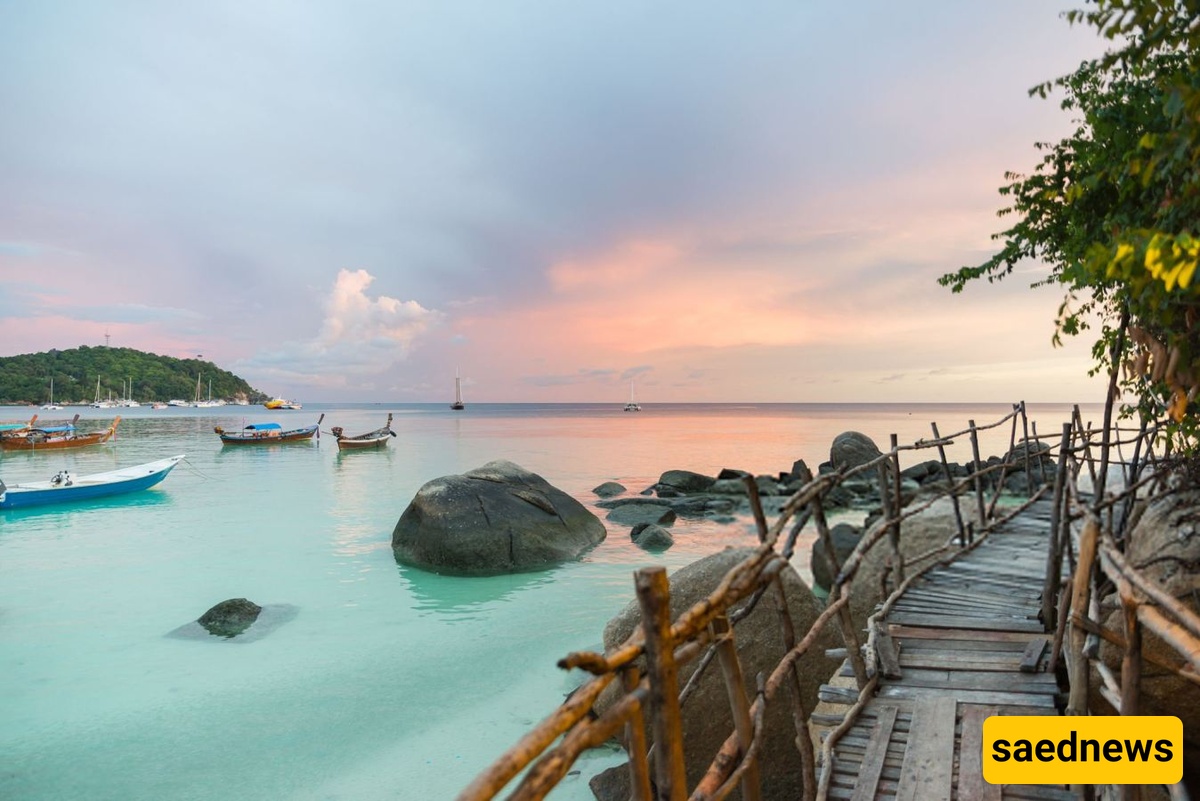
According to Saednews, The phrase “Socotra Island, India” is a popular search term among Persian-speaking users. It brings together two different geographical names and raises several questions. Is Socotra part of India? Does the island have historical ties with India? Or does the word “India” in this phrase refer to the Indian Ocean rather than the country itself?
Socotra is part of Yemen and is recognised as a UNESCO World Heritage Site. However, its name is associated with the Indian Ocean, ancient maritime trade routes across the Indian subcontinent, and an interesting linguistic theory.
The Socotra Archipelago is located in the northwestern Indian Ocean, near the entrance to the Gulf of Aden. The main island covers approximately 3,796 square kilometres, while the entire archipelago has a total area of around 3,974 square kilometres. Smaller islands, including Abd al-Kuri, Samhah, and Darsa, are also part of the archipelago.
Socotra lies approximately 380 kilometres from mainland Yemen and around 240 kilometres west of Cape Guardafui in Somalia. Its geographical isolation has played a major role in the development of a unique ecosystem, home to numerous species found nowhere else on Earth.
The island's highest mountain range, the Hajhir Mountains, rises to more than 1,500 metres. Rocky coastlines, dry plains, deep valleys, limestone plateaus, and numerous caves create a diverse and sometimes rugged landscape that differs considerably from the typical image of a tropical island.
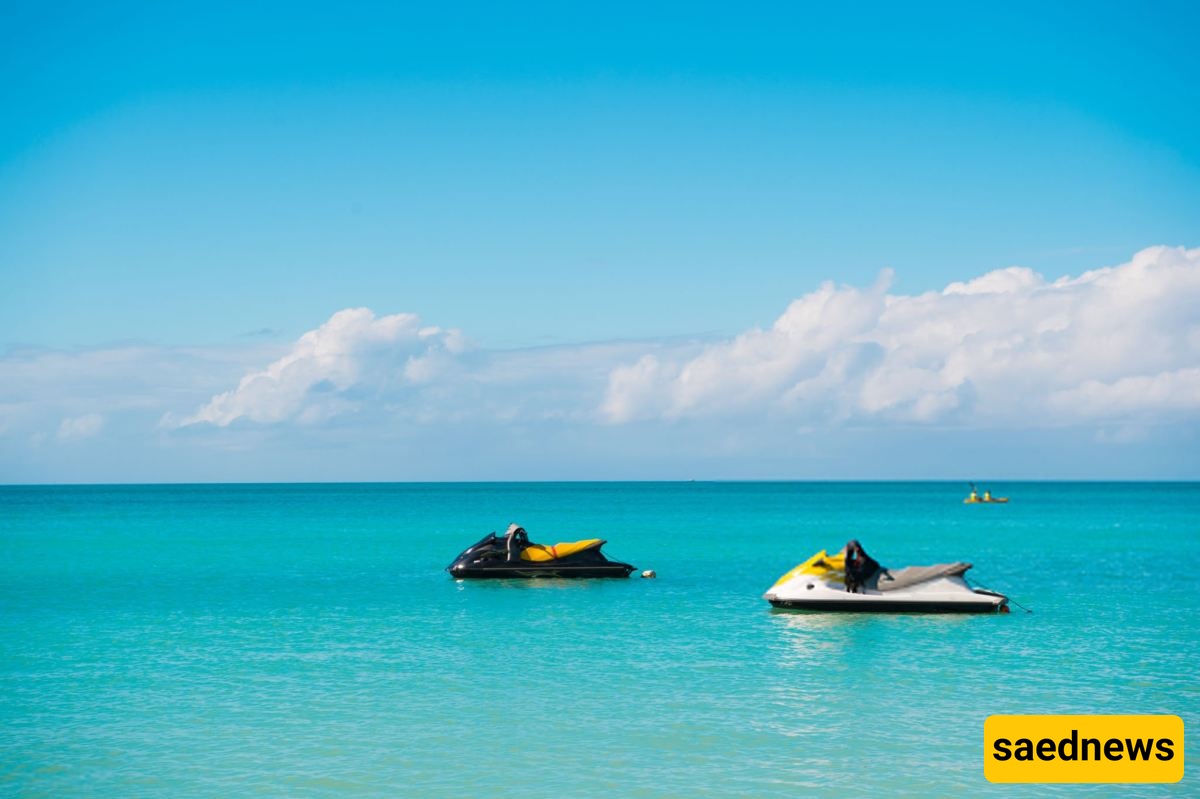
To understand the expression “Socotra Island, India”, three possible explanations should be considered separately.
The simplest explanation is that Socotra is frequently described as an island in the Indian Ocean. Over time, this geographical description has sometimes been shortened in online searches and social media to “Socotra Island, India”.
In this context, the word India refers to the Indian Ocean, not political ownership or sovereignty by the Republic of India.
Another explanation concerns the possible linguistic origins of the island's name.
One theory suggests that the name Socotra comes from a Sanskrit expression meaning “Island of Bliss” or “Island of Happiness”. However, this explanation has never been conclusively proven.
Other theories have also been proposed, including a possible connection with the Greek name “Dioscorides”.
Nevertheless, the Sanskrit theory has contributed to the perceived historical and linguistic connection between Socotra and India.
The third explanation is historical and supported by evidence of ancient maritime trade.
For centuries, Socotra was an important location along Indian Ocean trading networks. Products such as frankincense and the red resin known as dragon's blood were transported from the island to distant markets.
Sailors and merchants from different regions, including the Indian subcontinent, participated in these trading networks.
These commercial connections helped establish a historical and cultural association between Socotra and India.
Despite its historical and linguistic connections with India, Socotra's political status is clear: the archipelago belongs to Yemen and is administratively recognised as a governorate of the country.
In 2008, the Socotra Archipelago was designated a UNESCO World Heritage Site because of its extraordinary natural value and biodiversity. This recognition strengthened the island's international significance.
In recent years, Socotra has attracted increasing political and media attention because of its strategic location near the Bab el-Mandeb Strait and major international shipping routes.
The presence of regional powers and competition for influence on the island have occasionally contributed to misunderstandings about its ownership.
India, as an important maritime power in the Indian Ocean, has an interest in the security of regional waterways. However, this interest does not give India ownership or sovereignty over Socotra.
One of Socotra's most remarkable characteristics is its extraordinary biodiversity.
According to botanical research, approximately 825 plant species have been identified across the archipelago, of which nearly 307 are endemic. This means they occur naturally nowhere else in the world.
Such a high proportion of endemic species makes Socotra one of the most biologically distinctive island environments on Earth.
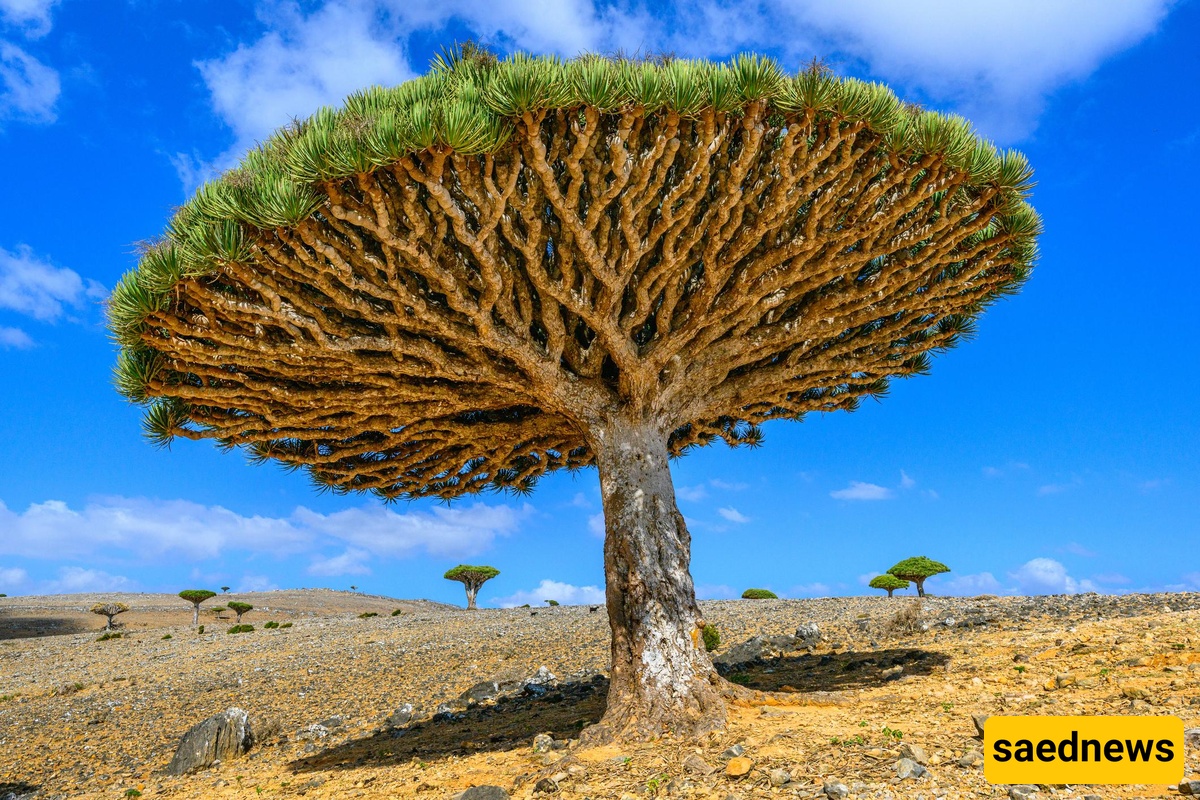
The most recognisable symbol of Socotra is the dragon's blood tree, scientifically known as Dracaena cinnabari.
With its distinctive umbrella-shaped canopy and dense branches, this extraordinary tree creates one of the island's most unforgettable landscapes.
Its name comes from the reddish resin extracted from its trunk, traditionally used for medicinal and industrial purposes.
The tree's umbrella-shaped canopy provides shade and helps retain moisture underneath, allowing young plants to survive in the island's dry environment.
However, climate change, excessive livestock grazing, and declining natural regeneration threaten the future of this iconic species.
In many parts of the island, mature trees remain, but young seedlings are becoming increasingly scarce, raising concerns about the survival of future generations.
Socotra is home to several endemic bird species, including the Socotra warbler, Socotra starling, Socotra sparrow, and Socotra bunting.
Its unique wildlife also includes distinctive reptiles, land snails, and numerous unusual invertebrates.
The surrounding waters contain coral reefs and a wide variety of marine species, making Socotra an important location for marine conservation in the Indian Ocean.
Socotra is not simply a natural wonder; it is also home to a living and distinctive cultural heritage.
The island's inhabitants speak Soqotri, a language belonging to the Semitic language family and the Modern South Arabian language group.
Soqotri is considered an important linguistic heritage, containing many words and grammatical structures that differ from those found in Standard Arabic.
Traditional livelihoods are based primarily on livestock farming, fishing, and limited agriculture.
The island's cultural traditions include poetry, oral storytelling, and local songs. Poetry, in particular, plays an important role in everyday life.
Traditional architecture is adapted to the island's hot and dry climate, with houses often constructed using locally available materials.
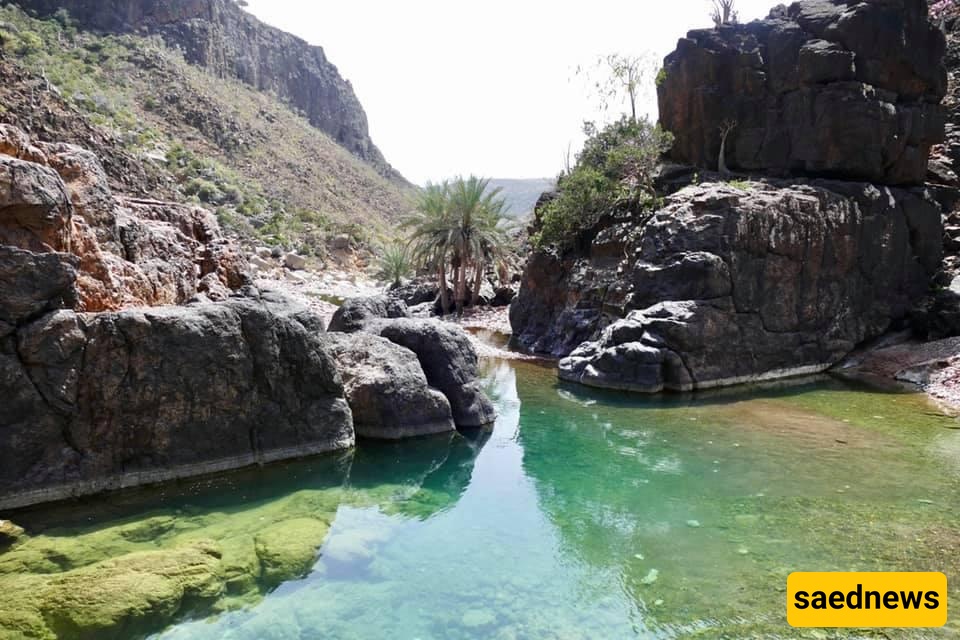
Some of the island's most remarkable attractions include:
Diksam Plateau: Famous for its spectacular dragon's blood tree forests.
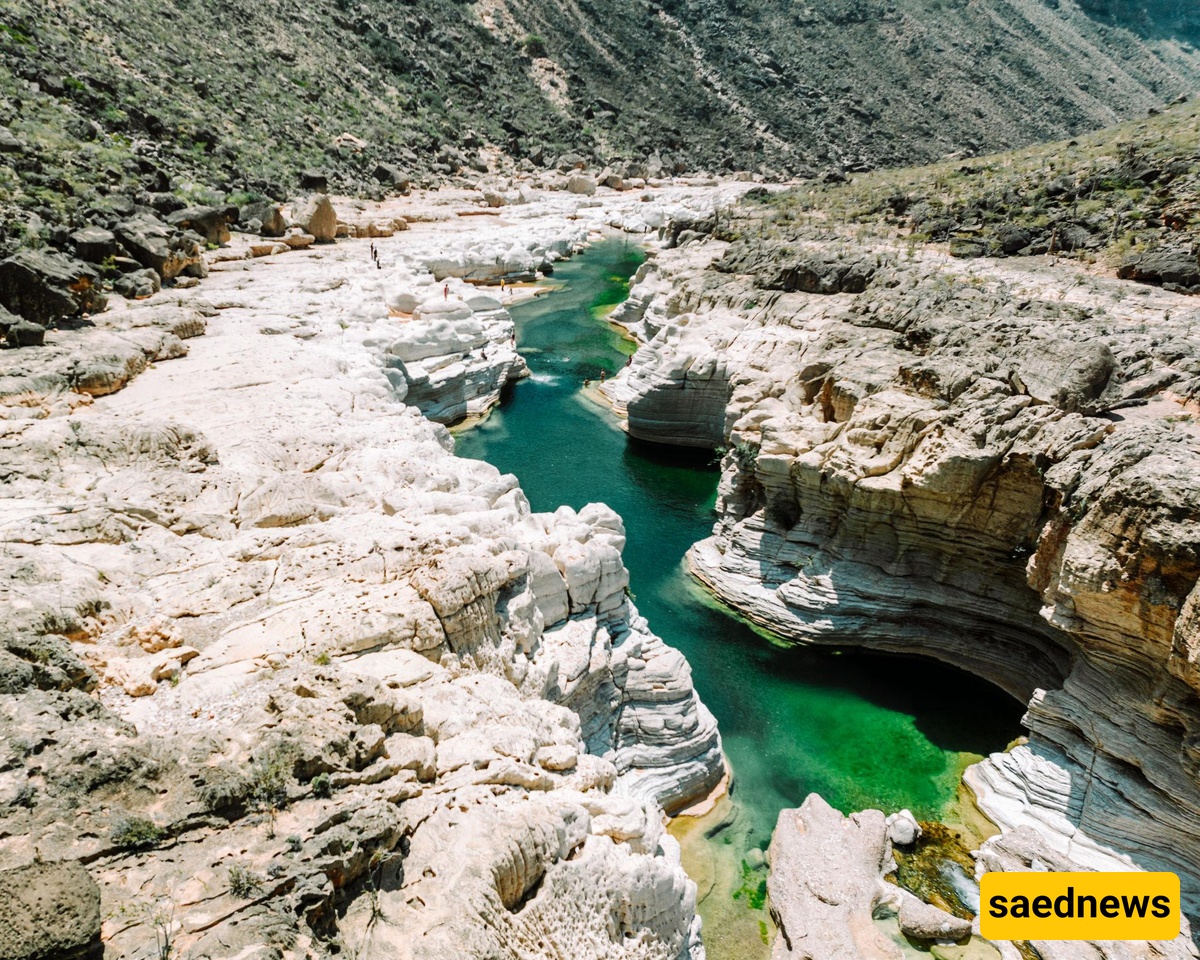
Wadi Dirhur: A dramatic valley surrounded by towering rock formations.
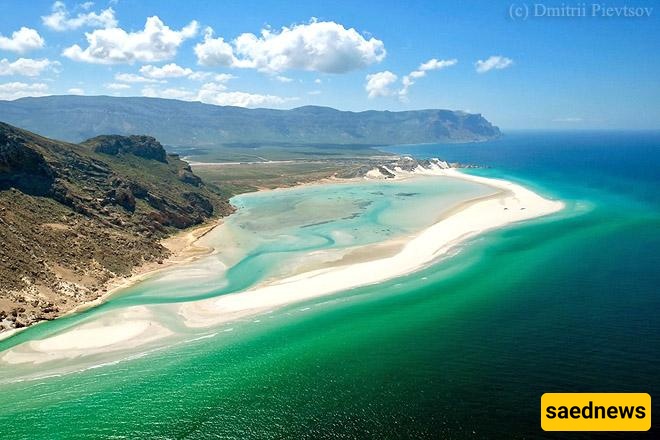
Detwah Lagoon: Known for its turquoise waters and beautiful coastal scenery.
Shoab Beach: A picturesque beach with white sand and clear water.
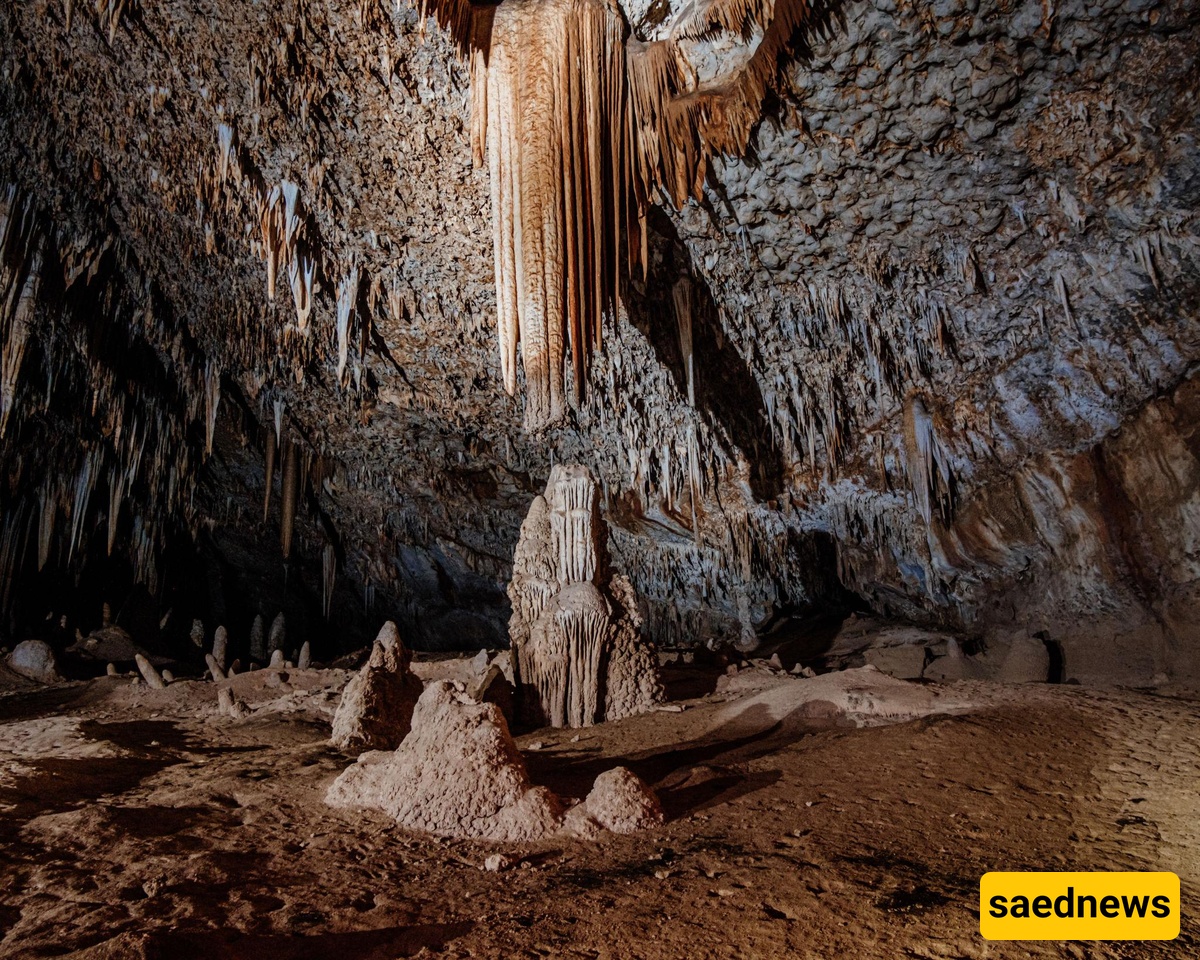
Hoq Cave: A remarkable cave featuring impressive geological formations.
Arher Sand Dunes: A spectacular landscape where enormous sand dunes meet the coastline.
The best time to visit Socotra is generally between October and April.
During the summer months, monsoon winds and rough seas can make access to the island difficult.
Tourism infrastructure remains limited, so visiting Socotra requires careful planning, awareness of local restrictions, and respect for the island's fragile natural environment.
Despite its extraordinary beauty, Socotra is an environmentally vulnerable destination.
Some of its most significant threats include:
Climate change and prolonged droughts.
Excessive livestock grazing.
The introduction of invasive species.
Unregulated tourism.
Damage caused by severe tropical storms.
Major storms in recent years have also damaged infrastructure and natural vegetation.
Protecting Socotra requires a balanced approach that allows tourism to develop without exceeding the island's ecological capacity, while ensuring that local communities benefit from conservation efforts.
Important conservation measures include educating visitors, restricting access to environmentally sensitive areas, monitoring endemic species, and strengthening scientific research.
Socotra is a remarkable Yemeni archipelago in the northwestern Indian Ocean, famous for its extraordinary biodiversity, unique landscapes, and ancient maritime history.
Although its name and historical trade connections have created associations with India, the island is not part of Indian territory.
Its true significance lies in its distinctive natural environment, rare endemic species, cultural heritage, and strategic geographical position.
For travellers, researchers, and nature enthusiasts, Socotra remains one of the most fascinating and unusual island destinations in the world.