SAEDNEWS: Have only certain sections of your hair become rough and dry after coloring? This is usually caused by differences in hair condition, coloring techniques, and post-coloring care.
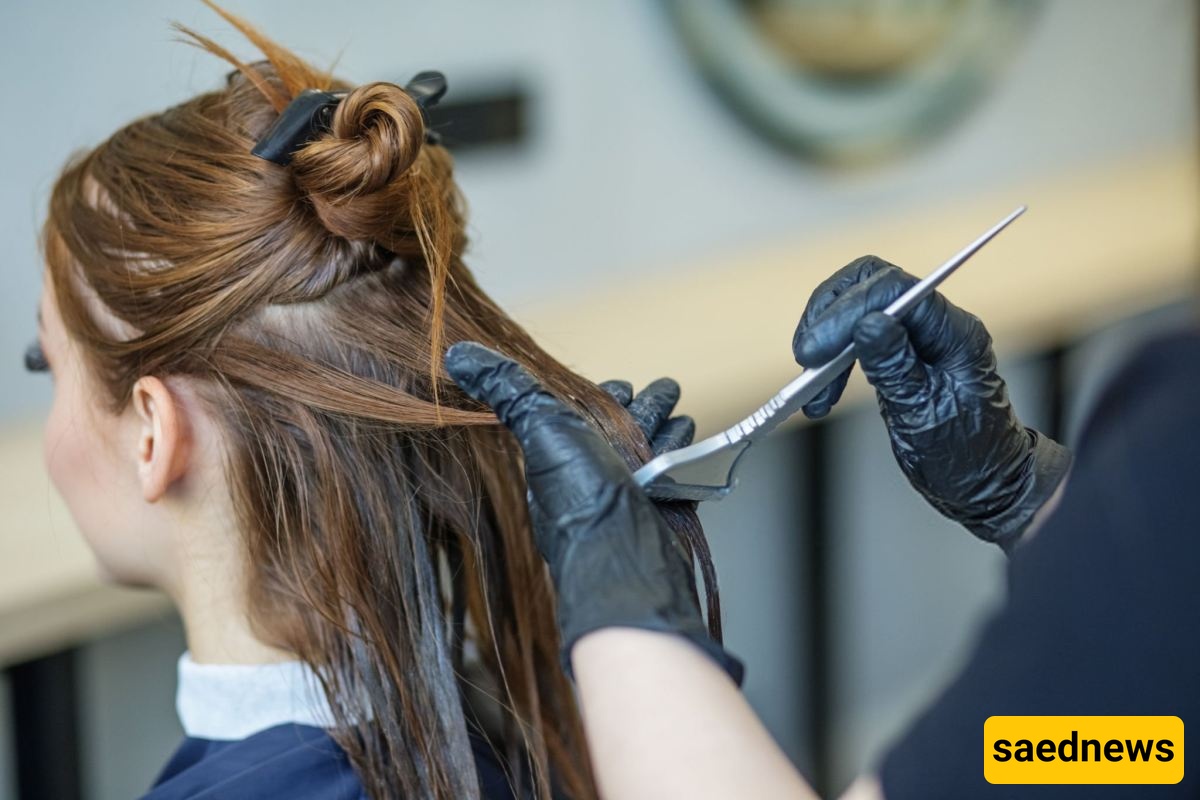
According to Saednews, Hair coloring is one of the most common ways to change your appearance and boost self-confidence. However, some people notice that after coloring, only certain sections of their hair become rougher, drier, or more brittle than others. This condition, known as uneven hair roughness after coloring, is rarely caused by a single factor. Instead, it usually results from a combination of the hair's previous condition, the type of dye used, the application process, and post-coloring care.
One important point to understand is that not all strands of hair on the same head have the same condition. Newly grown hair, older colored strands, heat-damaged sections, and areas that have undergone repeated bleaching may all react differently to hair dye. This explains why hair roughness after coloring is often localized rather than uniform.
Hair roughness refers to the loss of softness and smoothness on the surface of the hair shaft. Under normal conditions, the outermost layer of the hair, known as the cuticle, consists of overlapping scale-like cells that create a smooth surface.
When the cuticle becomes damaged, these scales lift or break away, leaving the hair surface rough, dull, and more prone to tangling.
During hair coloring, chemical ingredients must partially open the cuticle to penetrate the hair shaft. This is a normal part of the coloring process. However, when the chemical action is too strong or is applied to areas that are already damaged, hair roughness becomes more noticeable.
Therefore, rough hair after coloring does not always mean that the dye itself was unsuitable. In some cases, it reflects differences in the condition of various sections of the hair.
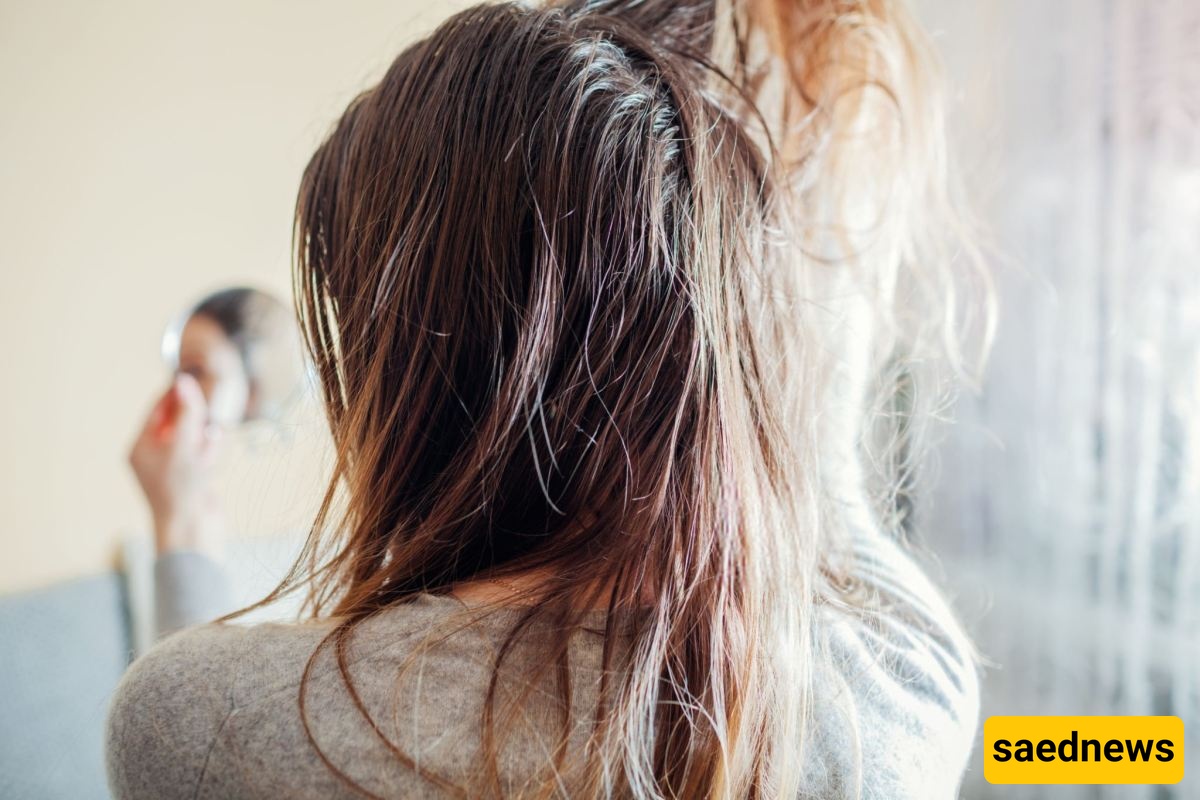
Hair strands differ in thickness, density, oil production, chemical history, and even growth cycles. Some strands are newly grown and have relatively healthy cuticles, while others may have undergone repeated coloring, bleaching, or heat styling.
Additionally, different areas of the scalp experience varying levels of sweat, oil production, and friction.
During the coloring process, dye may also not be distributed evenly across every section. Areas near the roots, underneath layers, thicker strands, or previously colored sections may remain exposed to chemicals for different lengths of time.
As a result, hair roughness after coloring may be more pronounced in certain areas while other sections remain relatively soft.
Hair porosity refers to the hair's ability to absorb and retain moisture. High-porosity hair generally has a more open or damaged cuticle structure, allowing it to absorb color more quickly. However, it also loses moisture more easily.
This type of hair is therefore more likely to become dry and rough after coloring.
If only certain sections have high porosity, those areas may feel noticeably rougher after the coloring process.
This is particularly common in hair that has previously undergone bleaching, perming, or chemical straightening. Differences in porosity between individual strands are among the major causes of uneven hair texture after coloring.
Hair that has been colored or bleached multiple times often has a weaker protective structure.
Bleaching, in particular, removes natural hair pigments and can place considerable stress on the cuticle and internal hair structure.
When fresh dye is applied to previously bleached or chemically damaged hair, the likelihood of increased roughness in those areas becomes higher.
Sometimes people assume that their latest hair color caused the damage, when the underlying damage was actually caused by previous chemical treatments and simply became more noticeable after the new coloring process.
The way hair dye is applied plays an important role in the final condition of the hair.
If the product is not distributed properly, certain sections may absorb more chemicals than others. Similarly, leaving the dye on for longer than recommended, using an inappropriate developer strength, or applying color to already damaged hair can put additional stress on the cuticle.
During hair coloring, consistent application is just as important as choosing the right shade.
For bleaching, dramatic color changes, or chemically damaged hair, professional assistance is recommended to reduce the risk of further damage.
Hair grows continuously. The sections near the roots are generally newer, while the middle lengths and ends have been exposed to environmental and mechanical stress for much longer.
As a result, these sections may respond differently to hair coloring.
In many cases, roughness is more noticeable toward the ends because they have experienced greater exposure to sunlight, brushing, heat styling, and repeated washing.
Meanwhile, the newer hair near the roots may remain relatively soft and healthy.
Rough brushing, tight hairstyles, frequent blow-drying, flat ironing, and repeated pulling or friction can damage the hair cuticle.
If this damage occurs before coloring, it may become more noticeable afterward.
Excessive heat is particularly harmful to color-treated hair because chemical processing can make the hair more vulnerable to further damage.
Using a heat protectant and reducing the temperature of styling tools can help prevent worsening hair roughness after coloring.
Sometimes rough hair is not necessarily the result of deep structural damage. It may be caused by accumulated hair products, mineral deposits from hard water, or improper use of oils and conditioning masks.
These residues can build up on the hair surface, making it feel rough and uneven.
Hard water contains minerals that may accumulate on hair over time. People living in areas with hard water may notice that certain sections feel drier or rougher, particularly after coloring.
Using a gentle clarifying shampoo when appropriate and filtered water may help reduce mineral and product buildup.
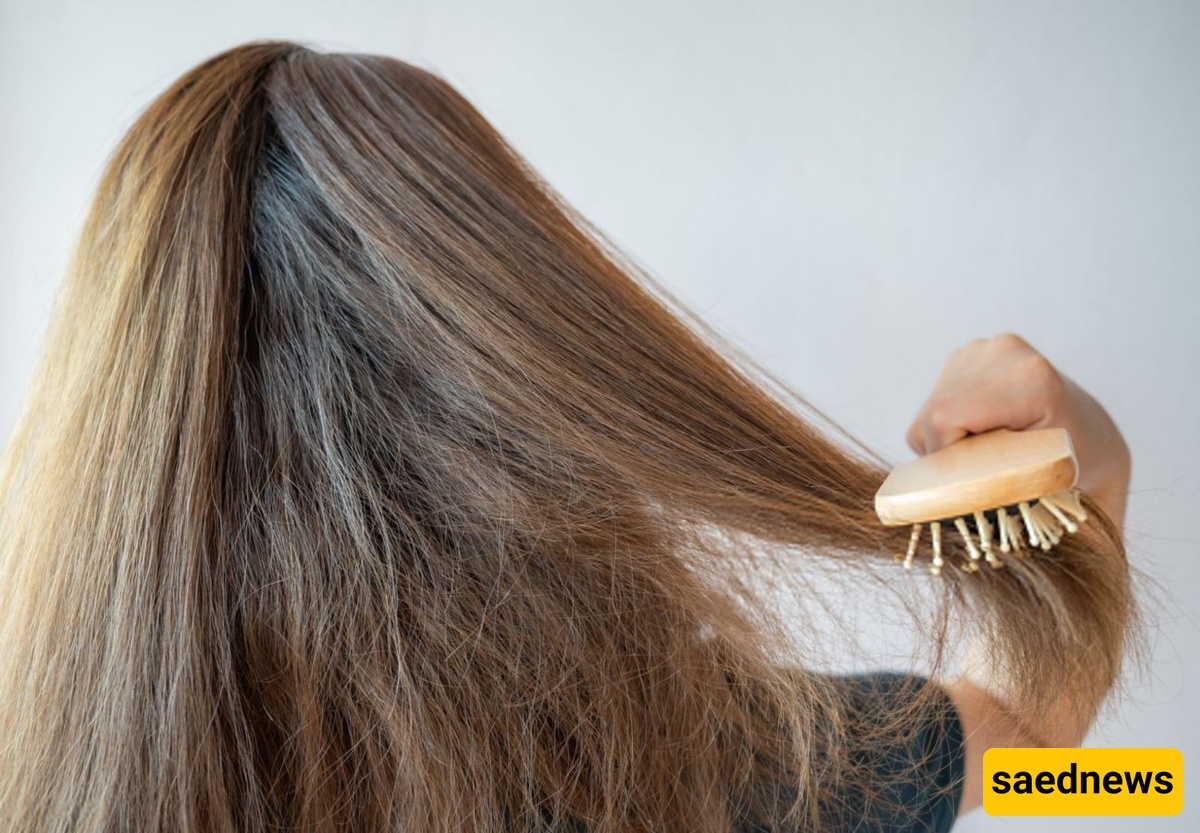
Scalp health and nutritional status also influence hair quality.
Dehydration, deficiencies in certain nutrients, prolonged stress, and some hormonal conditions may contribute to dry and brittle hair.
Although these factors generally affect hair more broadly, they can make already vulnerable sections more susceptible to roughness after chemical coloring.
Prolonged exposure to sunlight, wind, pollution, and swimming pool chlorine can make the hair cuticle more vulnerable to damage.
Color-treated hair is particularly sensitive to these environmental factors.
If certain sections of the hair receive more direct sunlight or frequent chlorine exposure, they may become rougher after coloring than the rest of the hair.
Hair roughness after coloring is often accompanied by several other symptoms, including:
Dryness and dullness on the hair surface.
Increased tangling and difficulty brushing.
Hair breakage and short broken strands.
Split ends.
Static electricity and frizz.
Noticeable differences in softness between the roots and lengths.
Loss of natural shine.
Recognizing these symptoms can help determine the type of damage and the most appropriate treatment.
If the hair is simply dry, moisturizing treatments may be more effective. However, if it is highly brittle, stretches excessively, or breaks easily, structural repair treatments and professional assessment may be necessary.
Uneven hair roughness after coloring is often the result of differences in hair porosity, previous chemical treatments, application techniques, heat damage, and environmental exposure.
Understanding why certain sections react differently is the first step toward restoring softness and preventing further damage.
Rather than treating the entire head of hair in the same way, it is important to identify the most vulnerable sections and choose appropriate moisturizing, conditioning, and protective treatments based on their individual needs.