SAEDNEWS: One of the most common questions in cooking and baking is, “How many grams are in a teaspoon?” Join us as we explore this topic and explain everything you need to know.
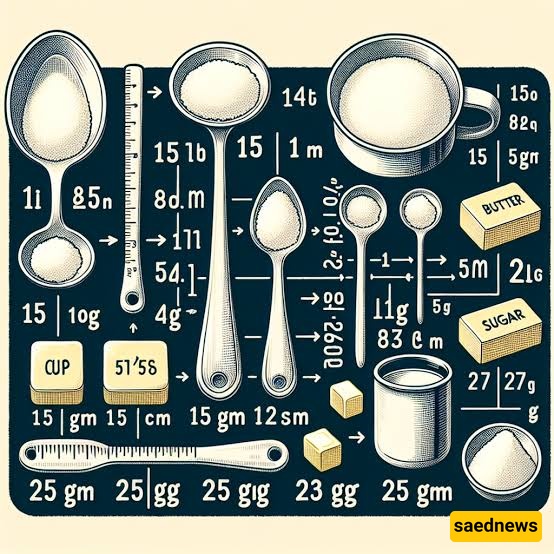
According to Saedenews, “How many grams are in a teaspoon?” is a common question in cooking, baking, and even drink preparation. The short answer is that there is no single measurement that applies to all ingredients. This is because a teaspoon measures volume, while grams measure weight.
However, a standard teaspoon typically holds approximately 5 milliliters. Based on this measurement, one teaspoon of water weighs about 5 grams, sugar weighs around 4 grams, fine salt weighs approximately 6 grams, and sifted flour weighs about 2.5–3 grams.
In this guide, we’ll explore teaspoon-to-gram conversions for different ingredients and share useful tips for achieving accurate measurements.
If you're using a standard, level teaspoon, its volume is approximately 5 milliliters. However, the weight of the ingredient depends on its density.
Here are some common examples:
1 teaspoon of water: approximately 5 grams
1 teaspoon of milk: approximately 5 grams
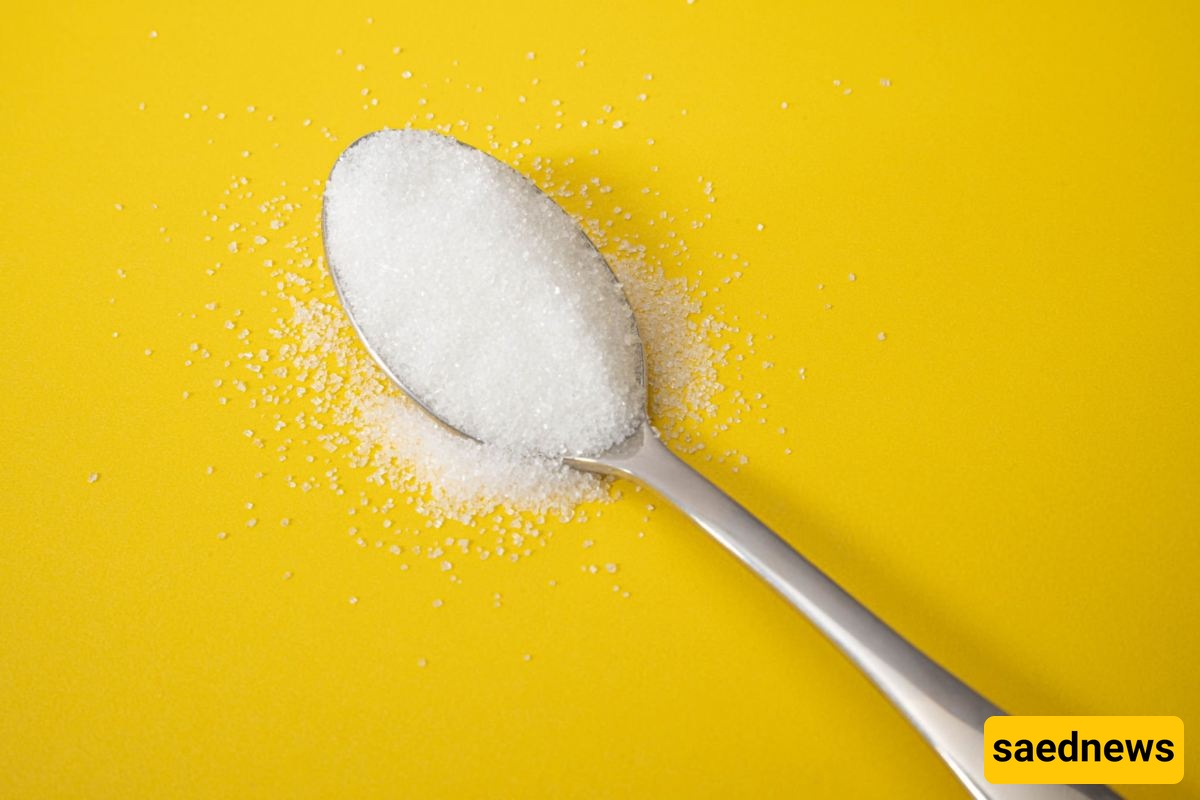
1 teaspoon of sugar: approximately 4 grams
1 teaspoon of fine salt: approximately 6 grams
1 teaspoon of flour: approximately 2.5–3 grams
1 teaspoon of honey: approximately 7 grams
1 teaspoon of vegetable oil: approximately 4.5 grams
These measurements are approximate. For recipes that require precision, especially baking, using a kitchen scale is recommended.
A teaspoon measures volume, whereas grams measure weight. The relationship between the two depends on the density of the ingredient.
The basic formula is:
Weight (grams) = Volume (milliliters) × Density (grams per milliliter)
For example, if a teaspoon holds 5 milliliters, the weight of its contents depends on the ingredient's density.
Water has a density close to 1 gram per milliliter, which means 5 milliliters of water weighs approximately 5 grams.
Flour has a lower density, so 5 milliliters of flour weighs less. Honey, on the other hand, is denser and therefore weighs more.
This explains why the question "How many grams are in a teaspoon?" cannot be answered accurately without knowing the ingredient.
In most international and Iranian recipes, a standard teaspoon is considered to hold approximately 5 milliliters.
However, measurements can vary slightly between countries. For example, a US teaspoon holds approximately 4.93 milliliters.
This difference is generally insignificant in everyday cooking but can matter in precision baking.
Another important factor is how the spoon is filled. A level teaspoon, a heaped teaspoon, and a rounded teaspoon all contain different amounts.
In professional recipes, a teaspoon usually refers to a level measurement unless otherwise specified.
The following chart provides approximate weights based on one level teaspoon containing about 5 milliliters. Actual measurements may vary depending on the brand, moisture content, particle size, and filling method.
Ingredient | Approximate Weight per Teaspoon |
|---|---|
Water | 5 g |
Milk | 5.1 g |
Vegetable oil | 4.5 g |
Honey | 7 g |
Granulated sugar | 4.2 g |
Brown sugar | 4–4.5 g |
Fine salt | 6 g |
Coarse salt | 5 g |
Sifted wheat flour | 2.5–3 g |
Packed flour | 3.5 g |
Cocoa powder | 2.5 g |
Baking powder | 4 g |
Baking soda | 4.6 g |
Dry yeast | 3 g |
Instant coffee | 2 g |
Powdered sugar | 3 g |
Melted butter | 4.8 g |
Yogurt | 5.1 g |
Vinegar | 5 g |
This chart is useful for quick measurements in everyday cooking. However, if you're preparing cakes, pastries, or bread, it's best to weigh key ingredients such as flour, sugar, and butter using a kitchen scale.
Several factors can change how much an ingredient weighs when measured with a teaspoon.
Density is the most important factor. Dense ingredients, such as honey and syrup, weigh more than lighter, airy ingredients like sifted flour when measured in the same volume.
Humidity and ingredient temperature can slightly affect measurements. Moist flour may become heavier or more compact. Similarly, cold, solid butter behaves differently from melted butter.
Fine and coarse salt do not have the same weight in an equal volume. Granulated sugar, powdered sugar, and brown sugar also have different densities.
Finer powders can sometimes become more compact, resulting in a higher weight.
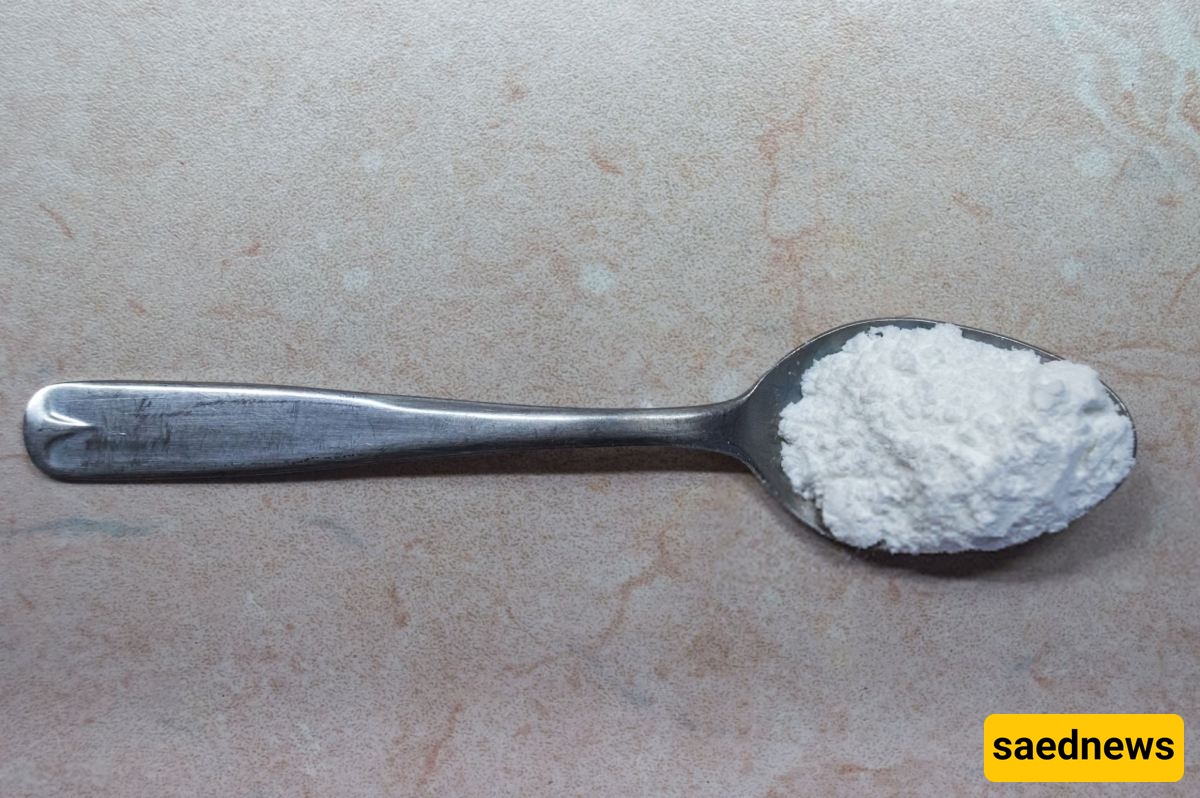
Scooping directly from an ingredient container without leveling the spoon can result in larger quantities.
For more accurate measurements, use another spoon to transfer the ingredient into your measuring teaspoon, then level the surface with the back of a knife.
This method is particularly important when measuring flour and baking powder.
Ingredients such as brown sugar, flour, and cocoa powder can become compressed inside a teaspoon.
For example, a firmly packed teaspoon of brown sugar may weigh more than a loosely filled one.
If a recipe lists an ingredient in grams but you want to measure it using teaspoons, you can use the following formula:
Number of teaspoons = Weight (grams) ÷ Weight of one teaspoon of the ingredient
For example, suppose you have 10 grams of sugar and one teaspoon of sugar weighs approximately 4.2 grams:
10 ÷ 4.2 ≈ 2.4 teaspoons
This means you need approximately two and a half teaspoons of sugar.
For 10 grams of fine salt:
10 ÷ 6 ≈ 1.7 teaspoons
For 10 grams of sifted flour:
10 ÷ 2.8 ≈ 3.6 teaspoons
Keep in mind that these calculations are approximate. For ingredients that require precise measurements, a kitchen scale is the better option.
Follow these simple tips to improve measurement accuracy:
Use a standard measuring teaspoon rather than a dessert spoon.
When measuring dry ingredients, transfer them into the measuring spoon instead of scooping directly from the container.
Level dry ingredients with the back of a knife.
Measure liquids using a clean, dry measuring spoon.
When measuring honey or syrup, lightly grease the spoon to help the ingredient slide out completely.
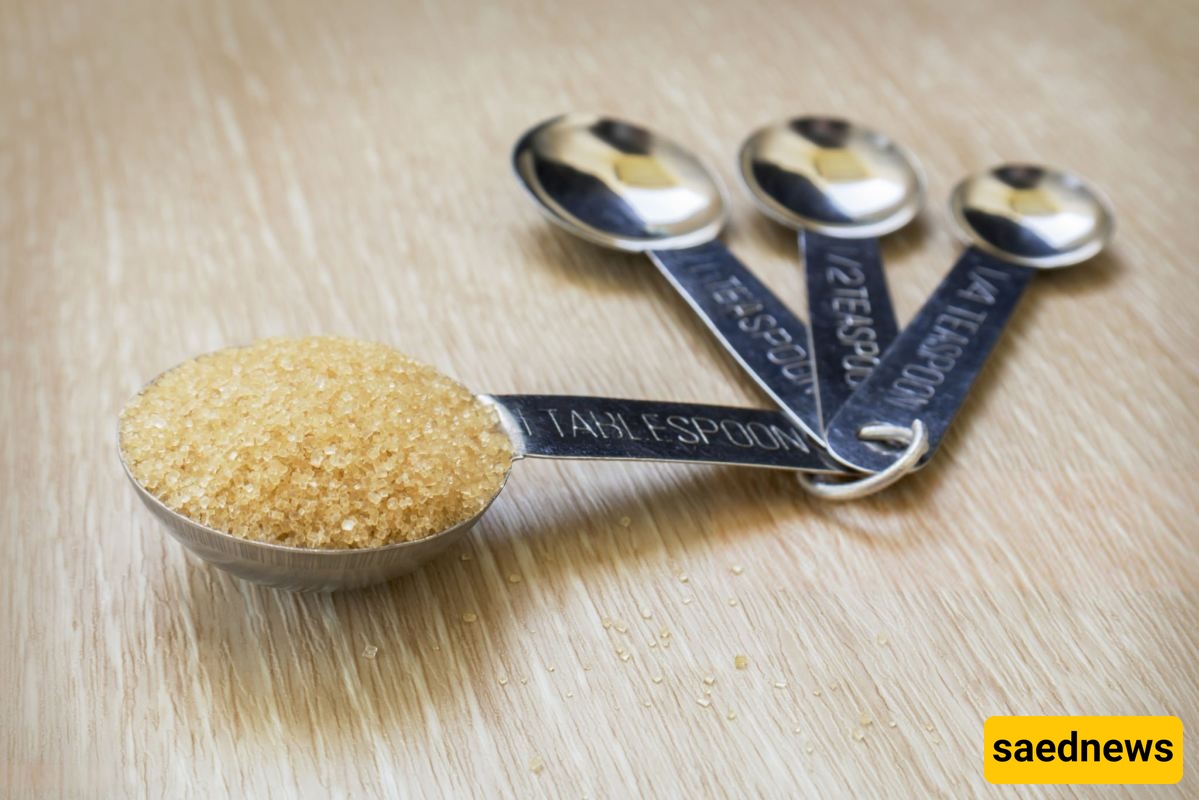
A standard teaspoon holds approximately 5 milliliters, but its weight varies depending on the ingredient. For example, a teaspoon of water weighs about 5 grams, sugar about 4.2 grams, fine salt about 6 grams, and sifted flour around 2.5–3 grams.
Understanding these differences makes it easier to follow recipes and achieve consistent results in cooking and baking. While teaspoon conversions are convenient for everyday use, a digital kitchen scale remains the most reliable way to measure ingredients accurately.