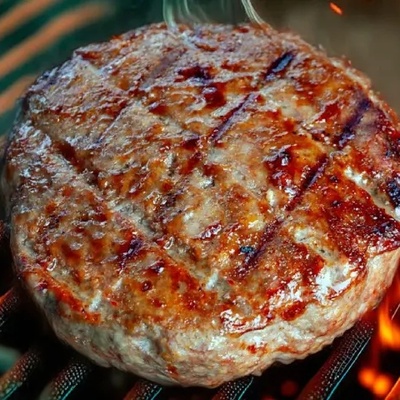
SAEDNEWS: How to Prevent Burgers from Sticking to the Grill: Simple Tips for Perfect Grilling
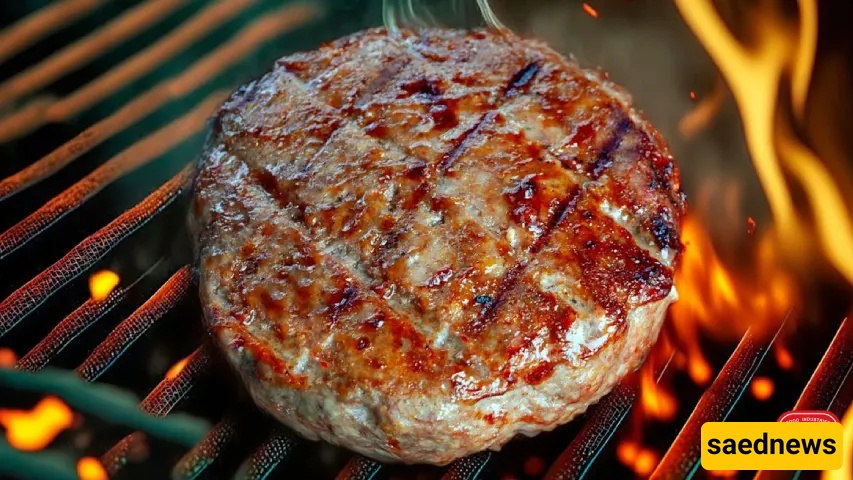
According to Saednews, Burgers sticking to the grill is one of the most frustrating problems home cooks and professional grillers can face. When burger patties stick to a hot grill surface, trying to remove them can tear the meat, cause juices to drip onto the flames, and ruin the burger's texture, flavor, and appearance.
Many people assume this problem is caused by the quality of the meat or the type of grill. However, in most cases, the real issue lies in proper preparation and grilling techniques.
One of the most effective ways to prevent burgers from sticking is to preheat the grill thoroughly. Allow the grill to heat up for at least 10–15 minutes before placing the patties on the cooking surface. The grill should be hot enough for water droplets to evaporate almost immediately.
For gas grills, turn on all burners and close the lid to distribute heat evenly. For charcoal grills, wait until the coals are glowing and covered with a layer of white ash.
Cast-iron grills may take longer to reach the ideal temperature, but the extra time is worth it.
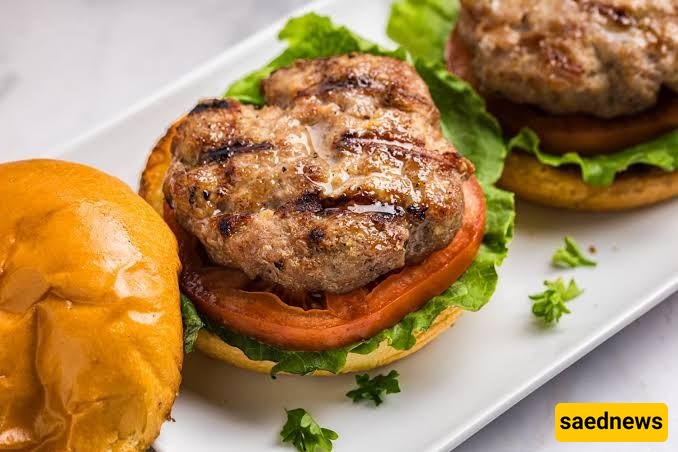
Leftover grease, food particles, and proteins from previous cooking sessions can act like glue, causing fresh burger patties to stick.
Before each use, thoroughly clean the grill grates with a suitable grill brush.
It is best to clean the grates while the grill is still hot, as food residue is easier to remove at higher temperatures. Once clean, lightly coat the surface with cooking oil using a heat-resistant cloth or grill brush.
A common mistake is brushing the burger patties with oil before placing them on the grill. This does not necessarily prevent sticking and may cause flare-ups or excessive charring.
The better approach is to lightly oil the grill grates rather than the meat.
Use an oil with a high smoke point, such as canola, sunflower, or peanut oil. Apply a thin, even layer with a silicone grill brush or heat-resistant cloth.
Avoid using too much oil, as excess grease can produce smoke and dangerous flare-ups.
Extremely lean ground beef is not ideal for grilling. Fat helps keep burgers juicy and can reduce direct contact between the meat and the metal surface.
A recommended ratio is approximately:
80% lean ground beef
20% fat
Freshly ground beef generally produces better results than frozen meat or ground beef with very little fat.
If possible, choose freshly ground meat with a suitable grind size to achieve a better texture without relying on unnecessary binders or additives.
Placing frozen or extremely cold burger patties directly onto a hot grill can contribute to sticking.
A sudden temperature difference can interfere with the formation of a properly seared outer crust, making the meat more likely to adhere to the cooking surface.
For refrigerated patties, allow them to sit briefly before grilling rather than placing them directly on the grill straight from the refrigerator.
If using frozen burgers, thaw them safely in the refrigerator before cooking. Avoid using warm water or leaving raw meat at room temperature for extended periods.
One of the simplest but most important grilling rules is to leave burger patties undisturbed during the initial cooking stage.
During this time, the proteins on the surface develop a browned crust that helps the burger release naturally from the grill.
Moving the patty too early can tear this developing crust and cause the meat to break apart.
The best indication that a burger is ready to flip is that it releases easily from the grill without resistance. If it still feels stuck, give it more time.
The way you shape your burger patties can also affect how they cook.
Avoid overworking or compressing the ground beef, as excessive handling can create a dense texture.
Shape the patties evenly, aiming for a thickness of approximately 2 cm (¾ inch).
A useful trick is to make a small indentation in the center of each patty with your thumb. This helps prevent the middle from puffing up during cooking and promotes more even contact with the grill.
Pressing burger patties with a spatula to speed up cooking is a common grilling mistake.
This forces valuable meat juices out of the patty, potentially causing flare-ups and reducing the burger's juiciness.
It can also increase surface moisture and interfere with proper browning.
Flip the burger only when necessary, and avoid pressing down on it while cooking.
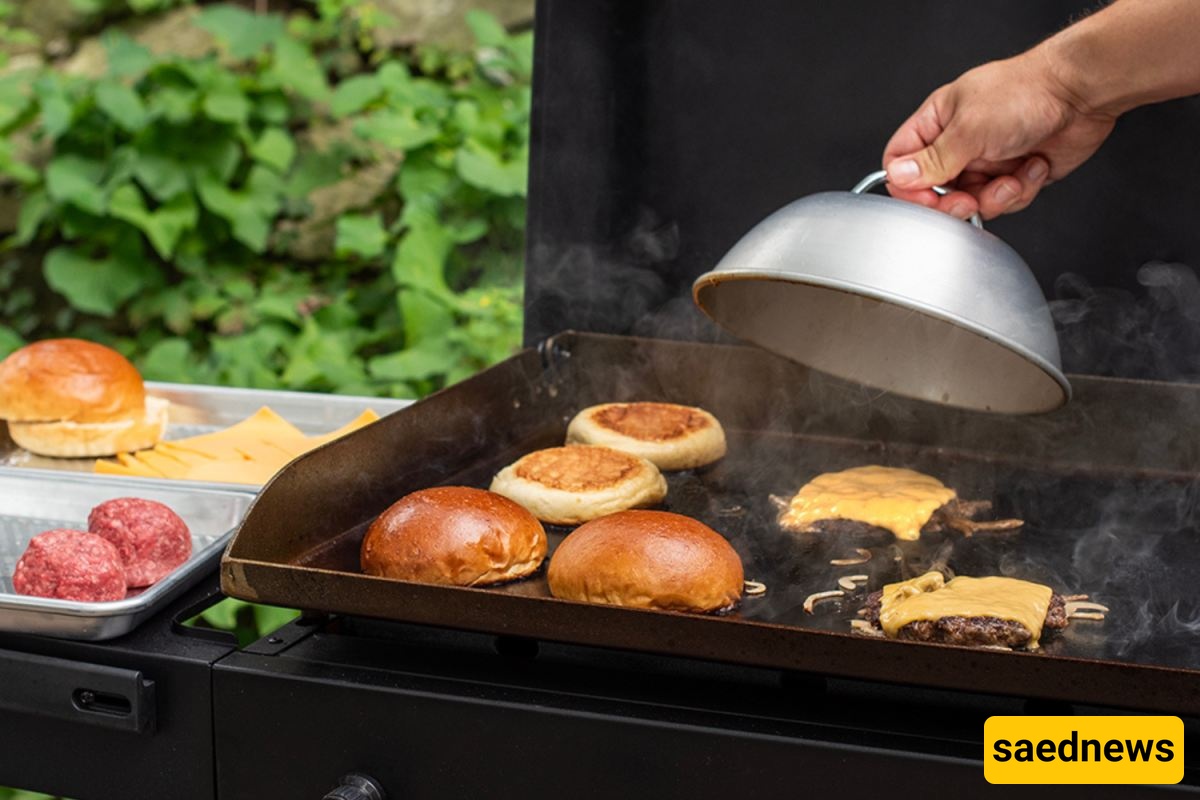
Different grill types require slightly different preparation methods.
Cast-iron grills: These can become prone to sticking if not properly maintained. Regular seasoning is essential.
Gas grills: Grates should be thoroughly preheated and lightly oiled before cooking.
Electric grills: Many feature nonstick coatings, but damaged or worn coatings can increase sticking.
Charcoal grills: Even heat distribution is especially important. Cooler areas may cause burgers to stick rather than sear properly.
Regardless of the grill type, proper preheating and surface preparation are essential.
Once you finish grilling, clean the cooking surface and apply a thin layer of cooking oil where appropriate.
This helps protect the grill from rust and reduces the likelihood of sticking during future cooking sessions.
For cast-iron grills, regular seasoning is particularly important. A properly maintained seasoning layer provides a protective barrier between the meat and the metal.
Preventing burgers from sticking to the grill does not require expensive equipment or complicated techniques. It mainly comes down to following a few essential principles: preheating the grill, cleaning the cooking surface, applying oil correctly, choosing ground beef with the right fat content, and allowing the burgers enough time to develop a proper crust.
By following these techniques, you can consistently prepare burgers with beautifully seared exteriors, juicy interiors, and a professional appearance.
Ultimately, a burger sticking to the grill is often a sign that something in the cooking process needs adjustment. With proper preparation, attention to temperature, and a little practice, you can achieve better grilling results and enjoy perfectly cooked burgers every time.