SAEDNEWS: Cauliflower Calories and Its Role in a Weight-Loss Diet

According to Saednews, Cauliflower is a popular and versatile vegetable that has earned a special place in healthy diets and weight-loss meal plans thanks to its low calorie content, high fiber, and impressive nutritional value. Many people want to know how many calories raw and cooked cauliflower contain and whether different cooking methods affect its calorie count. In this article, we take a closer look at cauliflower's calories, nutritional benefits, and the impact of cooking methods.
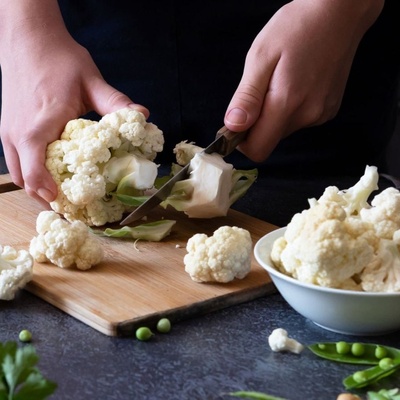
Cauliflower is not only a low-calorie vegetable but also provides several valuable nutrients. Every 100 grams of raw cauliflower contains approximately 25 calories. This serving provides around 5 grams of carbohydrates, 2 grams of plant-based protein, and less than half a gram of fat.
In addition, cauliflower is a good source of vitamin C, folate, potassium, and various antioxidants. Its fiber content helps support digestive health and promotes a feeling of fullness. The high water content of cauliflower also allows you to enjoy a satisfying portion of food without consuming too many calories.
These qualities make cauliflower an excellent choice for people who want to manage their calorie intake without feeling hungry.
It is worth noting that nutritional values and calorie counts are approximate and may vary slightly depending on the variety of cauliflower, growing conditions, harvesting time, and cooking method.
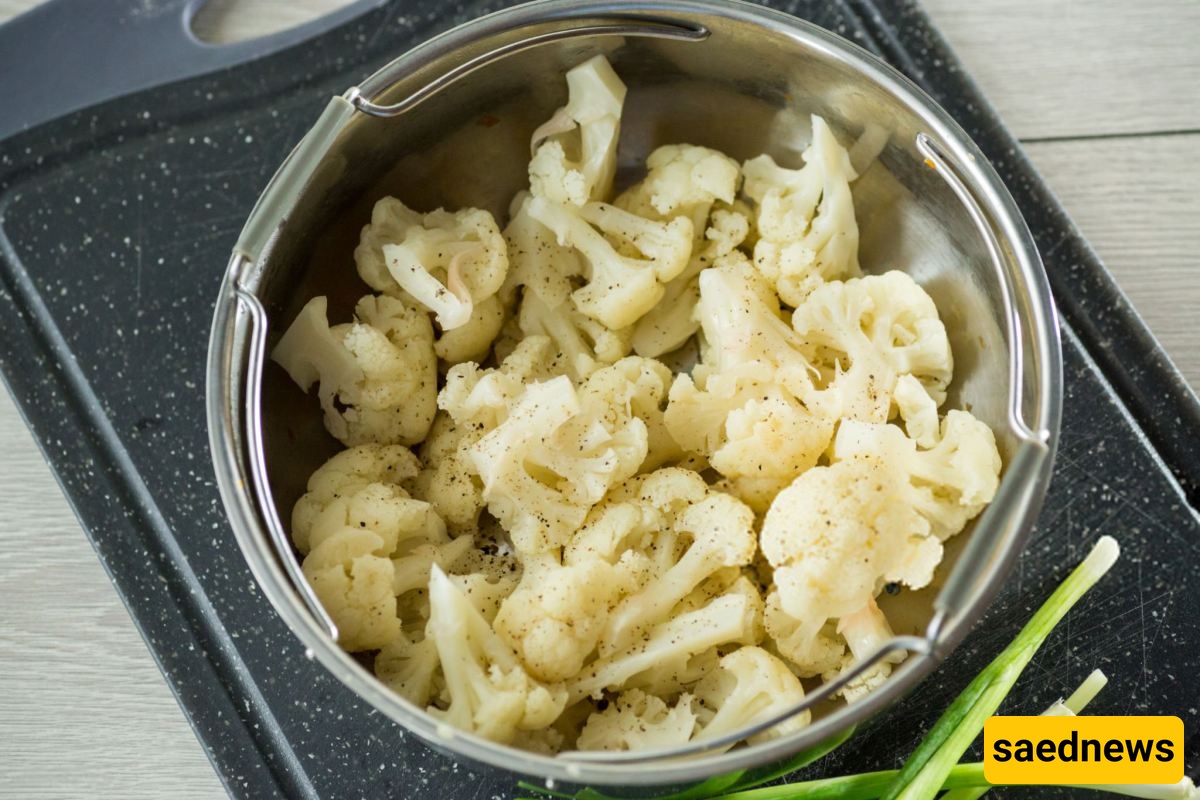
Raw cauliflower is considered a low-calorie vegetable because of its high water content and low energy density. Every 100 grams of raw cauliflower contains approximately 25 calories. This makes it possible to enjoy a generous portion without adding many calories to your daily intake.
Raw cauliflower contains almost no fat, and most of its calories come from carbohydrates and plant-based protein. People following a low-calorie diet can enjoy it in salads, as an appetizer, or as a healthy snack. Adding raw cauliflower to other vegetables can also increase meal volume while keeping the overall calorie count low.
One of the main advantages of eating cauliflower raw is that it preserves more heat-sensitive nutrients, such as vitamin C. However, raw cauliflower may not be suitable for everyone, as it can cause bloating or digestive discomfort in some people. Those with sensitive digestive systems may find it easier to start with smaller portions or eat cauliflower cooked.
Cooking cauliflower changes its texture, water content, and nutrient concentration. Depending on the cooking method, 100 grams of cooked cauliflower contains approximately 25–35 calories. This slight increase compared with raw cauliflower is mainly due to water loss during cooking.
When cauliflower is cooked, some of its water evaporates or drains away. As a result, the concentration of nutrients and calories per 100 grams may increase. The total energy content does not change significantly, but the reduced weight after cooking can make the calorie count per 100 grams slightly higher.
Nevertheless, cooked cauliflower remains a very low-calorie food. If you prepare it without adding oil, butter, cream, or high-fat cheese, the difference in calories between raw and cooked cauliflower is minimal.
For this reason, cooked cauliflower can also be an excellent addition to a healthy, calorie-conscious diet.
The cooking method is one of the most important factors affecting the final calorie content of cauliflower. When prepared by steaming or boiling, cauliflower generally remains low in calories.
Steaming is one of the best cooking methods because it helps preserve nutrients while requiring little or no added fat.
Boiled or steamed cauliflower contains approximately 25–30 calories per 100 grams. As long as you avoid adding high-calorie oils or sauces, it remains a nutritious, low-calorie option.
Steaming may also help preserve vitamin C and other beneficial plant compounds better than boiling.
When cauliflower is sautéed in a generous amount of oil or deep-fried, its calorie content can increase considerably.
One tablespoon of cooking oil contains approximately 90–120 calories. Therefore, even a small amount of oil can significantly increase the total calorie content of your cauliflower dish.
To keep calories low, consider using a small amount of oil, choosing oil-free cooking methods, or adding herbs and spices instead of high-calorie sauces.
Roasting cauliflower in the oven is another healthy and convenient cooking option, provided you control the amount of oil used.
If you roast cauliflower with a small amount of olive oil, spices, and lemon juice, its calorie content remains relatively moderate and manageable.
However, adding full-fat cheese, creamy sauces, or other high-calorie ingredients can substantially increase the total calories.
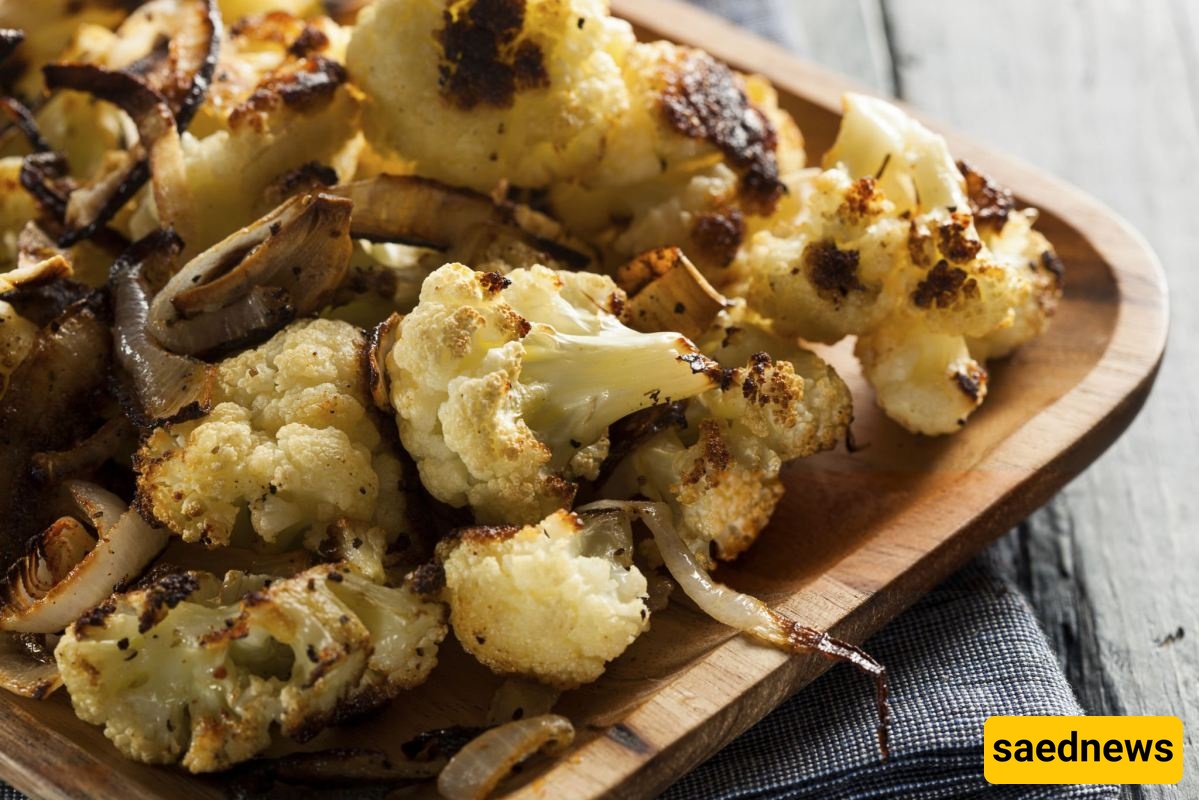
To get the most benefit from cauliflower's naturally low calorie content, pay attention to how you prepare it.
Steaming, boiling, and oven-roasting with minimal oil are all good choices. On the other hand, adding large amounts of butter, cooking oil, full-fat cheese, or creamy sauces can significantly increase the calorie content.
For a more balanced meal, combine cauliflower with other vegetables, lean protein sources, and whole grains. Eating a variety of vegetables also helps prevent dietary monotony and supports better nutrient intake.
People with sensitive digestive systems may experience bloating or discomfort after eating large amounts of raw cauliflower. In such cases, cooking cauliflower or reducing portion sizes may help.
Additionally, people taking certain medications or following specialized diets should consult a healthcare professional or registered dietitian about their intake of cruciferous vegetables.
Cauliflower is a nutritious, versatile, and low-calorie vegetable that can easily fit into a healthy eating plan. With approximately 25 calories per 100 grams when raw and around 25–35 calories when cooked, it is an excellent option for people looking to manage their weight.
The biggest difference comes from the cooking method and added ingredients rather than the cauliflower itself. Steaming, boiling, and roasting with minimal oil are among the best ways to enjoy cauliflower while keeping its calorie content low.