SAEDNEWS: Pumpkin contains beneficial nutrients such as beta-carotene, vitamins, minerals, and antioxidants that may help protect nerve cells, support memory, and improve concentration. In this article, we scientifically explore the potential benefits of pumpkin for brain health.
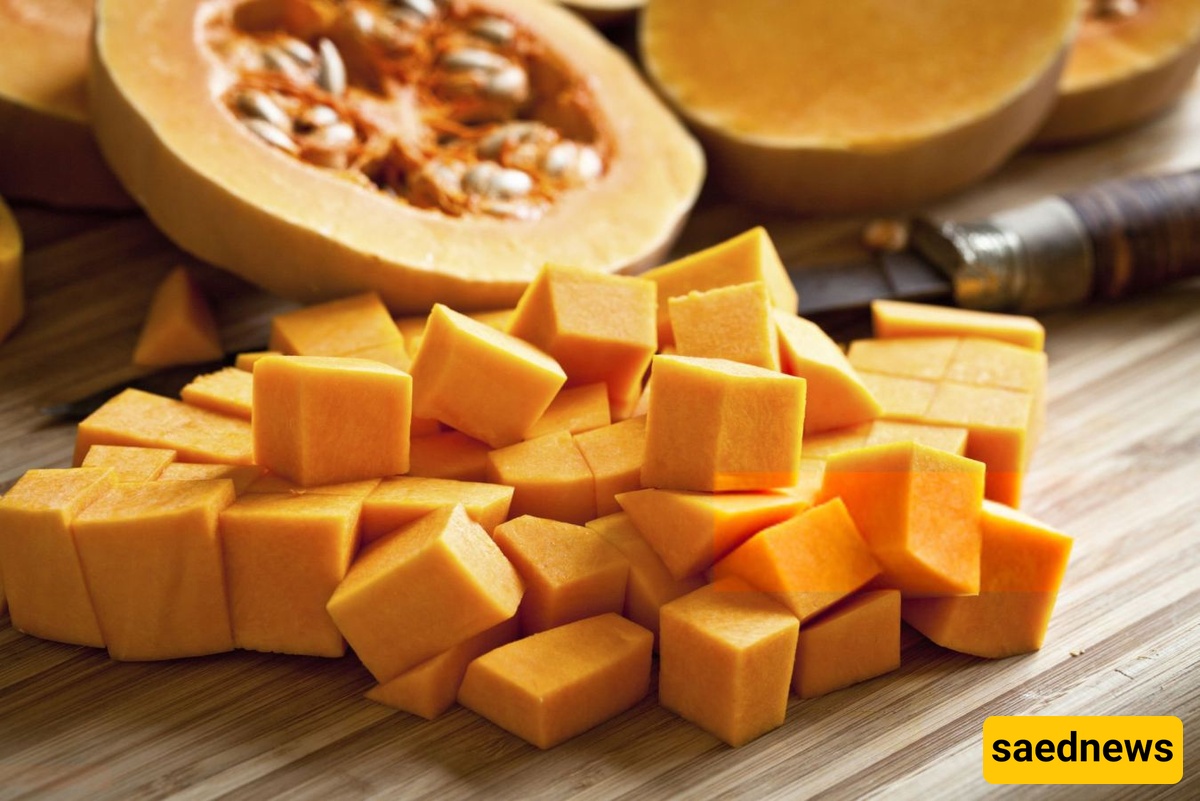
According to Saednews, Pumpkin is a popular and highly nutritious food, particularly during the colder months of the year. While many people know pumpkin simply as a delicious ingredient, this vibrant orange vegetable contains valuable nutrients that may benefit overall health, especially brain function. The potential benefits of pumpkin for brain health have attracted increasing attention from researchers and nutrition experts in recent years.
Pumpkin contains antioxidants, vitamins, minerals, and dietary fiber. Each of these nutrients plays a role in supporting cognitive function, improving memory, maintaining concentration, and protecting nerve cells. In this article, we explore the potential brain-health benefits of pumpkin and explain how to incorporate this nutritious food into a balanced diet.
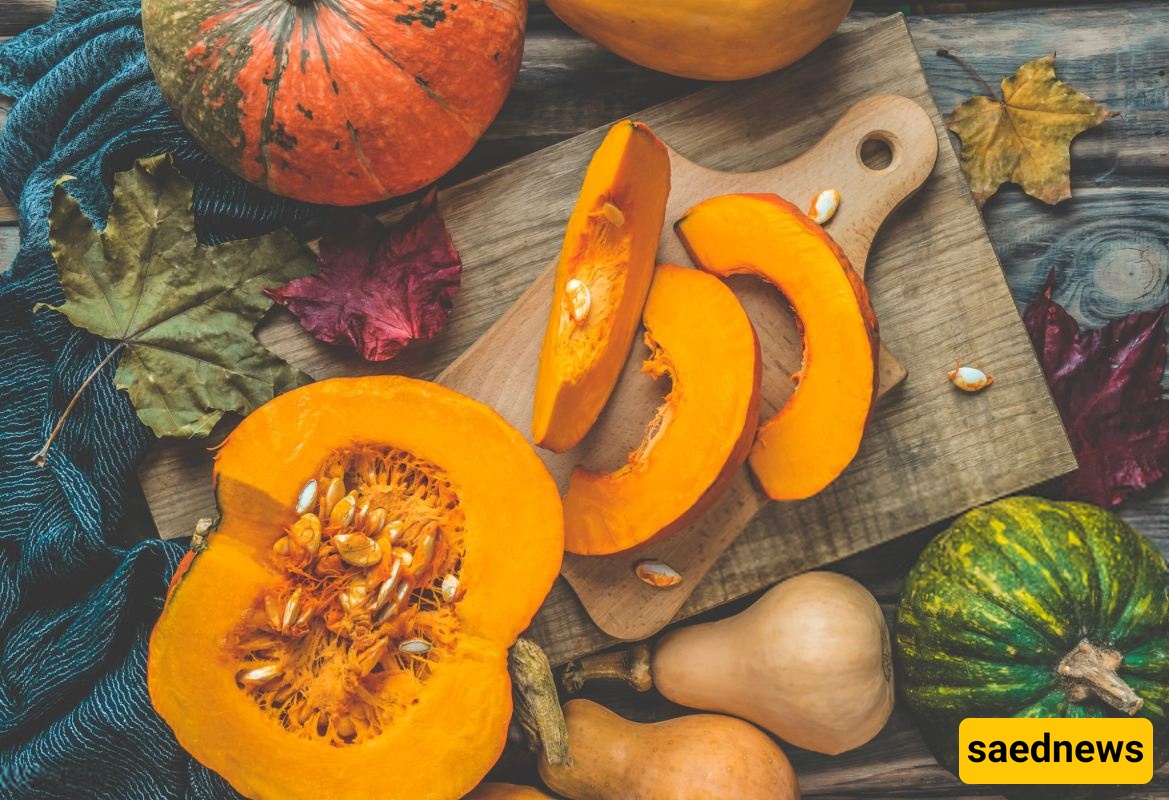
Pumpkin, also known as winter squash, belongs to the Cucurbitaceae family. Its orange flesh is rich in beta-carotene, vitamin C, vitamin E, potassium, magnesium, and dietary fiber. Pumpkin seeds are also highly nutritious, providing zinc, iron, magnesium, copper, tryptophan, and healthy fats.
Importantly, pumpkin's potential benefits for the brain come from both its flesh and, to some extent, its seeds. If you want to support brain health through your diet, you can enjoy pumpkin roasted, steamed, cooked in soups, added to salads, or eat its seeds as a lightly roasted, unsalted snack.
However, no single food works miracles. Its benefits should be considered as part of a varied and balanced diet.
The brain is particularly vulnerable to oxidative damage because it consumes large amounts of oxygen and contains high levels of fat. Oxidative stress occurs when free radicals accumulate beyond the body's ability to neutralize them. This process is associated with nerve cell aging and declining cognitive function.
Pumpkin contains several antioxidant compounds, including beta-carotene, vitamin C, vitamin E, and certain phenolic compounds. These nutrients help neutralize free radicals and may protect nerve cells against oxidative damage.
For this reason, antioxidant protection is considered one of the most important potential benefits of pumpkin for brain health. However, these protective effects are best supported when pumpkin is consumed alongside other nutrient-rich foods.
The orange color of pumpkin comes largely from beta-carotene, a natural pigment that the body can convert into vitamin A when needed. Vitamin A plays an important role in nerve cell growth and development, immune function, and maintaining healthy body tissues.
Vitamin A deficiency can affect nervous system function. However, excessive intake of vitamin A supplements may also be harmful.
Unlike preformed vitamin A, beta-carotene from foods such as pumpkin is generally considered a safer dietary source because the body regulates its conversion according to its needs.
Including pumpkin in your diet is therefore a practical way to obtain natural beta-carotene and support overall health, including brain function.
Vitamin C is an important water-soluble antioxidant involved in neurotransmitter production and blood vessel health. The brain depends on healthy blood vessels to receive sufficient oxygen and essential nutrients. Vitamin C also supports collagen production, helping maintain the structure of blood vessel walls.
Vitamin E is a fat-soluble antioxidant that is particularly important in fatty tissues, including the brain. It helps protect nerve cell membranes against oxidative damage.
The presence of both vitamins makes pumpkin a useful addition to a diet designed to support brain and nervous system health.
Pumpkin and its seeds provide several important minerals that contribute to normal brain function.
Magnesium: Supports nerve signaling, muscle relaxation, and the regulation of inflammation. Low magnesium levels may be associated with fatigue, poor concentration, and sleep disturbances.
Zinc: Found in particularly useful amounts in pumpkin seeds, zinc supports nervous system function, memory processes, and neurotransmitter regulation.
Iron: Essential for transporting oxygen to the brain. Iron deficiency can contribute to fatigue, reduced concentration, and impaired cognitive performance.
Potassium: Helps regulate blood pressure and supports blood vessel health, indirectly contributing to healthy blood flow to the brain.
These minerals help explain why pumpkin can be a valuable part of a brain-supportive diet.
For better absorption of plant-based iron, consider eating pumpkin alongside foods rich in vitamin C.
Pumpkin seeds contain tryptophan, an essential amino acid that the body uses to produce serotonin.
Serotonin is a neurotransmitter involved in regulating mood, emotional well-being, and sleep. It is also a precursor to melatonin, the hormone that helps regulate the sleep-wake cycle.
Although pumpkin flesh provides several beneficial nutrients, pumpkin seeds are particularly noteworthy for their tryptophan content.
Eating moderate amounts of roasted, unsalted pumpkin seeds can be part of a balanced diet that supports mental and brain health.
However, eating pumpkin seeds alone should not be expected to treat sleep disorders or mood-related conditions.
Pumpkin contains dietary fiber, which helps slow the absorption of sugars and may contribute to more stable blood glucose levels.
Significant fluctuations in blood sugar can be associated with fatigue, difficulty concentrating, and irritability. Including fiber-rich foods such as pumpkin in meals, alongside protein and healthy fats, may help support more consistent energy levels and mental focus.
Although pumpkin is generally a nutritious carbohydrate source, portion sizes still matter. People with diabetes or those who need to monitor their blood glucose should consider their overall carbohydrate intake and follow their healthcare professional's dietary recommendations.
Chronic inflammation is considered a contributing factor in several neurological conditions and cognitive disorders.
Pumpkin contains antioxidants and nutrients that may help support the body's natural inflammatory response. Its seeds also provide healthy fats, magnesium, and zinc, which are involved in various processes that regulate inflammation.
Although research in this area is ongoing, including pumpkin in a balanced diet is a sensible way to support overall health and potentially reduce the effects of chronic inflammation.
Many nutrients found in pumpkin, including antioxidants, magnesium, zinc, and healthy fatty acids, have been associated with cognitive function and a reduced risk of cognitive decline in various studies.
However, it is important to understand that much of this evidence comes from general research on nutrition and brain health rather than studies specifically examining pumpkin.
In other words, the potential brain benefits of pumpkin should not be interpreted as evidence that it can prevent or treat Alzheimer's disease, dementia, or other neurological conditions.
Instead, pumpkin can be one component of a brain-friendly dietary pattern that includes vegetables, fruits, whole grains, lean proteins, and healthy fats.
You do not need a complicated meal plan to enjoy the potential brain-health benefits of pumpkin.
Here are some simple ways to include it in your diet:
Roasted or steamed pumpkin: A simple and nutritious side dish.
Pumpkin soup: A warming meal that can be combined with vegetables and protein.
Pumpkin salad: Add cooked pumpkin to salads for extra fiber and nutrients.
Pumpkin seeds: Enjoy them as a healthy snack or sprinkle them over yogurt, oatmeal, and salads.
Homemade pumpkin dishes: Use pumpkin in nutritious homemade recipes.
Combining pumpkin with sources of protein and healthy fats can help create balanced meals. Pairing it with leafy green vegetables and vitamin C-rich foods is another good nutritional choice.

Pumpkin is generally a safe and nutritious food for most people. However, there are a few points worth considering:
Blood sugar management: People with diabetes should pay attention to portion sizes and their overall carbohydrate intake.
Calorie intake: Pumpkin seeds are relatively calorie-dense, so eating large quantities may contribute to excess calorie consumption.
Individual dietary needs: People with underlying health conditions or specific dietary restrictions should consult a doctor or registered dietitian when necessary.
Pumpkin is much more than a seasonal ingredient. Its combination of antioxidants, beta-carotene, vitamins, essential minerals, and dietary fiber makes it a nutritious addition to a balanced diet.
From supporting antioxidant defenses and normal nerve function to contributing nutrients involved in memory, concentration, and sleep, pumpkin offers several potential benefits for brain health.
While it is not a treatment or cure for neurological conditions, regularly including pumpkin and its seeds in a varied, nutrient-rich diet can be a simple and delicious way to support overall well-being.