SAEDNEWS: Swelling After Rhinoplasty: What to Expect During Recovery and What Affects Its Severity
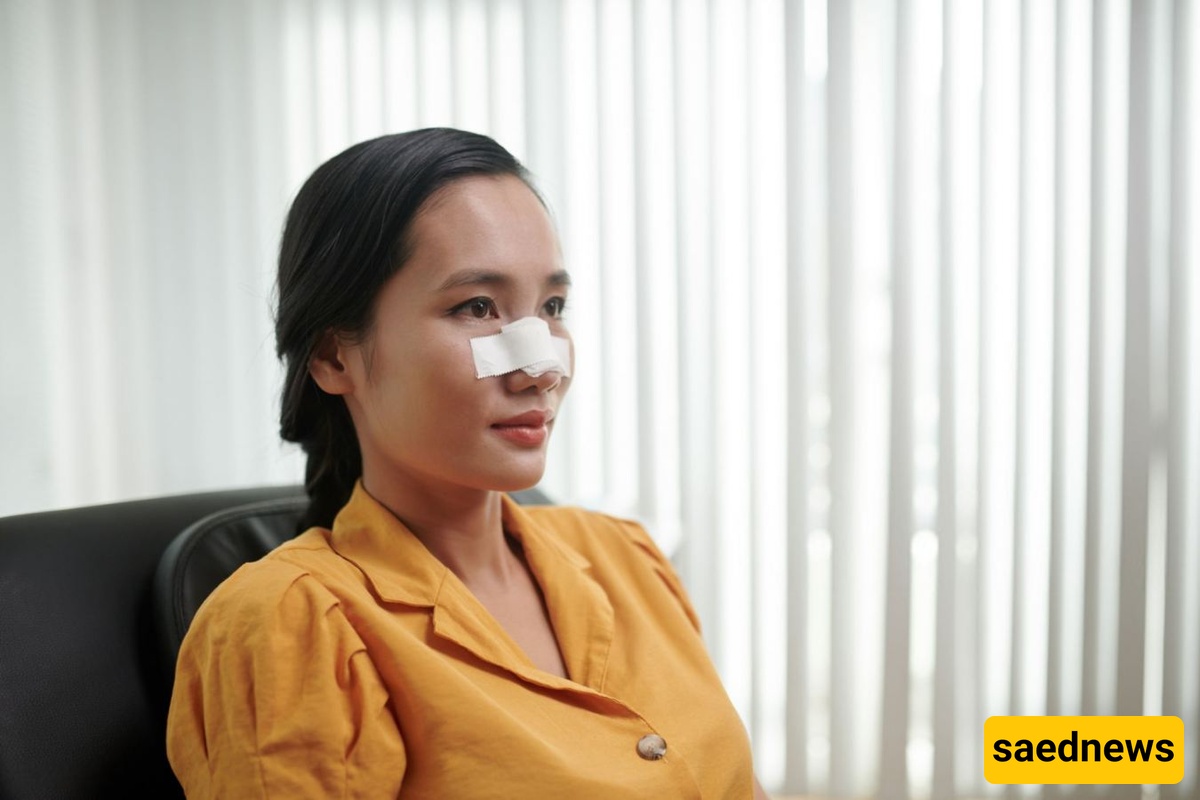
According to Saednews, Rhinoplasty, commonly known as nose surgery, is one of the most frequently performed cosmetic and reconstructive procedures worldwide. Many patients experience swelling after surgery and may worry that their nose will not achieve the desired final appearance.
In reality, swelling after rhinoplasty is a normal part of the healing process and usually decreases gradually over time. Understanding why swelling occurs and which factors can make it worse can help patients develop realistic expectations and follow appropriate postoperative care.
Swelling, also known as edema, refers to the accumulation of fluid in the body's soft tissues. During rhinoplasty, the skin, cartilage, bone, and internal nasal lining are affected by the surgical procedure.
To repair these tissues, the body initiates an inflammatory response, sending fluids, immune cells, and other substances involved in healing to the affected area. This process causes swelling after nose surgery.
Therefore, postoperative swelling is not only normal but also part of the body's natural tissue-repair process.
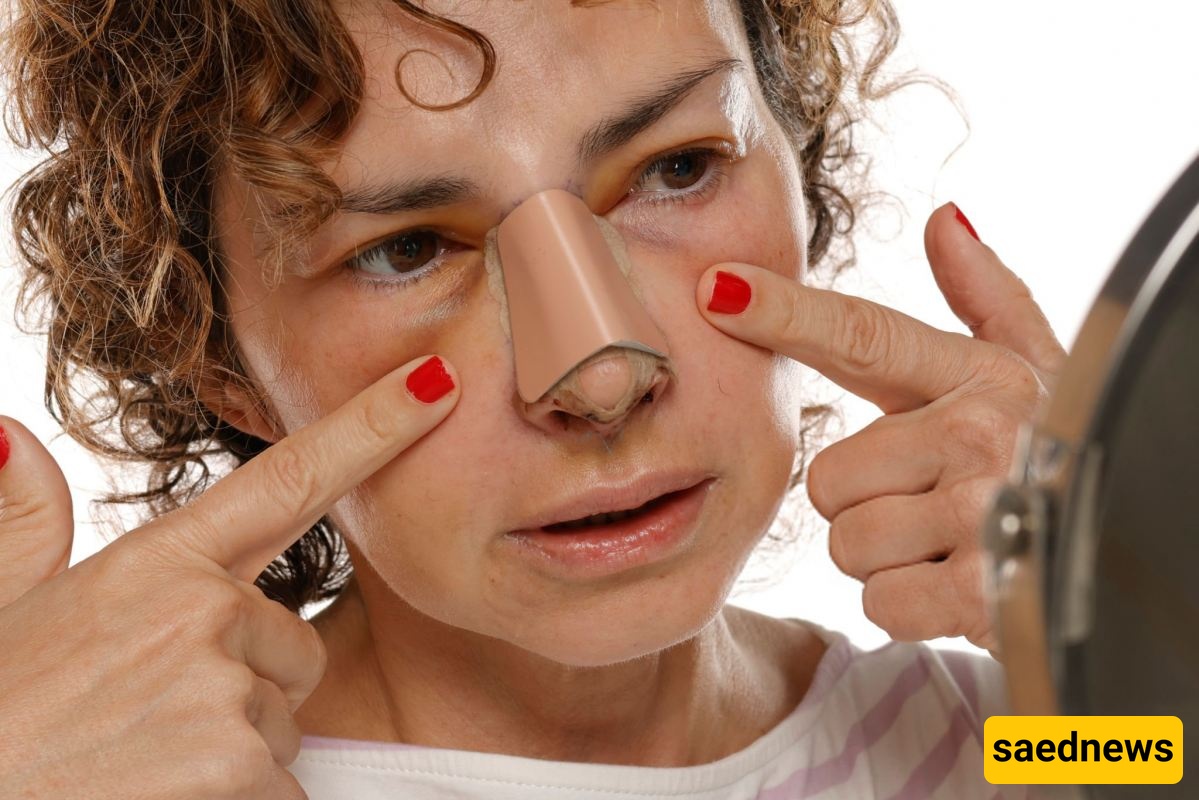
The primary cause of swelling after rhinoplasty is tissue trauma resulting from the surgery itself. Incisions in the skin or nasal lining, adjustments to the nasal bones and cartilage, and surgical sutures can all trigger an inflammatory response.
This response involves the widening of blood vessels, increased capillary permeability, and fluid accumulation in the spaces between cells.
Other factors that may contribute to postoperative swelling include:
Temporary disruption of lymphatic vessels: The lymphatic system helps drain excess fluid from tissues. These vessels may be temporarily disrupted during surgery, slowing fluid drainage.
Hematoma and bruising: Blood collecting beneath the skin can contribute to swelling and discoloration.
Effects of anesthetic fluids: Fluids administered during local or general anesthesia may remain in the tissues temporarily.
Use of a nasal splint or cast: Pressure from a splint may contribute to localized fluid accumulation, although the splint is important for supporting and protecting the nose during healing.
Reaction to foreign materials: If grafts or implants are used, the body may develop a mild inflammatory response around them.
The severity and duration of swelling after rhinoplasty vary from person to person. Some patients experience only mild swelling for a few days, while others may have noticeable swelling for several weeks or longer.
Several factors can influence these differences.
People with thicker nasal skin often experience more persistent swelling. Thick skin can make subtle changes in the underlying nasal structure less visible and may be associated with a longer period before the final nasal contour becomes apparent.
Open rhinoplasty, osteotomy (surgical cutting or repositioning of bone), and complex revision procedures may involve more tissue manipulation and can lead to greater swelling.
In general, the extent of tissue disruption influences the intensity of the inflammatory response and the time required for recovery.
Patients who have undergone nose surgery in the past may have scar tissue and altered tissue anatomy. Revision surgery can therefore involve a more complex healing process, and swelling may persist longer.
Age, general health, individual healing characteristics, and lymphatic function can all influence postoperative swelling.
Younger people may sometimes recover more quickly, but this is not a universal rule. Recovery varies considerably between individuals.
Smoking can impair blood circulation and delay wound healing, potentially increasing the risk of complications.
Alcohol may contribute to dehydration or changes in blood vessel function and can interact with certain medications. It is best to avoid alcohol during the early recovery period and follow your surgeon's instructions regarding when it is safe to resume drinking.
Excessive sodium intake can promote fluid retention and may worsen swelling in some individuals.
Highly processed foods, canned foods with added salt, and salty snacks can contribute to high sodium intake. Choosing balanced meals and limiting excess salt may help support recovery.
Strenuous exercise, bending forward, lifting heavy objects, and activities that increase blood pressure may worsen swelling or increase the risk of bleeding during the early recovery period.
Patients should follow their surgeon's recommendations for gradually resuming exercise and other physical activities.
Sleeping on your stomach or without adequate head elevation may increase facial swelling or put unwanted pressure on the nose.
During the initial recovery period, sleeping on your back with your head elevated can help minimize swelling. Follow your surgeon's specific postoperative instructions.
Exposure to excessive heat, saunas, hot baths, and direct sunlight may increase blood flow to the skin and worsen swelling.
Avoiding excessive heat and protecting the healing nose from direct sunlight can help support recovery.
Understanding the typical recovery timeline can help patients avoid unnecessary concern. Although the exact course varies, swelling generally follows this pattern:
First 24–72 hours: Swelling often reaches its peak. Bruising around the eyes may also develop.
First week: Swelling gradually begins to decrease, although it may remain noticeable.
Second week to one month: A substantial amount of swelling subsides, but mild swelling usually remains.
One to three months: The nose begins to show a more defined shape, although swelling in the nasal tip and internal tissues may persist.
Three to six months: Many patients notice a result that is closer to the eventual appearance, although further refinement may occur.
Six to twelve months: Remaining swelling continues to resolve, and the final result becomes more apparent. In some patients, particularly those with thicker skin or revision surgery, complete refinement may take longer than a year.
It is important to remember that healing does not occur at the same rate for everyone. The nasal tip often retains swelling longer than other parts of the nose.
Although swelling is expected after rhinoplasty, certain symptoms may indicate a complication and should not be ignored.
Contact your surgeon promptly if you experience any of the following:
Severe or progressively worsening pain.
Fever or chills.
Pus-like or foul-smelling nasal discharge.
Significant redness or unusual warmth around the nose.
Sudden asymmetry or rapidly increasing swelling on one side of the nose.
Difficulty breathing that is new or worsening.
Persistent or heavy bleeding.
These symptoms may indicate an infection, hematoma, or another postoperative complication that requires medical assessment.
Seek urgent medical attention for severe breathing difficulties, uncontrolled bleeding, or rapidly worsening symptoms. Do not assume that these problems are part of normal healing.
Swelling after rhinoplasty is a natural response to surgical tissue injury and usually improves gradually over several weeks and months. Its severity and duration depend on factors such as skin thickness, surgical technique, previous procedures, individual healing characteristics, and postoperative habits.
Following your surgeon's instructions, keeping your head elevated while sleeping, avoiding strenuous activity during the early recovery period, and limiting excessive heat exposure can help support healing.
Most importantly, be patient with the recovery process. The final shape of the nose may take a year or longer to become fully apparent. If swelling worsens unexpectedly or is accompanied by concerning symptoms, contact your surgeon for an evaluation.