SAEDNEWS: Retinol, a derivative of vitamin A, is widely recognized as one of the most effective compounds for skin rejuvenation. This article explores the scientifically supported benefits of retinol, how to use it correctly, and its potential side effects.
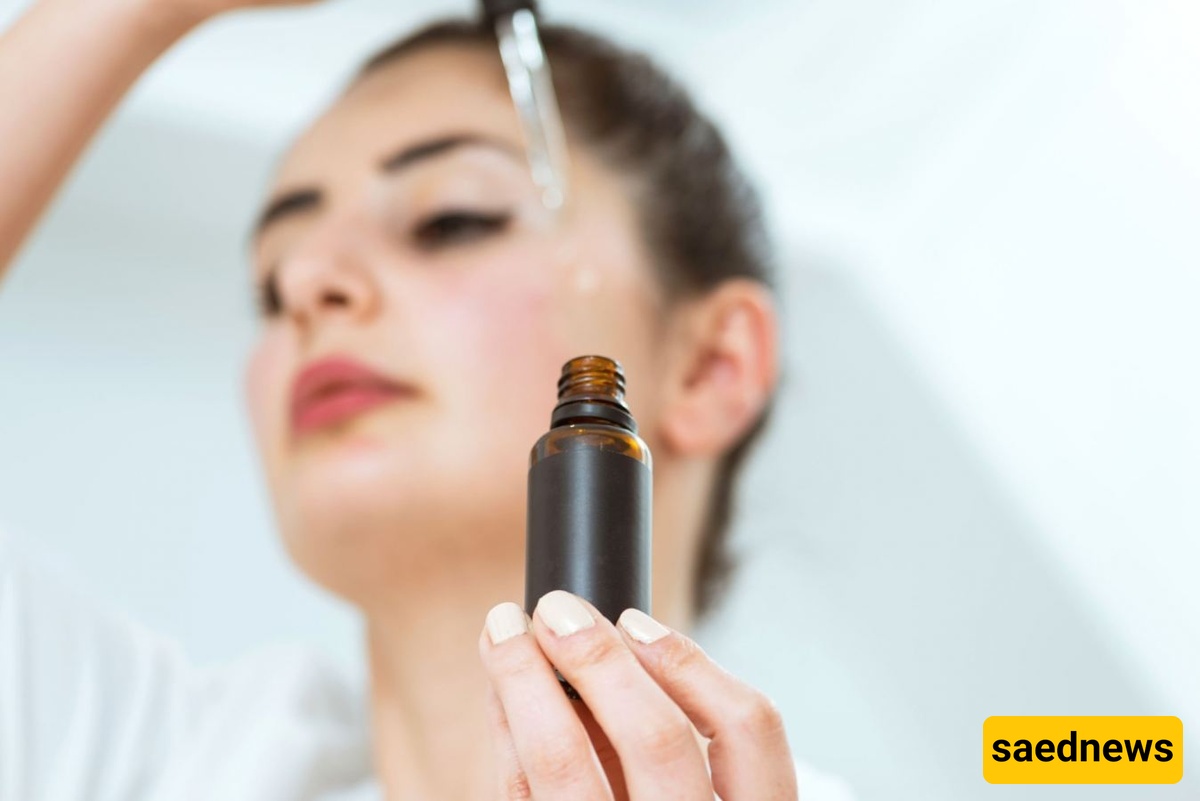
According to Saednews, Retinol is a type of retinoid naturally found in animal-derived foods such as liver, eggs, and dairy products. In skincare, retinol and related vitamin A derivatives—including retinaldehyde, retinoic acid, and retinyl esters—are widely used to improve skin quality. What makes retinol particularly popular is its balance between proven effectiveness and relatively good skin tolerance compared with stronger retinoids.
When applied to the skin, retinol penetrates skin cells and is converted through two steps into retinoic acid (tretinoin), the biologically active form of vitamin A. Retinoic acid interacts with nuclear receptors, including RAR and RXR, triggering several processes:
Faster cell turnover: Retinol encourages the renewal of keratinocytes, helping replace older cells with newer, healthier ones.
Increased collagen production: It stimulates fibroblasts to produce collagen, particularly types I and III, which contribute to skin firmness and elasticity.
Reduced collagen breakdown: Retinoids can help limit the activity of matrix metalloproteinases (MMPs), enzymes involved in collagen and elastin degradation associated with aging and UV exposure.
Sebum regulation: Retinol can help regulate sebaceous gland activity and reduce the tendency of pores to become clogged.
Improved pigmentation: By influencing melanin production and skin-cell turnover, retinoids can gradually improve the appearance of dark spots and uneven skin tone.
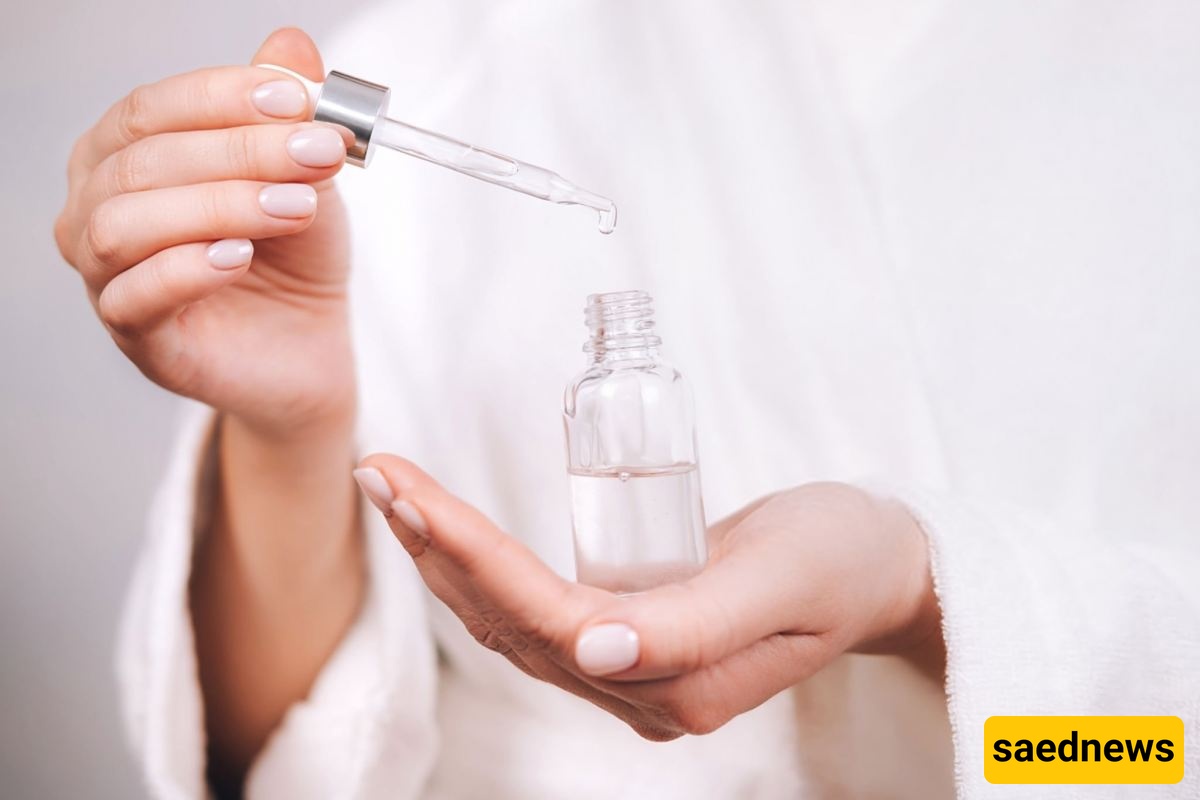
Clinical research has shown that consistent retinoid use can improve the appearance of fine and moderate wrinkles over time. This effect is largely associated with increased collagen production, improved epidermal thickness, and better overall skin structure. Retinoids may also support elastin remodeling, helping improve skin elasticity.
By accelerating the natural shedding and renewal of skin cells, retinol can make the skin surface smoother and more even. Regular use may reduce roughness, improve the appearance of enlarged pores, and give the skin a softer, more refined appearance.
Retinol can help improve uneven pigmentation by promoting skin-cell turnover and influencing melanin production. With consistent use, it may gradually reduce the appearance of sunspots, age spots, post-acne marks, and other forms of hyperpigmentation.
Retinoids are among the most established topical treatments for acne. They help prevent clogged pores, regulate cell turnover, and can reduce the formation of blackheads and whiteheads. They may also be useful as part of a broader acne-treatment routine and can gradually improve post-acne marks.
Regular retinoid use can increase epidermal thickness and support the structure of the dermis. Over time, this may give the skin a fuller, firmer appearance and help counter some visible signs of premature aging.
Improved cell turnover and smoother skin texture can make the complexion appear brighter and healthier. Retinoids may also contribute to a more even-looking complexion by helping address pigmentation and roughness.
Retinol and vitamin A derivatives are involved in processes that help protect skin from oxidative stress. However, retinol should not be considered a substitute for sunscreen or other forms of UV protection.
Retinol is best introduced gradually, particularly if you have never used a retinoid before.
A common approach is:
Weeks 1–2: Apply it two nights per week.
Weeks 3–4: If your skin is tolerating it well, increase to three nights per week.
Afterward: Gradually increase frequency as tolerated rather than automatically moving to daily use.
Cleanse: Wash your face with a gentle cleanser.
Dry thoroughly: Apply retinol to completely dry skin, especially if you are prone to irritation.
Use a small amount: A pea-sized amount is generally sufficient for the entire face.
Avoid sensitive areas: Keep it away from the eyelids, lips, and the immediate creases around the nose.
Moisturize: Follow with a gentle moisturizer to support the skin barrier.
Keep your skin moisturized: Products containing ingredients such as ceramides and hyaluronic acid can help maintain hydration.
Wear sunscreen every day: A broad-spectrum SPF 30 or higher is essential when using retinoids and is one of the most important steps in any anti-aging routine.
Try the sandwich method: If your skin is sensitive, apply a thin layer of moisturizer, followed by retinol, then another layer of moisturizer.
Avoid overloading your routine: Introducing strong exfoliating acids such as AHAs or BHAs at the same time as retinol can increase irritation. High-strength vitamin C products may also be better used at a different time of day or introduced separately.
Retinol can cause an adjustment period, particularly during the first few weeks. Possible reactions include:
Redness and irritation
Dryness and flaking
Mild itching or burning
Increased sensitivity to sunlight
Temporary worsening of breakouts in some people
If irritation becomes significant, reduce the frequency of application and focus on gentle cleansing and moisturization. Persistent or severe irritation is a reason to stop the product and seek professional dermatological advice.
It is also worth noting that not every breakout after starting retinol is necessarily a true “retinol purge.” Irritation or an unsuitable product can also cause breakouts.
Retinoid use requires particular caution during pregnancy. People who are pregnant or trying to become pregnant should discuss retinoid use with their healthcare professional and generally avoid topical retinoids unless specifically advised otherwise.
Those with active eczema, severe dermatitis, a significantly impaired skin barrier, or a history of strong reactions to skincare products should also consult a dermatologist before introducing retinol.
Retinol is one of the most extensively studied ingredients for improving visible signs of skin aging. With consistent and appropriately introduced use, it can help soften fine lines, improve skin texture, even out pigmentation, support collagen, and reduce acne-related congestion. The key is patience: start gradually, protect your skin from the sun, and prioritize your skin barrier rather than using more product or applying it more frequently than your skin can tolerate.