SAEDNEWS: Rich in vitamins, antioxidants, and fatty acids, persimmon oil can help strengthen hair follicles, reduce hair loss, improve hydration, and enhance shine. In this article, we explore its benefits, ways to use it, and important tips to keep in mind.
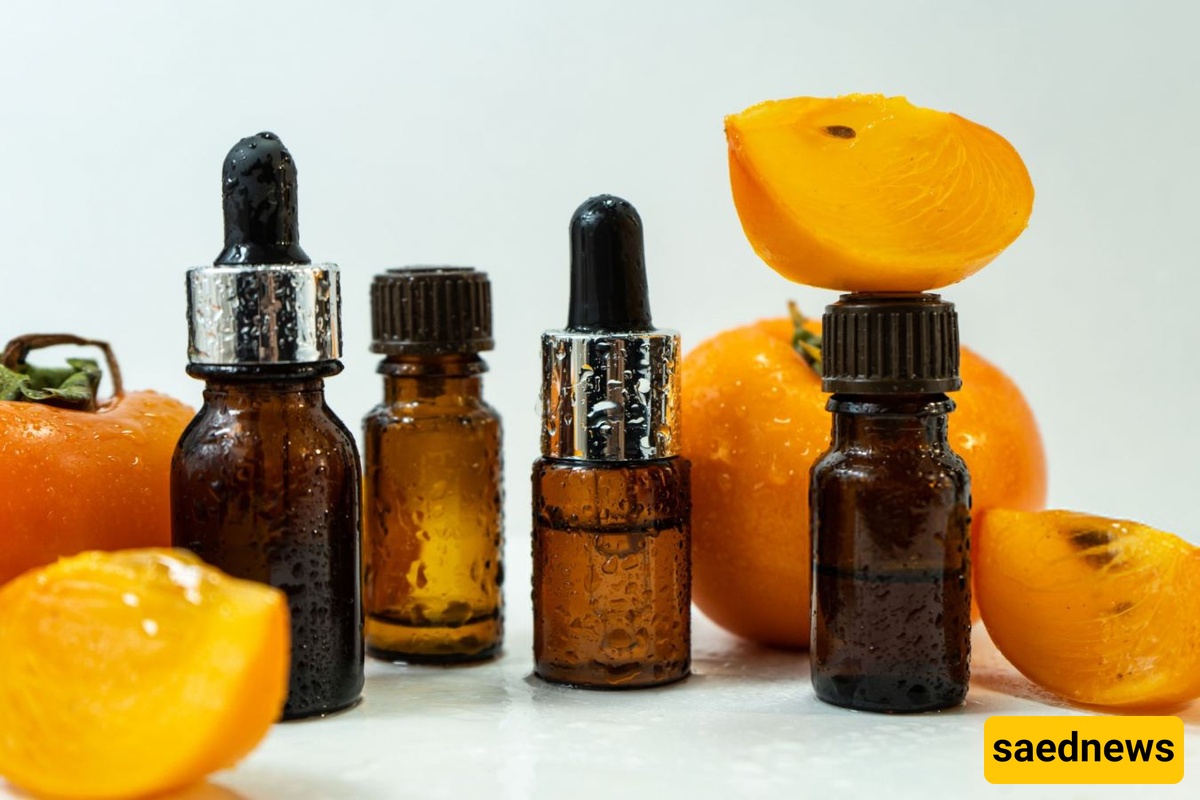
According to Saednews, In today’s world, where chemical and industrial hair-care products are widely available, turning back to nature and using plant-based oils has become one of the most popular approaches to hair care. Among these natural oils, persimmon oil is a lesser-known but potentially valuable option that has attracted the attention of hair-care enthusiasts and beauty experts. Extracted from the persimmon fruit, this botanical oil contains vitamins, antioxidants, and essential fatty acids that may support healthier and more beautiful hair.
This article takes an in-depth look at the potential benefits of persimmon oil for hair, explains practical ways to use it, and covers important precautions to keep in mind. If you are looking for a natural addition to your hair-care routine to support moisture, shine, strength, and overall hair health, read on.
Persimmon is a sweet, flavorful fruit that is widely available during the autumn and winter months. In addition to being consumed as food, persimmon and its derivatives are used in cosmetic and personal-care products because of their nutritional and antioxidant properties.
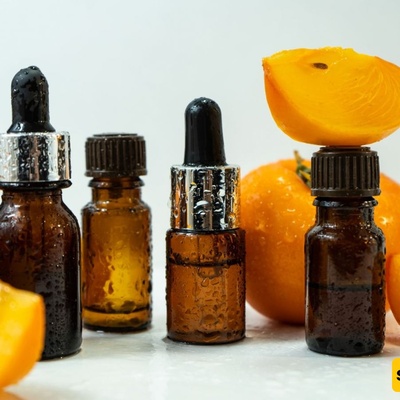
Persimmon oil may be obtained from the seeds and other parts of the fruit. Because of its naturally occurring compounds, it is used as a botanical ingredient in skin- and hair-care applications.
The oil generally has a relatively light texture and can spread easily over the scalp and hair shaft. Depending on how it is produced, its color may range from pale yellow to orange, and it may have a mild aroma.

To better understand why persimmon oil is used in hair care, it is useful to look at the compounds associated with persimmons and persimmon-derived oils.
Vitamin A: Vitamin A is involved in maintaining normal skin function and sebum production, which helps support the scalp’s natural moisture balance.
Vitamin C: A powerful antioxidant, vitamin C helps protect cells from oxidative stress and environmental damage.
Vitamin E: Vitamin E has antioxidant properties and is commonly used in hair and scalp care to help protect against oxidative stress.
B vitamins: Several B vitamins are involved in normal cellular metabolism and may contribute to healthy hair growth and maintenance.
Persimmon-derived oil may contain beneficial fatty acids such as oleic, linoleic, and palmitic acids. These fatty acids can help condition the hair and support moisture retention.
Persimmons contain antioxidant compounds, including tannins, flavonoids, and carotenoids. These compounds can help protect against oxidative stress and may have soothing properties.
Persimmons also provide minerals such as potassium, magnesium, zinc, and iron. These nutrients play various roles in normal biological processes, although the amount present in a particular oil can vary depending on how it is extracted and processed.

One potential benefit of persimmon oil is its ability to condition the hair and scalp. Applying an appropriate amount to the scalp and hair may help reduce dryness and leave the hair feeling softer and more manageable.
Hair can become weak and brittle because of repeated heat styling, chemical treatments, environmental exposure, and inadequate conditioning. The fatty acids and other compounds in plant oils can help coat the hair shaft, improving its feel and reducing friction.
While persimmon oil may support healthier-looking hair, it should not be considered a proven medical treatment for hair loss.
Dry, brittle hair is especially common during cold or dry weather. Because plant oils can help reduce moisture loss from the hair shaft, persimmon oil may work as a natural conditioning treatment.
Regular, moderate use may leave the hair feeling softer, smoother, and less prone to breakage.
Applying a small amount of oil to the hair can smooth the outer surface of the hair shaft. This allows light to reflect more evenly, giving the hair a smoother and shinier appearance.
Air pollution, sunlight, heat styling, and chemical treatments can all contribute to hair damage. Oils containing antioxidants and fatty acids may provide some conditioning and protective effects when applied to the hair.
However, persimmon oil should not be considered a substitute for dedicated heat protectants or UV-protective hair products.
Scalp massage with a small amount of oil can be a relaxing addition to a hair-care routine. The massage itself may temporarily increase local blood flow, while the oil helps reduce friction during the process.
There is not enough evidence to conclude that persimmon oil alone significantly accelerates new hair growth.
The conditioning properties of botanical oils may be helpful for a dry or uncomfortable scalp. However, persistent dandruff, itching, redness, scaling, or inflammation may have an underlying medical cause and should be evaluated by a dermatologist rather than treated solely with oil.
Persimmon oil may be suitable for many hair types when used appropriately. It can be particularly useful as a conditioning treatment for dry or damaged hair. People with fine or oily hair should use smaller amounts to avoid weighing the hair down.
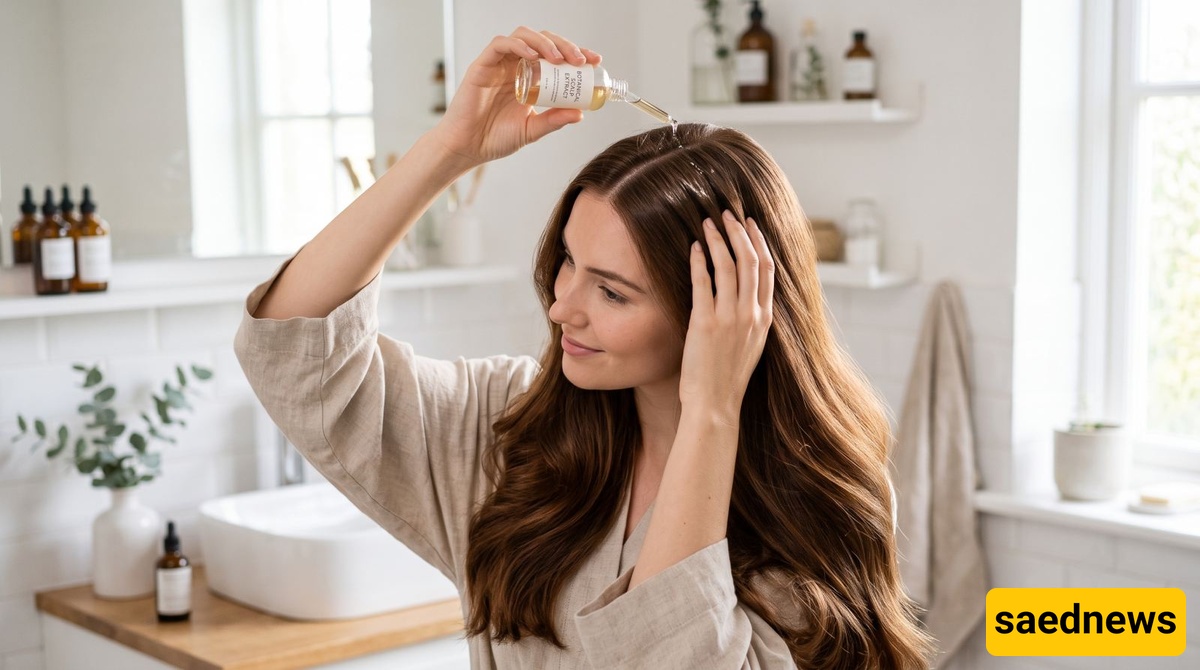
Using the right amount and applying the oil appropriately can help you get the most from it.
Place a small amount of persimmon oil in the palm of your hand.
Spread it between your hands and apply it gently to the scalp and hair lengths.
Massage the scalp with your fingertips for approximately 5–10 minutes.
Cover the hair with a shower cap or warm towel and leave the oil on for about 30 minutes to one hour.
Wash the hair thoroughly with a gentle shampoo.
Leaving oil on overnight is possible for some people, but it is not necessary and may cause buildup or scalp irritation in others.
Persimmon oil can potentially be combined with other commonly used hair oils, such as olive, coconut, argan, or castor oil. The ideal combination depends on your hair type and the result you want.
For fine or oily hair, lighter and smaller amounts are generally preferable. Thicker or very dry hair may tolerate richer treatments.
For normal, dry, or damaged hair, apply just a few drops to the mid-lengths and ends. This can help smooth the hair and reduce the appearance of dryness and split ends.
This approach can be especially useful for longer hair, where the ends tend to be older and more vulnerable to damage.
A small amount of oil can be used during a gentle scalp massage. Avoid aggressive rubbing, as excessive friction can irritate the scalp and contribute to hair breakage.
A few drops can be mixed into a conditioner or hair mask before application. Start with a small amount to determine how your hair responds.
Although plant-based oils are often well tolerated, natural does not automatically mean risk-free.
Patch test: Before applying the oil extensively, test a small amount on an inconspicuous area of skin and monitor it for signs of irritation or an allergic reaction.
Use in moderation: Applying too much oil can leave the hair greasy, cause buildup, or make fine hair appear flat.
Choose a quality product: Look for a reputable product with clear ingredient information and avoid oils containing unnecessary additives if you are specifically looking for a pure botanical oil.
Be cautious with scalp problems: If you have significant hair loss, persistent dandruff, scalp inflammation, sores, or other ongoing symptoms, consult a dermatologist. Hair loss can have many causes that require appropriate diagnosis and treatment.
Persimmon oil can be considered alongside popular botanical oils such as argan, coconut, and olive oil. Its appeal may lie in its relatively light feel and the naturally occurring fatty acids and antioxidant compounds associated with persimmon-derived ingredients.
However, there is no single “best” hair oil for everyone. Coconut oil, for example, has been studied for its ability to reduce protein loss from hair, while argan oil is widely used as a conditioning ingredient. Your choice should depend on your hair texture, scalp condition, styling habits, and personal preferences.
Persimmon oil can be an interesting natural addition to a hair-care routine, particularly for people looking for a botanical conditioner that can help improve softness, smoothness, and shine. Its fatty acids and antioxidant compounds may offer useful cosmetic benefits, while regular scalp massage can make an oil treatment a relaxing part of self-care.
At the same time, claims that persimmon oil directly prevents hair loss or dramatically accelerates hair growth should be treated cautiously because strong clinical evidence for these specific effects is limited.
Choose a high-quality product, use it in moderation, and pay attention to how your hair and scalp respond. With realistic expectations and consistent care, persimmon oil may become a useful part of a simple, nature-inspired hair-care routine.