SAEDNEWS: Skin aging is a complex process characterized by a thinning epidermis, reduced production of collagen and elastin, the appearance of age spots, dryness, and loss of skin firmness. This report reviews the most important skin changes that occur as we age.
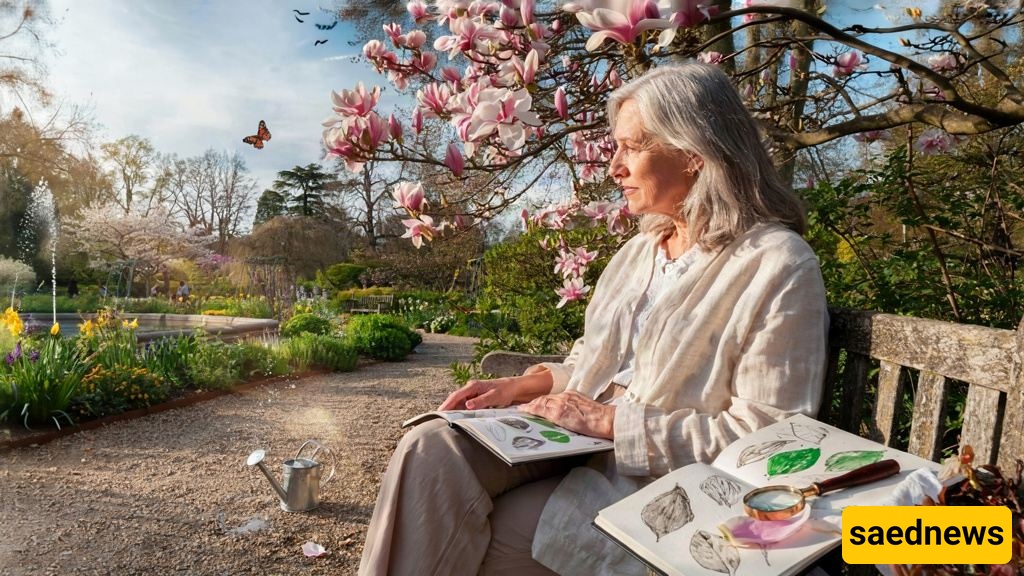
According to Saednews, The aging process is highly complex, and it is not possible to cover every change that occurs in the skin. However, some of the most important age-related changes include:
As we age, the epidermis—the outermost layer of the skin—gradually becomes thinner. This can increase the skin’s sensitivity and vulnerability, reduce its natural resistance to environmental damage, and lead to greater moisture loss through evaporation.
Collagen and elastin are two essential structural proteins responsible for maintaining the skin’s firmness and elasticity. Unfortunately, the production of these proteins decreases with age and is significantly reduced by the late 20s and early 30s. As a result, wrinkles gradually appear, while the skin becomes looser and more prone to sagging.
In addition, factors such as sun exposure, cigarette smoke, environmental pollution, and other external stressors can damage the collagen and elastin that remain in the skin, accelerating the aging process.
Age spots are among the most visible signs of aging, with long-term sun exposure being a major contributing factor. One of the well-known effects of UV radiation on the skin is the development of dark spots. At older ages, these spots—often referred to as age spots or sun spots—can develop as a result of years of exposure to ultraviolet radiation.
As we get older, the activity of the skin’s sebaceous glands decreases, making the skin more prone to dryness. Dry skin can also contribute to the visible signs of aging because fine lines and wrinkles tend to become more noticeable when the skin lacks moisture.
The hypodermis is the deepest layer of the skin and helps connect the skin to the underlying muscles and bones. With age, this layer gradually loses volume and becomes thinner. As a result, the skin has less structural support and becomes more susceptible to looseness and sagging.
At the same time, fat-producing cells become less capable of maintaining normal fat stores, causing the skin to lose some of its natural volume.
This change has another consequence. Fat tissue within the hypodermis acts as an insulating layer that helps prevent heat loss from the body. As this layer becomes thinner, the body’s ability to maintain its temperature may decrease, making it more susceptible to heat loss.
In addition to decreased sebaceous gland activity, the function of the sweat glands also declines with age, resulting in reduced sweating. Consequently, the body’s ability to regulate its temperature and eliminate certain substances through perspiration may become less efficient.
In general, cell division becomes slower and less efficient with age. This contributes to a slower process of skin repair and regeneration. In older adults, the skin’s ability to repair itself can be substantially reduced.