SAEDNEWS: An eyebrow transplant is not limited to the operating room or the surgeon’s expertise. Achieving natural-looking, long-lasting results also depends on using the right technique, following proper aftercare, maintaining a balanced diet, and adopting a healthy lifestyle.
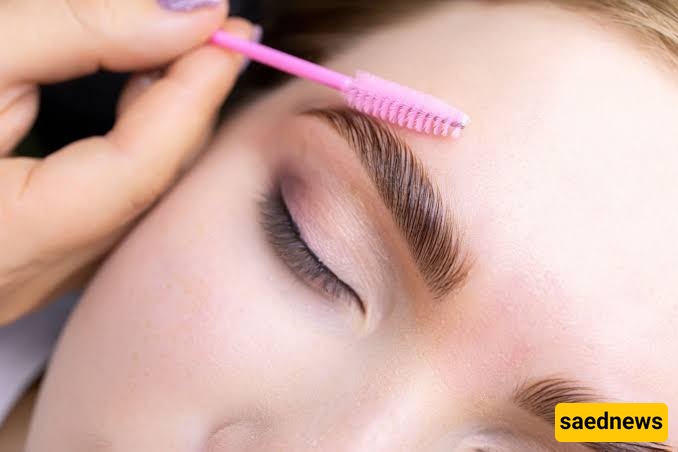
According to Saednews, Eyebrows frame the face and play an important role in its balance, character, and youthful appearance. For this reason, sparse, thin, or thinning eyebrows are not simply a cosmetic concern for many people; they can also affect confidence and social well-being. In recent years, eyebrow transplantation has become one of the most popular ways to restore eyebrow density, offering an appealing promise: natural-looking, long-lasting eyebrows.
But one important question concerns many people considering the procedure: How can you make an eyebrow transplant last? The truth is that long-term results depend on much more than the procedure itself. Choosing the right specialist, using an appropriate technique, following proper aftercare, and maintaining a healthy lifestyle all contribute to the final outcome.
Before discussing longevity, it helps to understand how the procedure works. During an eyebrow transplant, healthy hair follicles are typically harvested from the back of the scalp, known as the donor area. After preparation, the follicles are implanted into the eyebrow area at carefully selected angles and densities.
The direction of growth, angle of implantation, and spacing between grafts are crucial for achieving a natural appearance.
One important advantage is that follicles taken from the back of the scalp are generally more resistant to the hormone DHT, which is associated with hair loss. This is one reason transplanted follicles can remain viable for many years and, in many cases, permanently. However, resistant follicles do not mean that the transplanted eyebrows require no care. Overall health, postoperative care, and daily habits can all influence the quality and longevity of the result.
An eyebrow transplant requires an investment of time, money, and patience. If the results become unstable after a few months, the person may lose not only the financial investment but also some of the confidence gained from the procedure.
Long-lasting results matter for several reasons:
Stable appearance: Repeated corrections or additional procedures can make the eyebrow shape look less natural.
Time and cost: Every corrective procedure requires additional expense and recovery time.
Skin health: Repeated invasive procedures may place unnecessary stress on the delicate skin around the eyebrows.
Therefore, the goal should not simply be a successful transplant. The goal should be a natural result that remains stable over time.
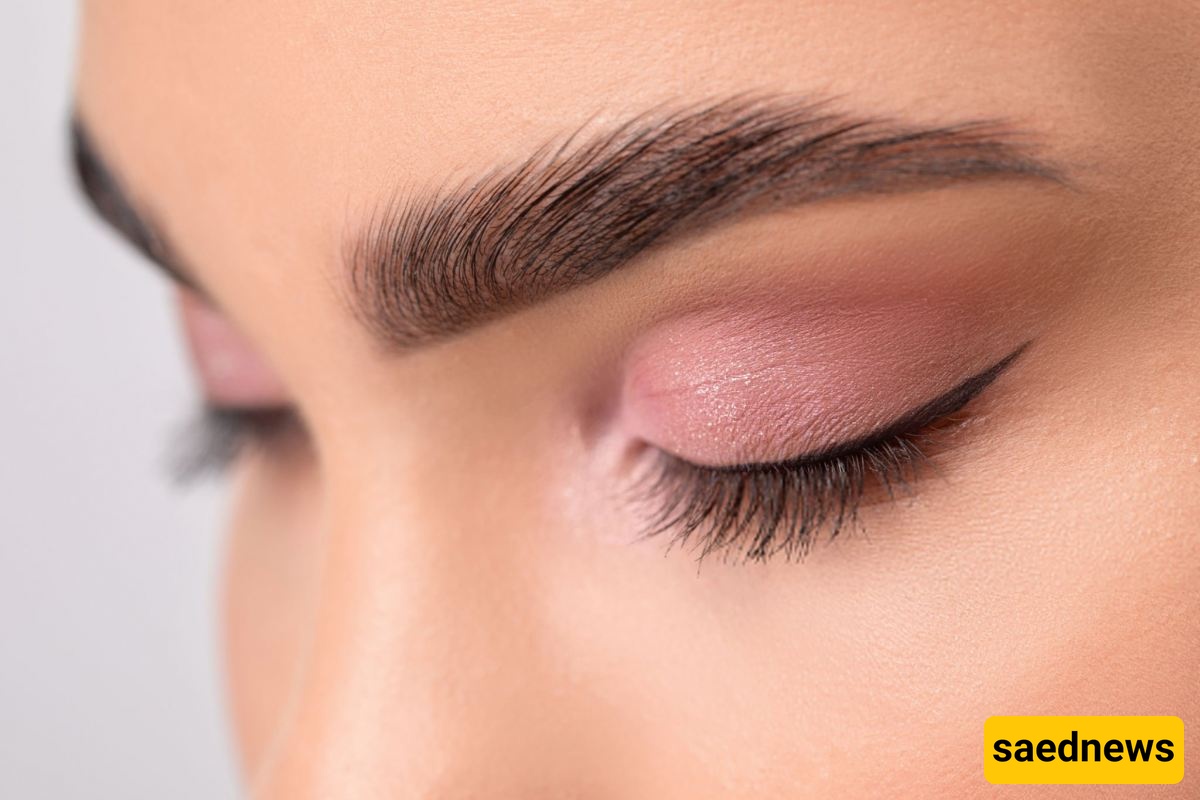
One of the most important factors is the skill of the surgeon. Proper graft extraction, preservation of follicle viability, appropriate storage, and precise implantation all require experience and attention to detail.
If follicles are damaged during harvesting or storage, they may fail to grow or may produce weaker results even when postoperative care is excellent.
For eyebrow transplantation, single-hair grafts are particularly important because natural eyebrow hairs are generally fine and grow individually. Using multi-hair grafts can create an overly dense or artificial appearance.
In some cases, selecting finer follicles from areas such as the lower scalp or around the ear may help produce a more natural-looking result.
Different techniques, including FUE, FIT, and DHI, may be used for eyebrow transplantation. Techniques that minimize the amount of time follicles remain outside the body may help preserve graft viability.
However, the name of the technique is not necessarily the most important factor. What matters is whether the chosen method is appropriate for the patient and performed in a way that minimizes damage to the follicles.
The first couple of weeks after transplantation are particularly sensitive. During this period, the grafts are becoming established in the skin, and excessive pressure, scratching, or accidental trauma can interfere with healing.
Following the surgeon's instructions regarding washing, sleeping position, physical activity, and protecting the transplanted area can play an important role in achieving the best possible long-term result.
Conditions such as thyroid disorders, iron deficiency, alopecia areata, and certain autoimmune diseases can affect hair growth.
If an underlying condition is left untreated, it may also affect the appearance of the eyebrows, including both existing and transplanted hairs. A medical evaluation before transplantation can therefore be valuable, particularly for people experiencing unexplained hair loss.
A balanced diet containing adequate protein, iron, zinc, biotin, and B vitamins supports normal hair growth. On the other hand, chronic sleep deprivation, severe stress, and restrictive or unhealthy diets may interfere with the normal hair-growth cycle.
Nicotine constricts blood vessels and can reduce blood flow to the skin. Poor circulation may negatively affect the environment needed for graft healing and growth.
People undergoing eyebrow transplantation are generally advised to stop smoking around the procedure and follow their surgeon's specific recommendations regarding smoking and alcohol.
Many people are eager to return to eyebrow pencils, dyes, tattoos, or microblading after transplantation. Using cosmetic or chemical products too soon, however, may irritate the healing skin or interfere with recovery.
It is generally advisable to avoid heavy cosmetic or chemical products around the transplanted area until the skin and grafts have sufficiently healed and the surgeon has approved their use.
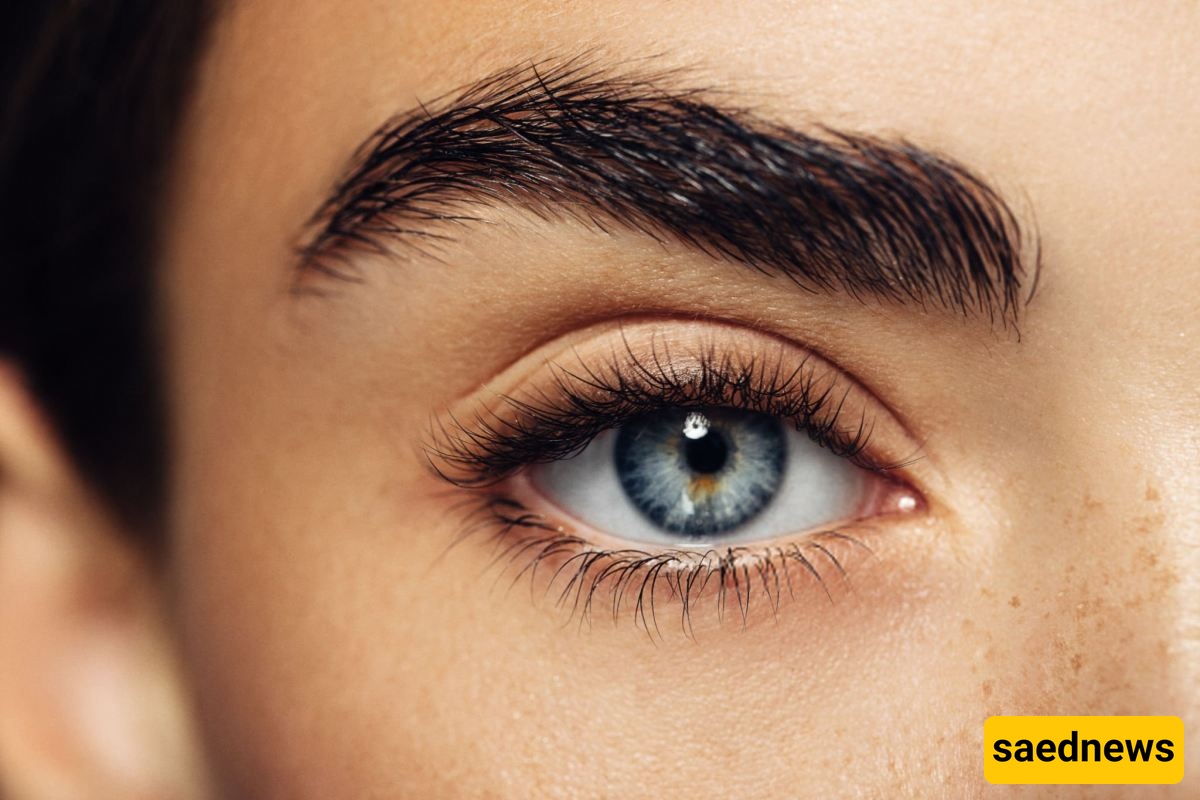
Avoid vigorous washing, unnecessary contact with the transplanted area, and pressure while sleeping. Follow the surgeon's instructions carefully.
Gentle washing may usually be introduced according to medical instructions. Strenuous exercise, swimming pools, and saunas may need to be avoided during the early healing period.
Temporary shedding of transplanted hairs can occur. This is commonly part of the normal growth cycle and does not necessarily mean that the transplant has failed.
New hair growth may gradually become noticeable, and the shape of the eyebrow begins to develop more clearly.
The final result becomes more established, allowing the surgeon to evaluate density, growth, symmetry, and overall longevity.
Certain habits may negatively affect transplanted or existing eyebrow hairs:
Plucking, waxing, or repeatedly removing eyebrow hairs
Using hair-removal lasers around the eyebrows
Frequent rubbing, scratching, or pressing on the area
Shaving carelessly with an unprotected sharp razor
Prolonged sun exposure without adequate protection
Applying strong chemical products or permanent dyes too early
Because transplanted follicles are still part of living skin tissue, protecting them from unnecessary trauma is an important part of long-term care.
Hair follicles are living structures that require adequate nutrients to function normally. Protein, iron, zinc, biotin, vitamin D, and omega-3 fatty acids are among the nutrients commonly associated with healthy hair growth.
However, supplements should not automatically be taken simply because someone has undergone a transplant. If a nutritional deficiency is suspected, blood testing and medical advice can help determine whether supplementation is actually necessary. Excessive intake of certain vitamins and minerals can also be harmful.
If eyebrow density appears to decrease after the first year, the underlying cause should be evaluated before assuming that the transplanted follicles have failed.
The change may be related to natural eyebrow hair loss, hormonal or medical factors, or another condition rather than loss of the transplanted grafts themselves.
Depending on the cause, a physician may recommend medical treatment, platelet-rich plasma (PRP), or, in selected cases, a limited corrective transplant. Targeted correction can restore density when appropriate, but repeated procedures should not be viewed as a substitute for proper diagnosis and long-term care.
“An eyebrow transplant is only temporary.”
Not necessarily. When healthy, suitable grafts are properly transplanted, the results can last for many years and may be permanent.
“The more grafts, the better.”
Not always. Excessive density can make the eyebrows look unnatural and may create unnecessary stress on the skin.
“Once the transplant is done, no further care is necessary.”
Proper care remains important. The procedure is only one part of achieving a durable and natural-looking result.
The longevity of an eyebrow transplant is not a matter of chance. It is the result of a series of informed decisions. Choosing an experienced surgeon, selecting appropriate grafts, using a suitable technique, protecting the transplanted area during recovery, and maintaining healthy habits can all contribute to a lasting result.
If you are considering an eyebrow transplant, research your options carefully, consult a qualified medical professional, and maintain realistic expectations. An eyebrow transplant is the beginning of the restoration process, not the end. With appropriate care, many people can enjoy fuller, balanced, and natural-looking eyebrows for years.
Is an eyebrow transplant permanent?
In many cases, transplanted follicles can provide long-lasting or permanent growth because donor follicles are generally more resistant to the mechanisms responsible for hair loss. However, individual results vary, and overall health and aftercare can influence the outcome.
When can I start wearing makeup after an eyebrow transplant?
Many people can resume makeup after approximately two to four weeks, but the exact timing should be determined by the surgeon based on healing.
Can stress affect eyebrow transplant results?
Yes. Chronic stress can disrupt the normal hair-growth cycle and may contribute to increased shedding.
Does smoking affect eyebrow transplantation?
Yes. Smoking can reduce blood flow and potentially interfere with the healing environment around newly transplanted follicles. Following the surgeon's recommendations about smoking before and after the procedure is important.