SAEDNEWS: Depersonalization and derealization are dissociative experiences involving detachment from oneself or the surrounding world. They may be linked to stress, anxiety, or trauma and can affect daily life.
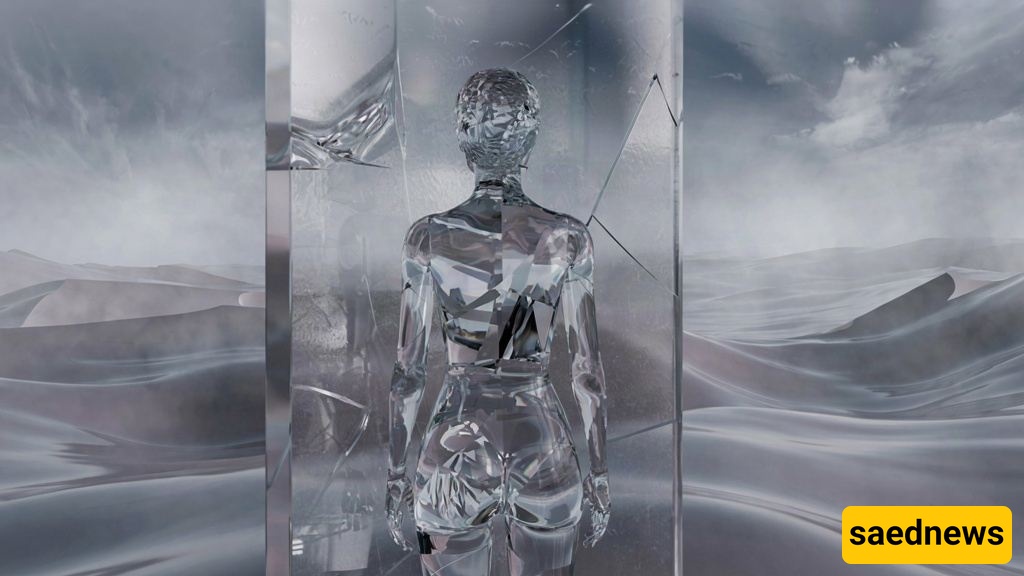
According to Saednews, Depersonalization disorder is considered a mental health and dissociative condition. It can cause a person to feel detached from their own body, thoughts, emotions, or sense of self. They may have difficulty recognizing or describing their emotional experiences. The development and severity of depersonalization can be influenced by various environmental, psychological, and biological factors. Symptoms may become more intense during periods of significant stress, anxiety, or emotional strain.
Depersonalization is a psychological experience involving a sense of detachment from oneself. A person may feel as though they are observing their body, thoughts, or actions from outside themselves, rather than experiencing them normally. Some people describe the experience as feeling disconnected from their body, mind, emotions, or senses.
During an episode, a person may feel that their movements or speech are happening automatically or that their body feels unfamiliar or distorted. They may also experience emotional numbness or find it difficult to connect their feelings with personal memories and experiences.
Common experiences associated with depersonalization may include:
Feeling detached from one's body or mind
Feeling as though one's actions are happening automatically
Difficulty identifying or describing emotions
Feeling emotionally numb or disconnected
A sense that parts of the body look, feel, or seem different
Difficulty connecting emotions with memories
Feeling disconnected from physical sensations
A sensation of being separated from oneself or observing oneself from a distance
The intensity of these experiences can vary and may increase during periods of stress or anxiety.
Derealization is a mental health experience characterized by a feeling that the surrounding environment is unreal, unfamiliar, distant, or somehow altered. Someone experiencing derealization may feel as though they are viewing the world from far away or living inside a dream.
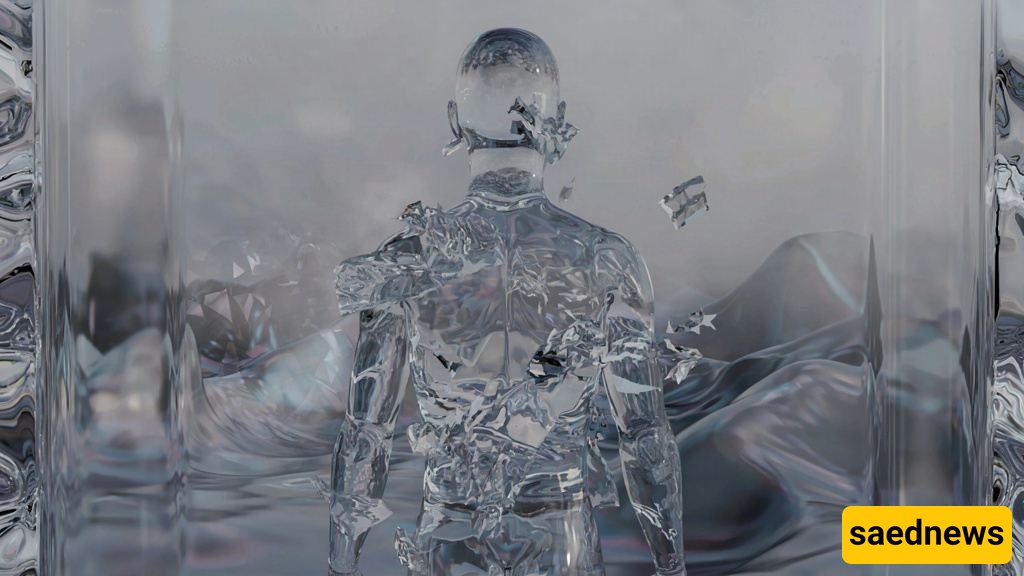
The surroundings may appear:
Unreal or dreamlike
Hazy or visually distorted
Artificial or unfamiliar
Distant or emotionally disconnected
As though they are being viewed through glass or a barrier
Although the person may recognize that the environment is objectively real, it can nevertheless feel unreal. This difference between knowing something is real and feeling that it is not real can be particularly distressing.
Derealization can occur alongside conditions such as anxiety disorders, depression, post-traumatic stress disorder (PTSD), and other dissociative conditions. It may also be associated with severe stress, traumatic experiences, substance use, or other factors.
Depersonalization and derealization frequently occur together. When persistent or severe, these experiences can interfere with everyday activities, relationships, work, and overall well-being.
One commonly reported feature of depersonalization is emotional detachment. A person may have difficulty recognizing, experiencing, or putting their emotions into words.
Other possible symptoms include:
Feeling disconnected from the body, thoughts, or senses
Feeling detached from one's emotions or memories
Difficulty relating emotional experiences to personal memories
Feeling as though one's speech or movements are occurring automatically
Unusual perceptions of the size, appearance, or condition of one's body or limbs
Physical numbness or a sensation of being wrapped in cotton
Feeling as though one is outside the body or observing oneself from a distance
Depersonalization disorder and dissociative identity disorder (DID) are both associated with dissociative experiences, but they are not the same condition.
Dissociative identity disorder involves the presence of two or more distinct identity states or personality states within the same person. Different identity states may be associated with different patterns of behavior, memories, emotions, or perceptions.
Depersonalization disorder, by contrast, primarily involves persistent or recurrent experiences of detachment from oneself. A person may feel separated from their body, thoughts, emotions, or sense of identity while still recognizing that these experiences are unusual.
In simple terms, dissociative identity disorder centers on distinct identity states, whereas depersonalization centers on a sense of detachment or unreality involving oneself.